
The body contouring equipment market offers more options than ever in 2026 — and more opportunity for expensive mistakes. Clinic owners who choose based on marketing claims rather than clinical fit routinely find themselves with a device that either underserves their client demographic or fails to generate the ROI their business model requires. This guide cuts through the noise with a structured decision framework: compare all five core non-invasive body contouring technologies on the dimensions that actually matter for your clinic, then select the configuration that matches your budget, client profile, and revenue goals.
5 Facts That Frame This Decision
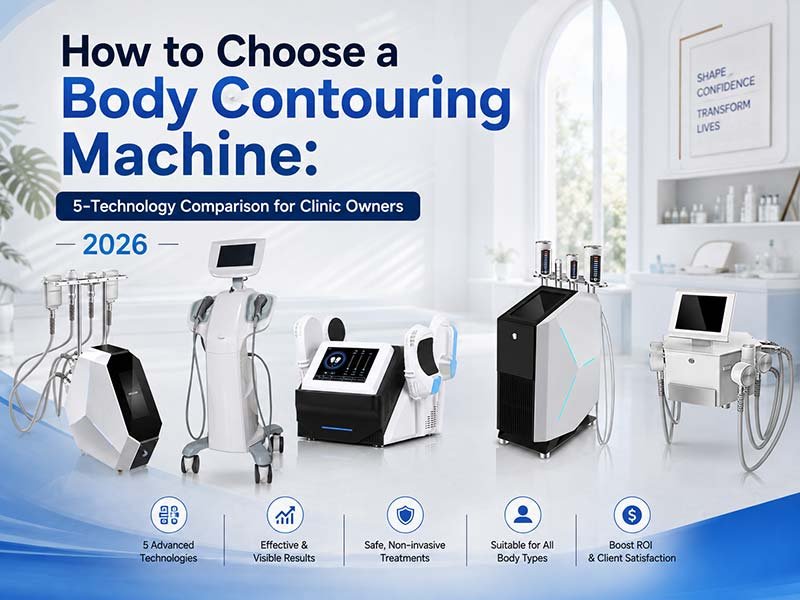
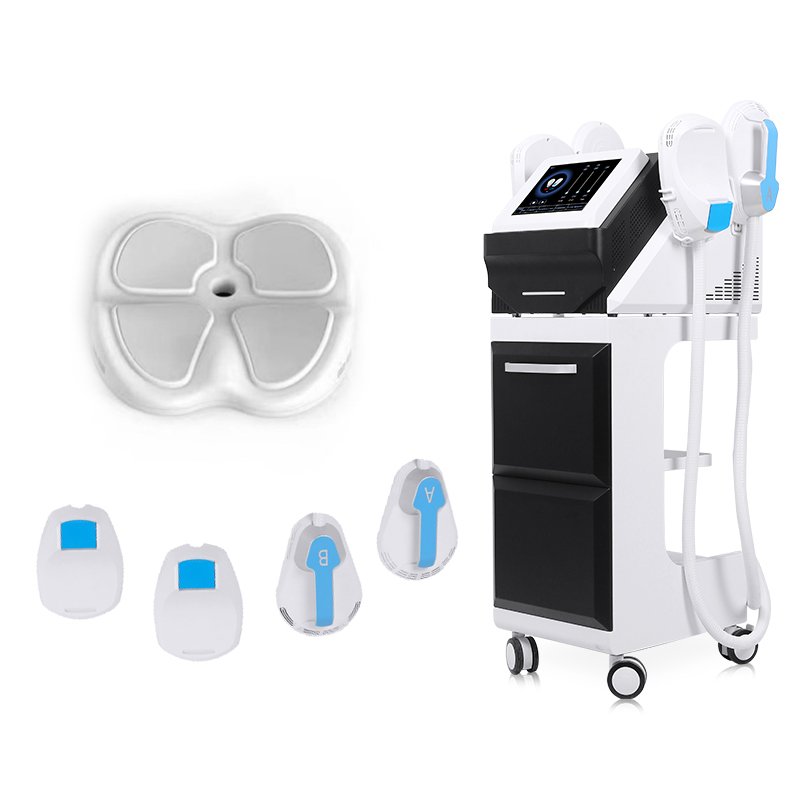
- The 5 core clinic technologies are: Cryoskin (thermal shock fat reduction + skin tightening), HIFU (focused ultrasound lifting), HIFEM/EMS (electromagnetic muscle sculpting), Cryolipolysis (static fat freezing), and Compressive Microvibration (inner ball roller lymphatic drainage)
- Factory-direct equipment costs range from $2,500 (entry inner ball roller) to $15,000+ (clinical HIFEM system) — all five categories offer zero per-session consumable cost on non-licensed factory-direct units
- Break-even at standard EU/NA pricing ranges from 3 days (HIFEM at premium pricing) to 30 days (compressive microvibration at entry pricing)
- No single technology covers all client goals — clinics serving diverse demographics should plan for a 2-device minimum within 12 months
- The highest-margin combination in 2026 is Cryoskin + HIFU: complementary mechanisms, zero consumables, one day’s sessions breaks even each device within the first month
“Already know the technologies? See our body contouring machine guide for service menu design and ROI modelling.”
Why "Which Is Best?" Is the Wrong Question
Every sales rep will tell you their technology is the best. The clinically and financially useful question is: best for which client, at which price point, in which clinic context?
The five technologies in this guide are not competitors in the sense that one makes the others obsolete. They address different tissue depths, different physiological mechanisms, and different client goals. The decision framework below treats each technology as a tool — and evaluates which tools belong in your clinic’s toolkit based on four variables: your starting budget, your primary client demographic, your target treatment outcomes, and your operational capacity.
The 5-Technology Comparison Matrix
| Technology | Mechanism | Primary Target | Best Application | Zero Consumable? | Factory-Direct Cost | Session Pricing (EU/NA) | Break-Even* |
|---|---|---|---|---|---|---|---|
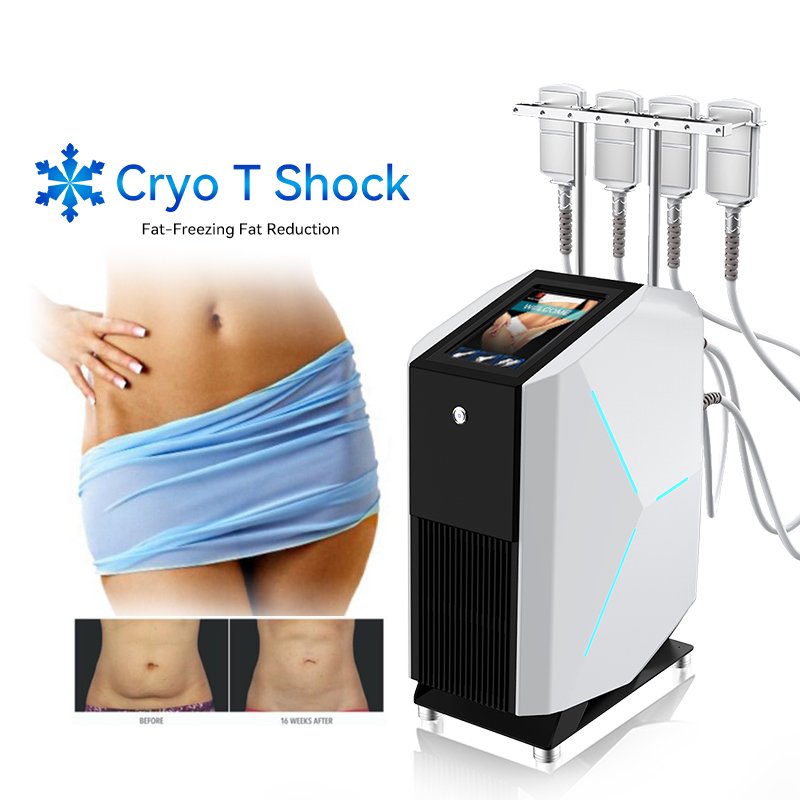
| Cryoskin Thermal Shock | Heat + cold wand (−10°C to 43°C) | Fat cells + dermis | Fat reduction, skin tightening, facial lifting | ✅ | $3,500–$6,000 | $150–$250 | 14–20 days |
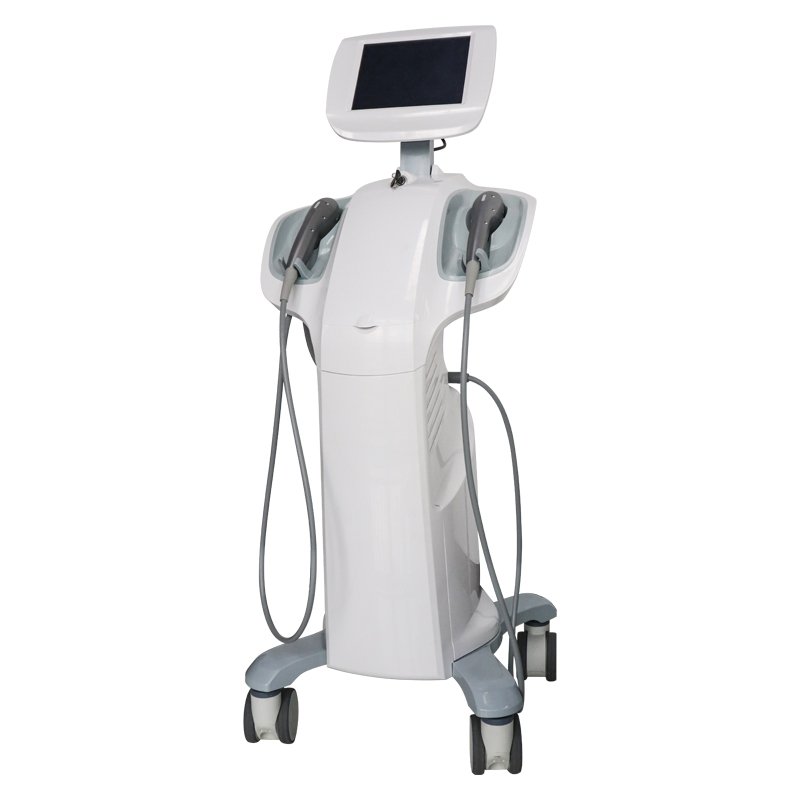
| HIFU 7D | Focused ultrasound (1.5–9mm depth) | SMAS + dermis + fat | Face lifting, body firming | ✅ | $4,000–$8,000 | $300–$600 | 7–14 days |
| HIFEM / EMS | Electromagnetic muscle stimulation | Muscle + fat | Muscle definition, fat reduction | ✅ | $6,000–$15,000 | $300–$500 | 3–8 days |
| Cryolipolysis | Static vacuum fat freezing (−11°C) | Subcutaneous fat | Localised fat reduction | ✅† | $2,500–$5,000 | $200–$400/zone | 5–12 days |
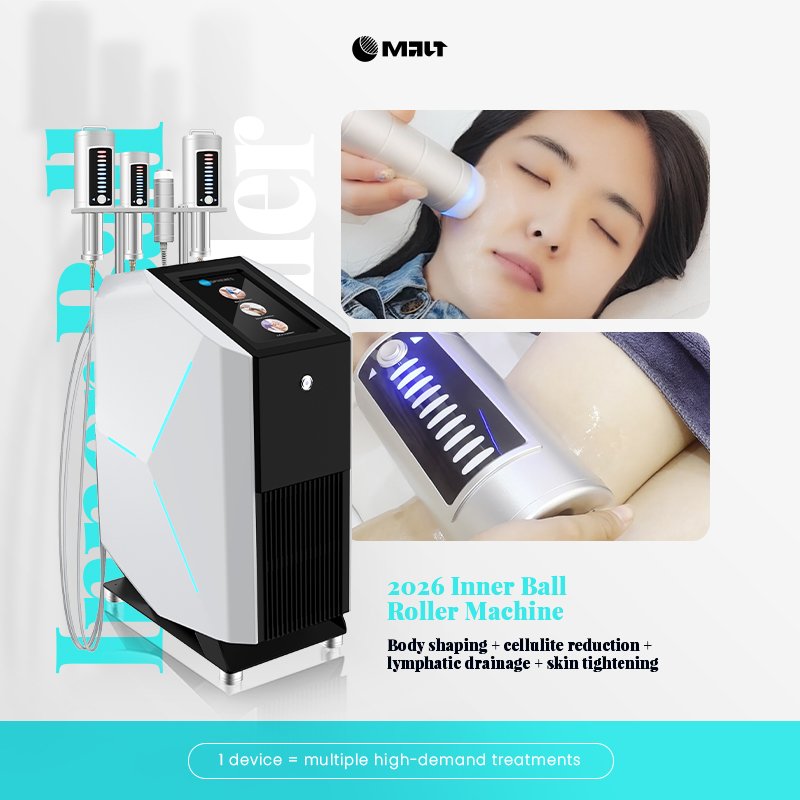
| Compressive Microvibration | 360° rotating roller pressure | Lymph + fascia | Cellulite, drainage, maintenance | ✅ | $2,500–$5,000 | $80–$150 | 20–35 days |
*Break-even calculated at 5 sessions/day on mid-range equipment cost. †Factory-direct units only. Branded licensed systems carry $150–$300 per-session applicator costs.
Technology-by-Technology: When to Choose Each
Cryoskin Thermal Shock — Best All-Round Entry Device
Cryoskin’s combination of fat reduction, skin tightening, and facial protocol capability from a single device makes it the most versatile single-machine investment for a new clinic. The zero-consumable cost structure and multi-mode capability (slimming, toning, lifting, facial) provide the fastest path to a complete service menu without additional hardware.
Choose Cryoskin if: You are launching a new clinic, entering the fat reduction market without cryolipolysis licensing exposure, or need a device that can serve both body and facial clients. Full guide: Cryoskin machine clinic sourcing guide.
HIFU 7D — Premium Facial and Body Lifting
HIFU addresses tissue depths that no surface-based technology can reach — from 1.5mm epidermis down to 4.5mm SMAS layer for facial lifting, and 6–9mm subcutaneous fat for body contouring. Annual-frequency treatment cycles create predictable repeat bookings and support premium pricing ($350–$600 per session) that few other modalities command.
Choose HIFU if: Your client demographic is 35–60 years old, has skin laxity concerns alongside body goals, and is willing to pay for premium non-surgical lifting. Full guide: HIFU machine for clinics guide.
HIFEM / EMS Body Sculpting — Highest Per-Session Revenue
HIFEM generates the highest session price point of any non-invasive body contouring technology — $300–$500 per 30-minute session, driven by the demonstrable muscle definition outcomes that fitness-oriented clients are willing to pay for. The client who wants visible abs, lifted glutes, or defined arms is a distinct demographic from the fat-reduction client — and HIFEM serves them exclusively.
Choose HIFEM if: You are in a market with a fitness-conscious client base (urban gym districts, sports wellness centres, premium health clubs), and you can operate at 6–8 sessions per day to maximise the higher equipment investment. Full guide: EMS body sculpting machine clinic guide.
Cryolipolysis — Established Brand Recognition, High Localised Demand
Cryolipolysis remains the most brand-recognised non-invasive fat reduction modality in the US and UK markets — clients search for “fat freezing” directly, which reduces your marketing cost of client acquisition. Factory-direct cryolipolysis units (no applicator licensing) provide the established technology with zero per-session consumable overhead, making the economics substantially better than branded licensed systems.
Choose Cryolipolysis if: Your target market actively searches for fat freezing by name, you have clients with pinchable supra-fascial fat deposits, and you want to leverage established brand awareness without paying licensing fees.
Compressive Microvibration (Inner Ball Roller) — Maintenance and Lymphatic Revenue
The inner ball roller machine is the lowest-margin individual device in this comparison — but its role in a multi-technology clinic is as a high-frequency maintenance revenue generator. Clients who complete a Cryoskin or cryolipolysis course are the natural audience for monthly compressive microvibration maintenance sessions. The device also opens a facial and lymphatic drainage service line with zero additional hardware cost.
Choose Compressive Microvibration if: You already have a primary slimming device and want to extend client lifetime value through maintenance protocols, or you operate in a wellness/spa context where lymphatic drainage and cellulite reduction are primary service offerings. Full guide: Inner ball roller machine guide.
The Clinic Selection Decision Framework
By Budget
| Starting Budget | Recommended Configuration | Rationale |
|---|---|---|
| Under $8,000 | Cryoskin OR Cryolipolysis (single device) | Zero consumables, fastest break-even, complete service menu from one machine |
| $8,000–$18,000 | Cryoskin + Compressive Microvibration | Active slimming + maintenance retention programme; two revenue streams |
| $18,000–$35,000 | Cryoskin + HIFU | Best complementary combination; covers fat reduction, skin lifting, and facial |
| $35,000+ | HIFEM + Cryoskin + HIFU | Full-spectrum: muscle sculpting + fat reduction + lifting |
By Primary Client Demographic
| Client Profile | Priority Technology | Secondary |
|---|---|---|
| Post-pregnancy body recovery (30–45 F) | Cryoskin slimming + toning | Compressive microvibration |
| Anti-ageing facial clients (40–60 F) | HIFU lifting | Cryoskin facial |
| Fitness-oriented body sculpting (25–45 M/F) | HIFEM / EMS | Cryoskin toning |
| General weight management / inch loss | Cryolipolysis | Cryoskin |
| Wellness / detox / lymphatic health | Compressive microvibration | Cryoskin toning |
| Mixed demographic (all of the above) | Cryoskin as anchor + HIFU as premium | Add HIFEM at scale |
By Primary Treatment Goal
| Treatment Goal | Best Technology | Why |
|---|---|---|
| Permanent localised fat reduction | Cryoskin or Cryolipolysis | Both trigger fat cell apoptosis via different mechanisms |
| Non-surgical face lifting | HIFU 7D | Only technology reaching SMAS layer non-invasively |
| Muscle definition alongside fat reduction | HIFEM / EMS | Supramaximal muscle contractions not achievable by other modalities |
| Cellulite reduction and skin smoothing | Compressive microvibration | Fibrous septa disruption and lymphatic stimulation |
| Full-body skin tightening (not just face) | HIFU body cartridges + Cryoskin | Collagen stimulation at depth + thermal shock at surface |
5 Questions to Ask Before Finalising Your Equipment Choice
1. What is the primary reason clients will book my clinic? If the answer is fat reduction, your anchor technology is Cryoskin or cryolipolysis. If it is lifting and anti-ageing, HIFU is the anchor. If it is muscle definition and performance, HIFEM leads. Start with the technology that matches your strongest existing client demand — not the one with the widest theoretical application.
2. Can I run 5+ sessions per day with this technology? Break-even projections assume daily utilisation. A technology that requires highly specialised operator technique (HIFEM, focused HIFU) may limit your session capacity in the first 3 months while staff training catches up. Cryoskin and compressive microvibration have shorter learning curves, which means faster productive utilisation from launch.
3. Does this technology create natural repeat bookings? HIFU drives annual repeat bookings. Cryoskin drives 5–10 session packages. HIFEM drives 4-session initial courses plus maintenance. Compressive microvibration drives monthly maintenance. Cryolipolysis drives the fewest repeat visits (1–2 sessions per area). Factor repeat booking frequency into your revenue model, not just session price.
4. What is my 12-month expansion plan? The first device you buy shapes the second. Cryoskin → HIFU is the most common and complementary progression (active fat + lifting). Cryolipolysis → Compressive microvibration is a logical retention add-on. HIFEM → Cryoskin covers the demographic the HIFEM client introduces via referral (their less fitness-focused partner or friend). Plan your expansion sequence before you purchase the first device.
5. Is the manufacturer able to support me after the sale? The most technically appropriate device from an unsupported manufacturer will generate more downtime and training cost than a slightly less optimal device from a manufacturer with strong after-sales infrastructure. Confirm: 24/7 technical support, spare parts lead time, operator training documentation, and warranty terms before signing any purchase order.
Contact the MNLT team for a personalised configuration recommendation based on your clinic’s specific profile, budget, and market.
FAQ: How to Choose a Body Contouring Machine
Which body contouring machine has the best ROI for a new clinic?
For a new clinic prioritising fastest break-even, Cryoskin thermal shock machines consistently deliver the best combination of low acquisition cost (\$3,500–\$6,000 factory-direct), zero per-session consumables, and multi-mode capability (slimming, toning, lifting, facial) from a single device. At 5 sessions per day at \$160 average, the device typically breaks even within 14–20 business days. HIFEM systems generate higher gross per session (\$300–\$500) but require higher upfront investment and a fitness-oriented client base to justify the cost.
Can I combine multiple body contouring technologies in the same session?
Some combinations are compatible in the same session or on the same day; others are not. Cryoskin followed immediately by compressive microvibration (inner ball roller) is a well-established same-session protocol — the thermal shock triggers fat apoptosis, and the subsequent lymphatic drainage session accelerates clearance. HIFU and Cryoskin are typically scheduled on separate days. HIFEM and Cryoskin are best sequenced across a course rather than combined in a single session. Always follow the equipment manufacturer's protocol documentation for combination guidance.
What is the difference between cryoskin and cryolipolysis machines?
Cryoskin uses a manual wand to deliver alternating heat (up to 43°C) and cold (down to −10°C) — a thermal shock mechanism that triggers fat cell apoptosis while stimulating collagen. Cryolipolysis uses a static vacuum suction applicator that freezes a trapped pocket of fat at −11°C for 35–60 minutes. The key clinical differences: Cryoskin has zero consumable cost and can treat the face; cryolipolysis requires suctionable tissue and carries documented Paradoxical Adipose Hyperplasia (PAH) risk with vacuum-based systems. On factory-direct non-licensed cryolipolysis units, there is no per-session applicator fee.
How many body contouring machines do I need to run a profitable clinic?
One machine is sufficient to launch a profitable body contouring service — provided it supports multiple treatment modes. The business case for a second machine arises when: (a) your first machine has consistent full-day utilisation with a client waitlist, or (b) you want to serve a complementary client goal that your current device cannot address. The most natural first expansion is from a fat reduction device (Cryoskin or cryolipolysis) to a lifting device (HIFU), as the client base for both overlaps significantly in the 35–55 demographic.
Do all body contouring machines require medical certification to operate?
Requirements vary by country and device category. In most EU markets and large parts of Asia, non-medical practitioners can legally operate non-invasive body contouring machines (Cryoskin, compressive microvibration, HIFU for aesthetics, HIFEM) without a medical licence, provided the device carries CE/FDA certification and the operator has completed manufacturer training. Medical licensing requirements generally apply only to devices categorised as medical-grade treatment for specific clinical indications. Always verify your jurisdiction's specific requirements with a local regulatory consultant before purchasing equipment.
Reviewed by David Ma
CTO & Chief Engineer, MNLT Laser (Shandong Moonlight Electronics Tech Co., Ltd.) — 19 years in aesthetic device manufacturing.