
4 Numbers Clinic Owners Need to Know
4 handles (3 roller + 1 EMS) enable simultaneous multi-zone treatment, reducing per-session time by an estimated 30–40% vs. single-handle systems
Clients typically see visible improvements in skin texture and circumference after 3–5 sessions, with optimal contouring results emerging after 8–12 sessions
Sessions can be priced at $80–$200 per treatment in EU and North American markets; a full 10-session package generates $800–$2,000 per client
Certified under FDA, CE, ISO 13485, MDR, ROHS, and ENC — suitable for clinical deployment in regulated markets across 120+ countries
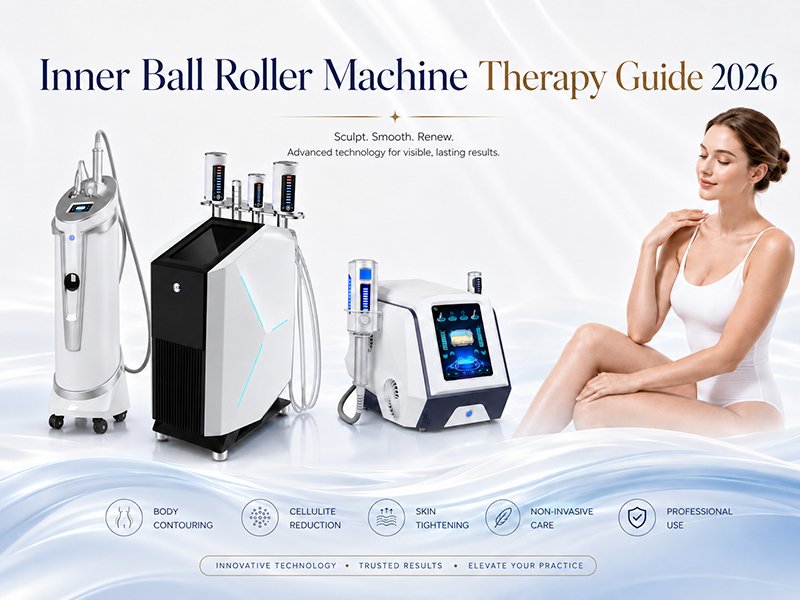
An inner ball roller machine is a professional body contouring device that uses compressive microvibration technology — rhythmic mechanical pressure delivered through 360° rotating silicone spheres — to support lymphatic drainage, reduce the visible appearance of cellulite, and promote skin firmness. Classified as a compressive microvibration machine, it operates entirely without needles, heat, or chemical agents. The MNLT system integrates 3 dedicated roller handles and 1 EMS handle into a single clinic-ready platform, enabling simultaneous multi-zone treatment of both body and facial areas without additional equipment investment.
What Is Compressive Microvibration and Why Does It Work?
The foundational mechanism behind every inner ball roller machine is compressive microvibration — the application of rhythmic, pulsating mechanical pressure at a controlled frequency through spherical rollers in contact with the skin.
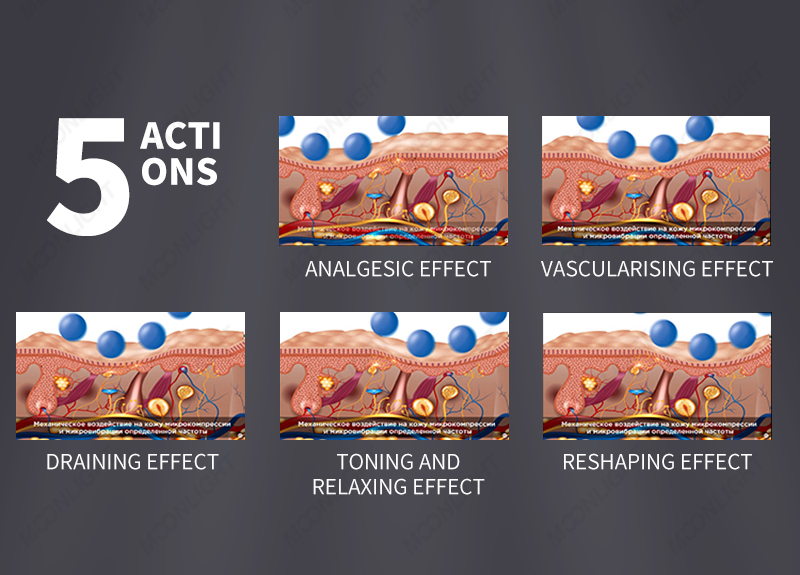
Unlike static massage or manual lymphatic drainage (MLD), compressive microvibration delivers pressure in a reproducible, consistent pattern that the human hand cannot replicate in extended clinical sessions. Each 360° rotation of the silicone roller drum creates a wave of compression and release that travels through the superficial fascia into the subcutaneous tissue layer, stimulating several simultaneous physiological responses:
1.Lymphatic vessel activation
Rhythmic compression directly stimulates the lymphangions (the contractile units of lymphatic vessels), encouraging active fluid movement toward regional lymph nodes. This effect is particularly relevant for clients with subcutaneous oedema, post-surgical swelling, or lipedema.
2.Fibroblast stimulation
Mechanical pressure on connective tissue activates fibroblasts, the cells responsible for collagen and elastin synthesis. Regular sessions support gradual improvement in skin elasticity — the mechanism underlying the skin-tightening effect that clients and clinics observe over a treatment course.
3.Microcirculatory improvement
A 2022 study published in PMC / NCBI (PMC8950355) demonstrated that vibration treatment applied to cellulite-affected skin areas produced measurable improvements in microcirculation, with results sustained across repeated sessions without observed habituation — supporting the use of compressive microvibration as a protocol suitable for ongoing maintenance.
4.Septal remodelling
In cellulitic tissue, fibrous septa trap fat lobules in a fixed pattern that creates the characteristic dimpled appearance. Sustained compressive microvibration progressively disrupts these septa, allowing the subcutaneous fat to redistribute and the skin surface to smooth.
A 2018 randomized controlled trial published on PubMed (PMID: 29847188) found that low-frequency vibrotherapy combined with manual lymphatic drainage produced significantly greater reductions in limb circumference in lipedema patients compared to MLD alone — providing direct clinical evidence for mechanical vibration as an active enhancer of lymphatic function rather than a passive support modality.
MNLT Inner Ball Roller Machine — Technical Specifications
All specifications below are sourced from MNLT’s production-ready system as listed on the official product page.
| Parameter | MNLT Specification |
|---|---|
| Handle Count | 3 roller handles + 1 EMS handle |
| Rotation Mechanism | 360° intelligent rotating drum |
| Roller Material | Medical-grade silicone spheres |
| Direction Control | One-key forward / reverse switch |
| Pressure Monitoring | Real-time rear-panel sensor display |
| EMS Mode | Electrical muscle stimulation handle (separate) |
| Treatment Areas | Face, neck, arms, abdomen, thighs, glutes, back |
| Simultaneous Zones | Up to 3 body zones (3 roller handles active) |
| Certifications | FDA, CE, ISO 13485, MDR, ROHS, ENC |
| Customization | OEM/ODM: color, logo, interface language |
The Real-Time Pressure Sensor: Why It Matters Clinically
One of the most significant differentiating features of the MNLT system is the integrated rear-panel pressure sensor. In practice, operator fatigue and inconsistent manual pressure are the primary sources of variable treatment outcomes in compressive body therapy. The real-time pressure display allows the operator to:
Monitor compression level per treatment zone
Adjust mid-session without interrupting the protocol
Document standardized pressure settings in client records for reproducible results across visits
Prevent overpressure on sensitive areas such as the face, inner arm, and décolletage
This is a clinical-grade safety feature that distinguishes the MNLT platform from basic roller machines lacking feedback systems.


Treatment Protocols — Body and Facial Applications
Body Contouring Protocol
The standard clinic protocol for inner ball roller body treatment follows a structured sequence:
Pre-treatment: Apply a thin layer of conductive gel or massage oil to the treatment area. Power on the system and select the appropriate rotation speed based on the target zone and client sensitivity.
Treatment sequence:
Begin with the largest roller handle on high-volume areas (abdomen, thighs, glutes) — 8–12 minutes per zone
Switch direction (forward/reverse) every 3–4 passes to ensure bidirectional lymphatic stimulation
Transition to smaller areas (arms, back) — 5–8 minutes per zone
Conclude with the EMS handle for targeted muscle toning, if included in the session protocol — 10 minutes
Session duration: 40–60 minutes for a full-body protocol; 25–35 minutes for a targeted zone session.
Recommended frequency: 2 sessions per week for the first 6 weeks; monthly maintenance thereafter.
Inner Ball Roller Facial Protocol
The dedicated facial roller handle operates at a lighter pressure calibration, appropriate for periorbital tissue, jaw line, and forehead. A typical inner ball roller facial session:
- Duration: 20–30 minutes
- Sequence: neck → jaw line → cheeks → forehead → eye contour
- Key benefit: stimulates collagen synthesis, supports lymphatic drainage from the facial tissue, and improves skin radiance without injectables or downtime
This protocol positions the inner ball roller as a non-invasive facial device — a distinct revenue stream from the body treatment offering.
Inner Ball Roller vs. Manual Lymphatic Drainage — Why Clinics Are Switching
Manual lymphatic drainage (MLD) is a gold-standard therapy with decades of clinical use. However, for aesthetic clinics and wellness spas evaluating equipment investment, it presents three structural limitations:
| Factor | Manual LDM | Inner Ball Roller Machine |
|---|---|---|
| Therapist Dependency | High (requires certified practitioners) | Low (after equipment training) |
| Session Consistency | Variable by operator | Reproducible via pressure sensor |
| Scalable Throughput | 1 therapist : 1 client | 1 operator can manage multi-handle system |
| Operator Fatigue | Significant in high-volume clinics | Minimal |
| Service Pricing | $80–$150 (MLD premium) | $80–$200 (device-assisted premium) |
| Multi-Zone Simultaneous | Not possible | 3 zones simultaneously |
For a clinic running 4–6 body contouring sessions per day, the operational efficiency gain from a 4-handle machine — versus requiring a certified MLD therapist at each table — directly impacts staff cost and scheduling capacity.
Combining Inner Ball Roller with Other Clinic Treatments
The inner ball roller machine integrates effectively as part of a multi-modality treatment sequence. Three evidence-informed combination protocols that clinics are deploying in 2026:
1. Inner Ball Roller + Cryoskin (Thermal Shock Slimming)
Sequence: Cryoskin slimming session first (30 minutes) → Inner Ball Roller post-treatment (20 minutes)
Rationale: Cryoskin triggers fat cell apoptosis; the subsequent compressive microvibration session accelerates lymphatic clearance of the destroyed adipocytes, potentially shortening the interval before visible results emerge. This combination is increasingly popular in European wellness clinics positioning “premium slimming protocols” at $250–$400 per combined session. Read how Cryoskin technology compares to other slimming modalities.
2. Inner Ball Roller + HIFU (Skin Tightening)
Sequence: HIFU treatment (45–60 minutes) → Inner Ball Roller 48–72 hours later
Rationale: HIFU generates collagen remodelling through focused ultrasound energy. The subsequent roller session (at 48–72 hour interval, after initial tissue response) stimulates additional microcirculation that supports the collagen synthesis process initiated by HIFU. This positions the clinic to sell a “HIFU + Compressive Microvibration Lift” package at a premium over single-modality pricing.
3. Inner Ball Roller as Stand-Alone Maintenance Protocol
For clients who have completed an initial course of laser-based or cryo-based body contouring, the inner ball roller becomes the ideal low-cost maintenance modality — maintaining lymphatic function, skin texture, and circumferential results between higher-intensity treatment cycles. Monthly maintenance sessions at $80–$120 provide predictable recurring revenue with minimal consumable cost.
Clinic ROI Model
The following projections are based on typical EU and North American market pricing for a factory-direct MNLT system. These are illustrative estimates; actual performance depends on clinic location, utilization, and pricing strategy.
| Scenario | Sessions/Day | Days/Month | Revenue/Session | Monthly Gross |
|---|---|---|---|---|
| Conservative | 3 | 20 | $100 | $6,000 |
| Standard | 5 | 22 | $130 | $14,300 |
| Package-Led | 4 × packages | 22 | $160 avg | $14,080 |
Package revenue accelerator: Offering a 10-session package at $1,100 (valued at $1,300) improves both client commitment and cash flow predictability. A clinic with 8 package clients per month generates $8,800 in predictable recurring revenue from the inner ball roller protocol alone.
Buying Guide — What to Evaluate Before Purchasing
1. Handle Count and Simultaneous Zone Capability
Single-handle machines cannot treat multiple zones simultaneously. For clinic throughput, a minimum of 3 roller handles plus an EMS handle is the clinical standard. Confirm that handles can operate independently, not sequentially.
2. Pressure Monitoring System
Machines without a real-time pressure display rely entirely on operator tactile feedback — introducing variability in outcomes. A rear-panel or screen-displayed pressure sensor is a non-negotiable feature for consistent clinical use.
3. One-Key Direction Reversal
Bidirectional rolling is essential for complete lymphatic stimulation. Confirm the machine offers one-key forward/reverse switching without requiring the operator to manually reposition the handle.
4. Facial Applicator Availability
Not all inner ball roller machines include a dedicated facial roller. Verify that the system includes a smaller-diameter facial handle before committing — it is the gateway to the inner ball roller facial revenue stream.
5. Certification Verification
For EU clinics: CE and MDR compliance. For US-based distributors: FDA clearance. For regulated markets globally: ISO 13485. Request the certificate number for each credential and verify independently.
Explore the full MNLT Inner Ball Roller Machine range for configuration comparisons, or review the specific MNLT Inner Ball Roller product specifications for handle configurations and technical detail.
FAQ: What Clinic Buyers and Therapists Ask Most
1. What is the difference between an inner ball roller machine and a standard vibration massager?
2. How many treatment sessions are needed before clients see visible results?
3. Is an inner ball roller machine suitable for post-surgical lymphatic drainage?
4. Can an inner ball roller machine be used for facial treatments?
5. What certifications should a clinic verify before purchasing a compressive microvibration machine?
Conclusion
The inner ball roller machine occupies a unique position in the 2026 clinic equipment landscape: it delivers clinically grounded lymphatic and connective tissue benefits through compressive microvibration therapy, requires minimal consumables, generates consistent repeat bookings through package protocols, and integrates naturally as a complement to Cryoskin, HIFU, and other body contouring modalities.
For clinic owners and distributors evaluating their equipment portfolio, the primary decision criteria are handle count, pressure monitoring capability, facial applicator availability, and verified certification status. The MNLT system addresses all four with a 4-handle configuration, real-time sensor display, dedicated facial handle, and full FDA/CE/MDR/ISO documentation.
Contact the MNLT technical team for factory-direct pricing, configuration recommendations, and OEM/ODM customization options for your market.
With 15+ years of expertise in optoelectronic and medical aesthetic engineering, David leads MNLT’s R&D team across the full professional aesthetic device portfolio, ensuring all technical content meets the highest standards of accuracy and clinical safety.