
Non-invasive body contouring machines use energy-based technologies — ultrasound, electrical stimulation, cryotherapy, and mechanical pressure — to reduce localised fat, improve skin firmness, and reshape body contours without surgery or anaesthesia. In 2026, clinic owners evaluating body sculpting machines face a more complex decision than ever: the market now offers four mature, clinically distinct technologies, each with different client profiles, price points, and revenue models. This guide is not about any single device — it is about how to design a profitable body contouring service menu by selecting the right technology combination for your clinic’s size, budget, and target clientele.
5 Numbers That Frame the 2026 Body Contouring Market
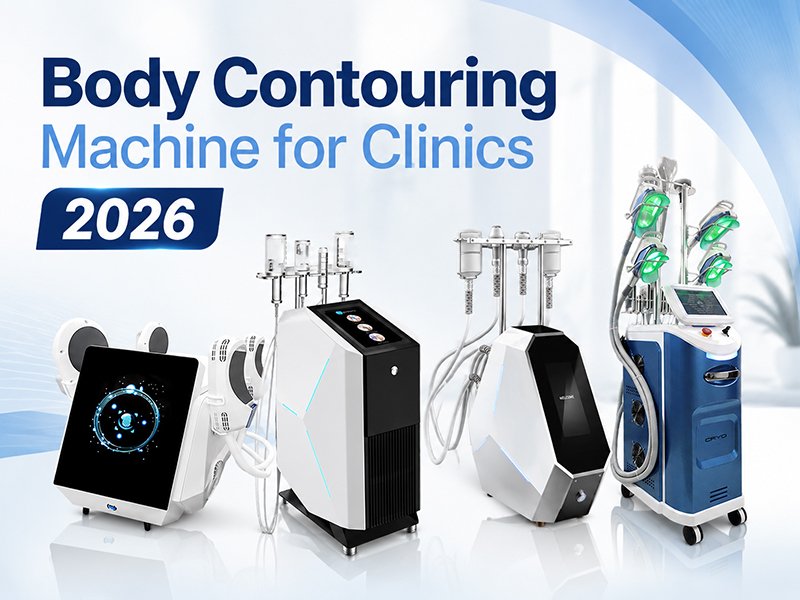
4 core technologies dominate non-invasive clinic body contouring in 2026: HIFEM, Cryoskin thermal shock, compressive microvibration, and cryolipolysis — each targeting different tissue layers and client goals
Factory-direct body contouring equipment ranges from $1,500 (entry portable) to $15,000+ (multi-technology HIFEM platform)
A single mid-range body contouring machine running 5 sessions/day at $150/session generates over $16,500/month gross — most systems break even within 30–60 days
Sessions across all four technologies are priced at $80–$500 per session in EU and North American markets, with package deals accelerating cash flow
Zero consumable cost is achievable with Cryoskin and compressive microvibration systems — the primary financial advantage over cryolipolysis applicator-based platforms
What Is Non-Invasive Body Contouring?
Non-invasive body contouring refers to a category of aesthetic treatments that reshape, firm, or reduce body tissue without incisions, injections, or recovery time. The term covers a broad spectrum of mechanisms: some devices target fat cells directly (cryolipolysis, HIFEM), others work through the lymphatic and connective tissue system (compressive microvibration, thermal shock), and others address both fat and muscle simultaneously (HIFEM). What unites them is the absence of surgical intervention and the ability to be delivered in a clinic or salon setting by a trained operator.
For clinic owners, non-invasive body contouring machines represent one of the highest-ROI service categories in 2026: demand is growing globally, treatments are repeatable (supporting package revenue), and the technology barrier to entry is lower than laser or surgical alternatives.
According to a comprehensive review published on PubMed (PMID: 35593833), non-invasive light and energy-based technologies have demonstrated safe and effective outcomes across a broad range of aesthetic applications, with the field continuing to expand in both clinical evidence and device innovation. All clinical-grade body contouring devices sold in regulated markets must carry device clearances verifiable through the FDA 510(k) premarket database.
The 4 Core Technologies Clinics Use in 2026
1. HIFEM — High-Intensity Focused Electromagnetic Stimulation
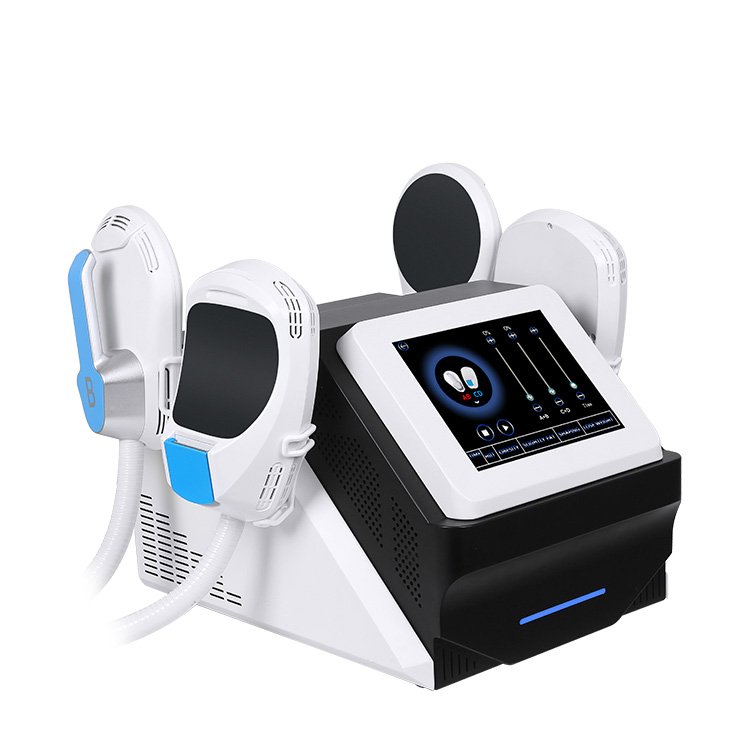
HIFEM devices deliver focused electromagnetic pulses that bypass the skin and subcutaneous layer to directly stimulate motor neurons in the muscle. A single session induces thousands of supramaximal muscle contractions — far exceeding what voluntary exercise can achieve. The metabolic demand of these contractions triggers localised fat reduction alongside measurable muscle hypertrophy.
Key clinical parameters: Energy delivered at 1.8 Tesla (clinical grade); 20,000+ contractions per 30-minute session; targets abdomen, glutes, thighs, and arms.
Best for: Established medspas and sports-wellness clinics with clients who want simultaneous fat reduction and muscle definition. HIFEM commands the highest per-session pricing ($300–$500) and attracts a fitness-conscious demographic who respond to measurable muscle outcomes.

2. Cryoskin Thermal Shock — Dynamic Fat and Skin Contouring
Cryoskin uses alternating heat (up to 43°C) and cold (down to −10°C) delivered via a manual wand to trigger fat cell apoptosis through thermal shock, while simultaneously stimulating collagen synthesis in the dermis. Because there is no suction or static compression, the approach treats both body and facial areas with a single system.
Key clinical parameters: Temperature range −10°C to 43°C; zero consumable cost per session; supports slimming, toning, lifting, and facial protocols from one device.
Best for: New clinics seeking a multi-modal entry point with low ongoing cost, and established salons adding a facial rejuvenation revenue stream to an existing body service menu. Browse the MNLT Cryoskin machine range for configuration options.

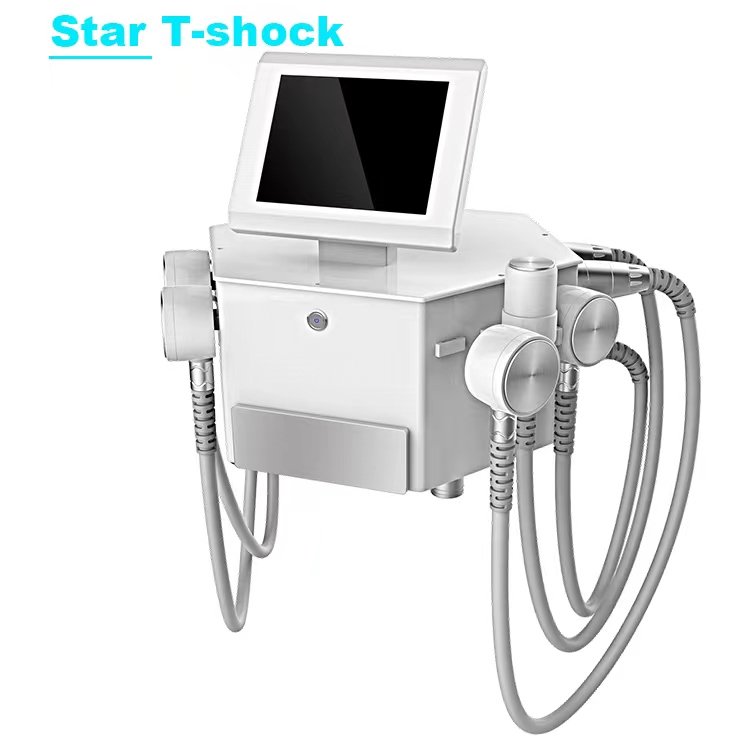
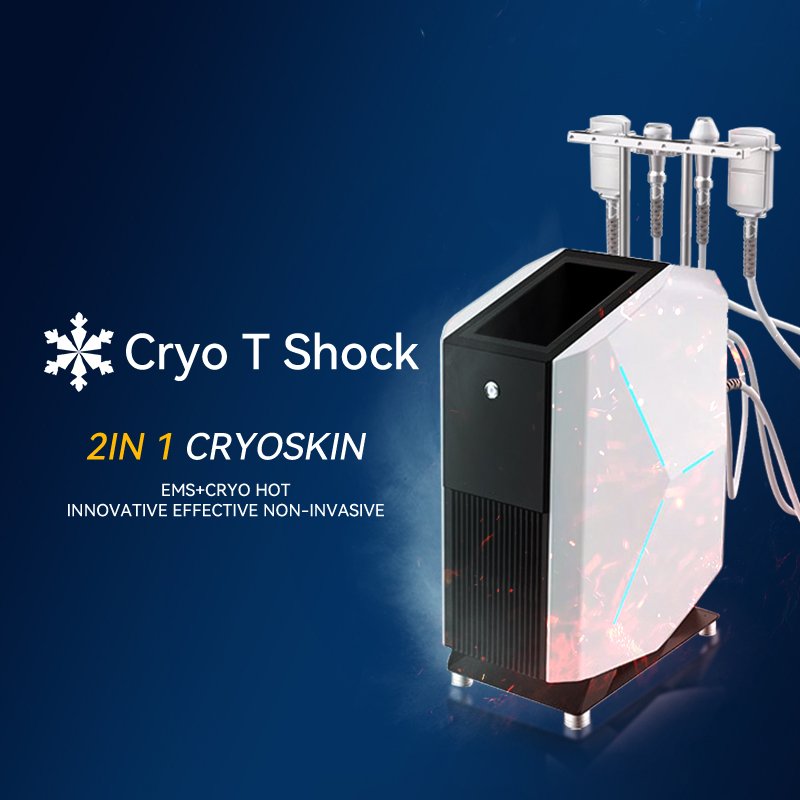
3. Compressive Microvibration — Lymphatic Drainage and Cellulite Reduction
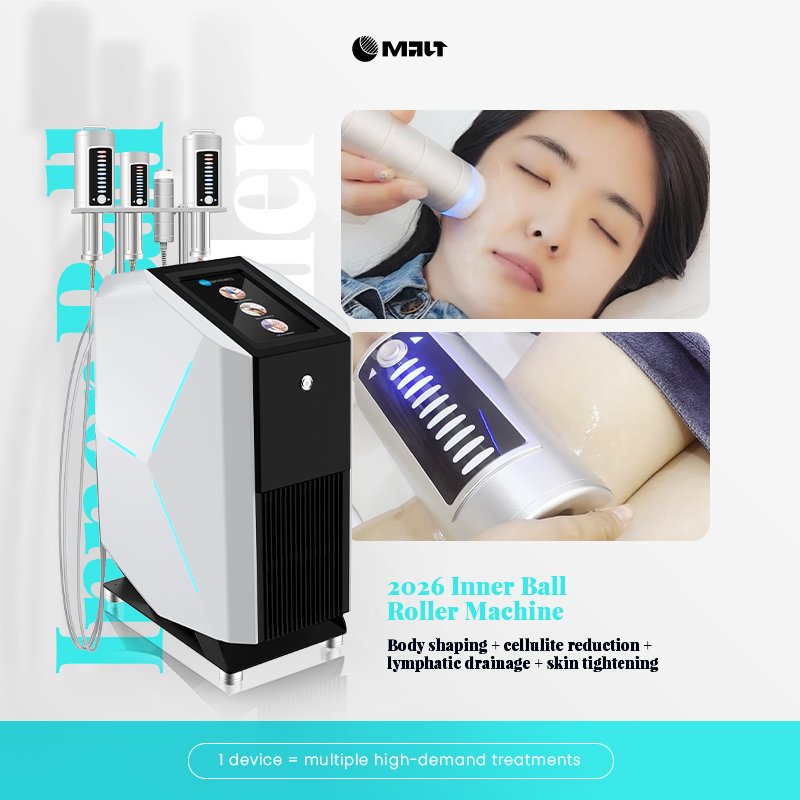
Compressive microvibration machines use 360° rotating silicone roller drums to deliver rhythmic mechanical pressure that activates the lymphatic system, disrupts fibrous septa in cellulitic tissue, and stimulates fibroblast activity. The technology is operator-driven, requires no consumables, and is the most versatile in terms of body coverage — including the face and neck.
Key clinical parameters: Multi-handle systems allow simultaneous treatment of 3 body zones; forward/reverse direction switching; real-time pressure monitoring; EMS handle included on advanced configurations.
Best for: Wellness spas, post-surgical recovery clinics, and salons offering lymphatic drainage programmes. Pairs exceptionally well with Cryoskin as a post-treatment clearance modality. View the MNLT Inner Ball Roller Machine for clinical specifications.
4. Cryolipolysis — Static Fat Freezing
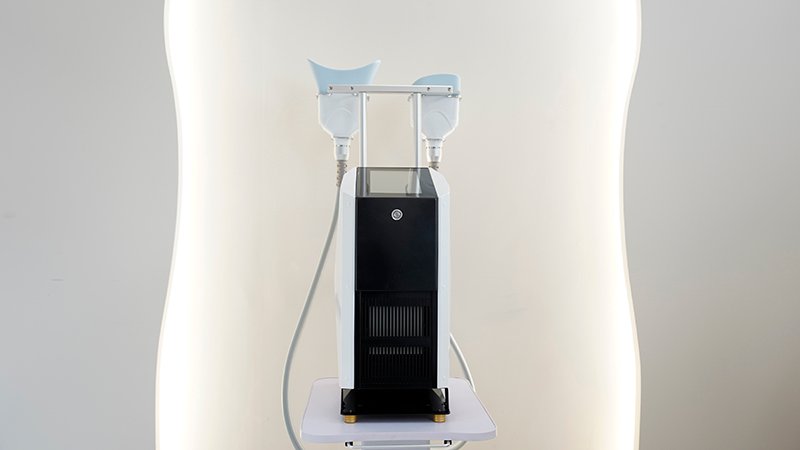
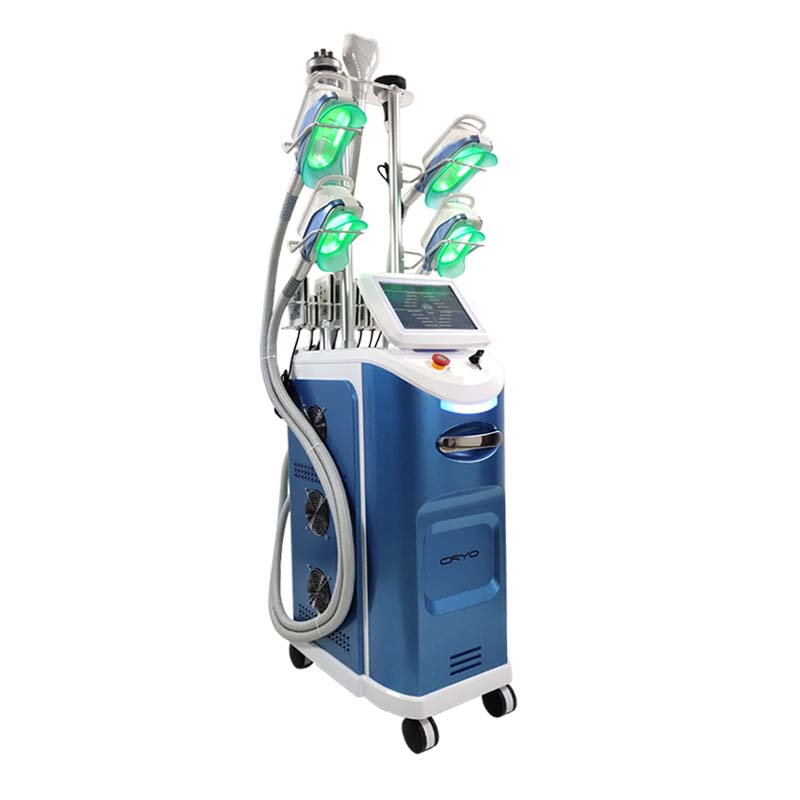
Cryolipolysis uses vacuum suction applicators to draw subcutaneous fat into a cooling cup, then holds the tissue at −11°C for 35–60 minutes to trigger fat cell apoptosis. It is the oldest and most widely recognised technology in the non-invasive fat reduction category, with the most extensive published clinical data.
Key clinical parameters: Temperature held at −11°C for 35–60 minutes per zone; per-session applicator costs of $150–$300 apply on proprietary licensed systems; results visible after 8–12 weeks.
Best for: Clinics that have built client demand around the branded fat-freezing category and serve clients with suctionable fat deposits. Note that factory-direct cryolipolysis machines avoid proprietary applicator licensing fees — a significant cost structure advantage. Explore the MNLT slimming machine category for both cryolipolysis and broader body contouring options.
How to Build a Profitable Body Contouring Service Menu
Single Technology vs. Multi-Technology Strategy
Most clinics start with one technology and expand. The strategic question is: which technology do you start with, and what do you add next?
A single-technology clinic has a clear brand message but limited upsell capacity. Once a client has completed their treatment course, there is no natural next service to offer — increasing client churn. A two-technology clinic can design a “Phase 1 / Phase 2” protocol (e.g. Cryoskin fat reduction → compressive microvibration maintenance), extending client lifetime value and increasing average revenue per visit.
Typical Clinic Service Menu Structure
The following table illustrates how a multi-technology clinic might structure its service menu to maximise coverage across client goals and price points:
| Treatment | Technology | Client Goal | Session Price (EU/NA) | Recommended Frequency |
|---|---|---|---|---|
| Body Slimming | Cryoskin thermal shock | Fat reduction, inch loss | $150–$250 | Weekly × 5, then monthly |
| Muscle Definition | HIFEM | Fat + muscle tone | $300–$500 | 4 sessions over 2 weeks |
| Lymphatic Drainage | Compressive microvibration | Cellulite, detox | $80–$150 | 2×/week × 6 weeks |
| Facial Contouring | Cryoskin / roller facial | Lifting, collagen | $120–$180 | Monthly maintenance |
| Fat Freezing | Cryolipolysis | Localised fat reduction | $200–$400/zone | 1–2 sessions, 8-week gap |
| Body Sculpt Combo | HIFEM + Cryoskin | Premium total remodel | $400–$700 | Packaged course of 6 |
Upsell logic: Clients who begin with one treatment and see results are significantly more likely to add a second modality. Design your intake process to assess the client’s full body concern profile — not just the presenting complaint — so you can recommend multi-step programmes from the first consultation.
3 Body Contouring Equipment Bundles for Different Clinic Sizes
Bundle 1: New Clinic — Single Machine Entry ($3,000–$6,000)
Recommended device: Cryoskin thermal shock machine (4-mode: slimming, toning, lifting, facial)
Why: Zero consumable cost eliminates ongoing financial risk. A single device supports 4 distinct service offerings — body slimming, body toning, skin lifting, and facial rejuvenation — reducing the capital needed to build a meaningful service menu. The facial protocol adds a revenue stream that purely body-focused machines cannot access.
Monthly gross potential: 5 sessions/day × $160/session × 22 days = $17,600 Break-even: Approximately 17–20 business days
Bundle 2: Established Clinic — Dual Technology ($8,000–$15,000)
Recommended combination: Cryoskin thermal shock + Compressive microvibration machine (4-handle with EMS)
Why: These two technologies are clinically complementary — Cryoskin destroys fat cells, and the subsequent compressive microvibration session accelerates lymphatic clearance of destroyed adipocytes. Clients who complete a Cryoskin course are the natural audience for the maintenance microvibration programme. This two-device combination supports a structured “3-phase” service menu: active slimming → active drainage → monthly maintenance.
Monthly gross potential (both machines, 10 combined sessions/day): $130 average × 10 × 22 days = $28,600
Bundle 3: Premium Medical Spa — Full Technology Suite ($20,000–$35,000)
Recommended combination: HIFEM + Cryoskin + Compressive microvibration + Cryolipolysis
Why: Full-spectrum coverage allows the clinic to address every non-invasive body contouring client profile — from fitness-focused muscle definition (HIFEM) through stubborn fat reduction (Cryoskin / cryolipolysis) to connective tissue and lymphatic wellness (microvibration). Clients can be upsold across all four technologies within a single clinic relationship, and premium “Total Body Remodel” packages at $2,000–$4,000 per client become viable.
Key advantage: Eliminates competitive vulnerability — a client who cannot receive HIFEM (e.g. contraindicated by metal implants) can still be served by Cryoskin; a client unsuitable for cryolipolysis (insufficient pinchable tissue) can be treated with Cryoskin or HIFEM instead.
Clinic ROI Comparison Across Technologies
| Technology | Equipment Cost (Factory) | Session Price Range | Zero Consumable? | Monthly Max Gross (8 sessions/day) | Est. Break-Even |
|---|---|---|---|---|---|
| Cryoskin thermal shock | $3,000–$6,000 | $150–$250 | ✅ Yes | ~$44,000 | 3–7 days |
| Compressive microvibration | $2,500–$5,000 | $80–$150 | ✅ Yes | ~$26,400 | 3–10 days |
| HIFEM | $6,000–$15,000 | $300–$500 | ✅ Yes | ~$88,000 | 2–5 days |
| Cryolipolysis (factory-direct) | $2,000–$5,000 | $200–$400 | ✅ Yes* | ~$70,400 | 2–5 days |
Factory-direct cryolipolysis machines do not carry proprietary applicator licensing fees, unlike branded licensed systems.
6 Questions to Ask Before Buying Any Body Contouring Machine
1. Does this technology match my existing client profile? A fitness-oriented clientele responds better to HIFEM muscle outcomes. A wellness spa clientele responds better to lymphatic drainage and compressive microvibration. Match the technology to the clients you already have — not the clients you hope to attract.
2. What is the true total cost of ownership? Sticker price is only one input. Factor in consumable cost per session, cartridge or applicator replacement schedules, annual maintenance, and training costs. A machine with a $1,000 lower purchase price but $200 per session in applicator costs will cost more than a zero-consumable alternative within 5 sessions.
3. Can the machine treat multiple areas and client profiles? A device limited to one body zone reduces session scheduling flexibility. Multi-modal machines (e.g. face + body capability) increase revenue per device per day.
4. What certifications are verifiable? CE, FDA, MDR, and ISO 13485 are the baseline for clinical and regulatory credibility. Request certificate numbers and verify them independently. Do not accept photocopied certificates without traceability.
5. What after-sales support does the manufacturer provide? Technical downtime costs revenue. Confirm: remote video support availability, spare parts lead time, operator training documentation, and warranty terms in writing.
6. What is the manufacturer’s OEM/ODM capability? For distributors and branded clinic chains, white-label customisation (logo, colour, interface language) is a strategic differentiator. Confirm minimum order quantities and customisation lead time before signing.
Contact the MNLT team for a configuration consultation tailored to your clinic’s size and service goals.
FAQ: What Clinic Owners Ask Before Building Their Body Contouring Suite
Which non-invasive body contouring machine gives the fastest ROI for a new clinic?
Can a salon (non-medical) operate professional body contouring machines?
How many body contouring machines does a clinic need to start?
What is the difference between body contouring and body sculpting?
How do I prevent client cannibilisation between body contouring services on my menu?
With 15+ years of expertise in optoelectronic and medical aesthetic engineering, David leads MNLT's R&D team across the full professional aesthetic device portfolio, ensuring all technical content meets the highest standards of accuracy and clinical safety.