
At a Glance
- Factory-direct inner ball roller machines from certified manufacturers typically cost $3,000–$8,000; branded licensing programs for equivalent hardware can run $15,000–$40,000 — a 3–5× price premium for the same core technology.
- Hidden ownership costs — replacement roller heads, annual maintenance contracts, proprietary consumables, and training fees — frequently add 30–60% to the total first-year cost of branded systems.
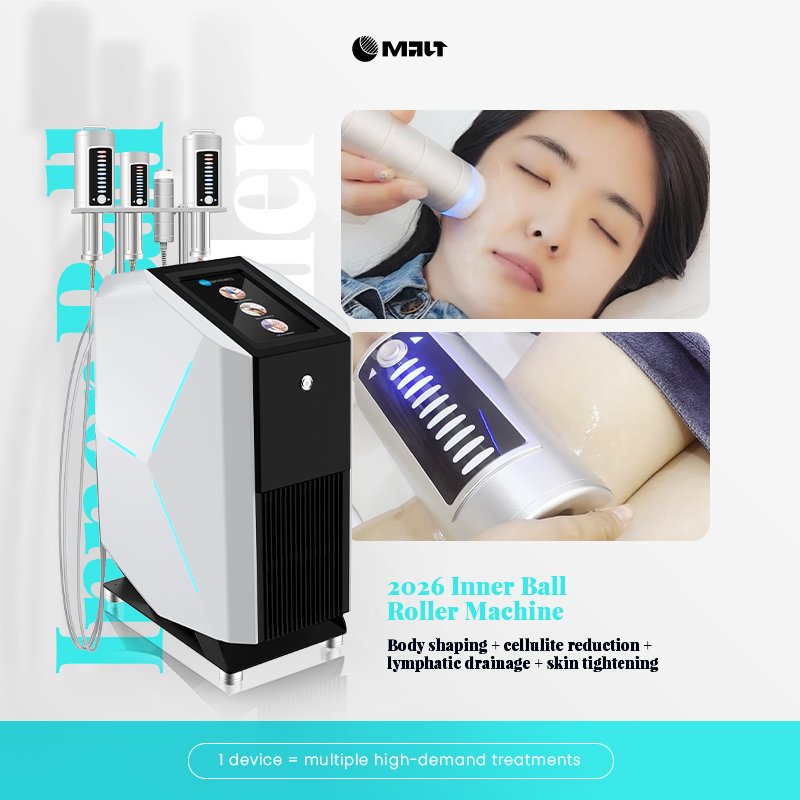
- A clinical-grade inner ball roller system should include ≥3 roller handles of different diameters, ≥1 EMS handle, 360° rotation, real-time pressure sensing, and CE/FDA/ISO 13485/MDR certification.
- Five supplier red flags that predict after-sales failure: no traceable certificate numbers, single-roller configuration only, no spare parts pricing disclosed, no reference clinic contacts available, and no OEM/customisation capability.
- MNLT Laser manufactures inner ball roller machines with 3 roller handles + 1 EMS handle, CE/FDA/ISO 13485/MDR certification, 19 years of production experience, and global supply to 20,000+ clinics in 120+ countries.
- This guide focuses exclusively on pricing structure, hidden cost analysis, and supplier evaluation — for clinical applications and protocol details, see the dedicated Inner Ball Roller Machine clinic guide.
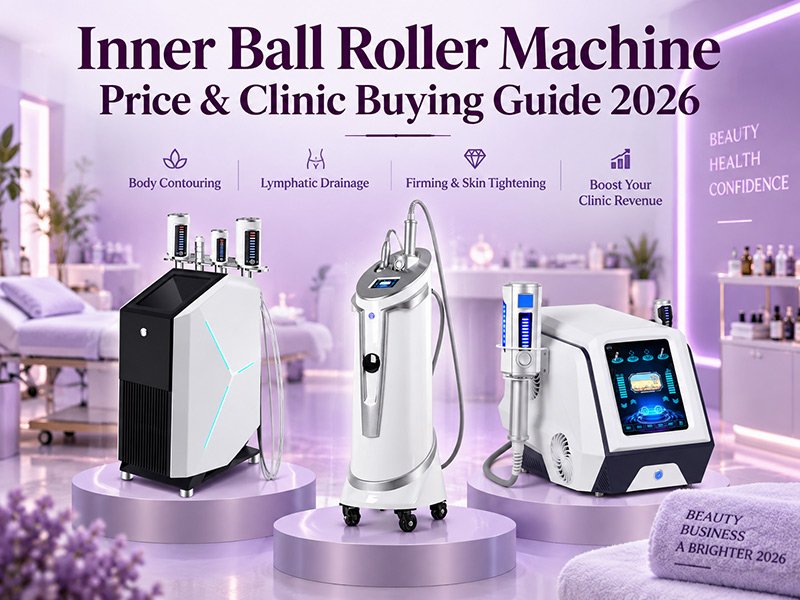
The inner ball roller machine category has grown rapidly — and so has the price variance. Two clinics buying what appears to be the same compressive microvibration system can pay anywhere from 4,000to4,000to35,000, depending entirely on whether they source factory-direct from a certified manufacturer or through a branded licensing programme. This guide breaks down where that difference comes from, what hidden costs to account for before signing any purchase agreement, and the five supplier evaluation criteria that separate reliable long-term equipment partners from costly mistakes.
The Real Price of an Inner Ball Roller Machine: Factory-Direct vs Branded Licensing
The inner ball roller machine market operates across two fundamentally different commercial structures — and the pricing gap between them is not a reflection of technology quality.
Factory-Direct Pricing
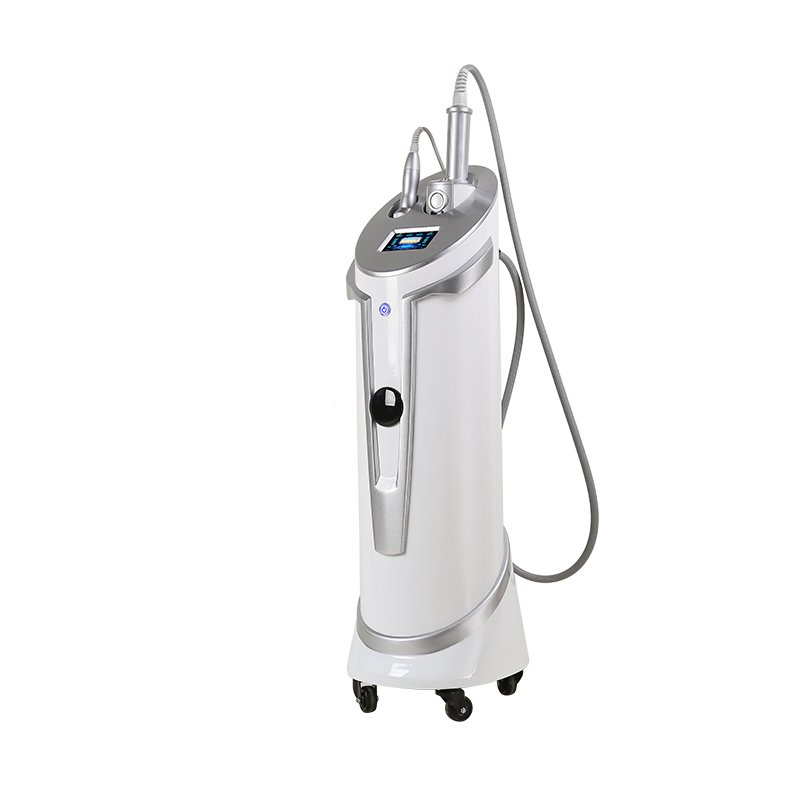
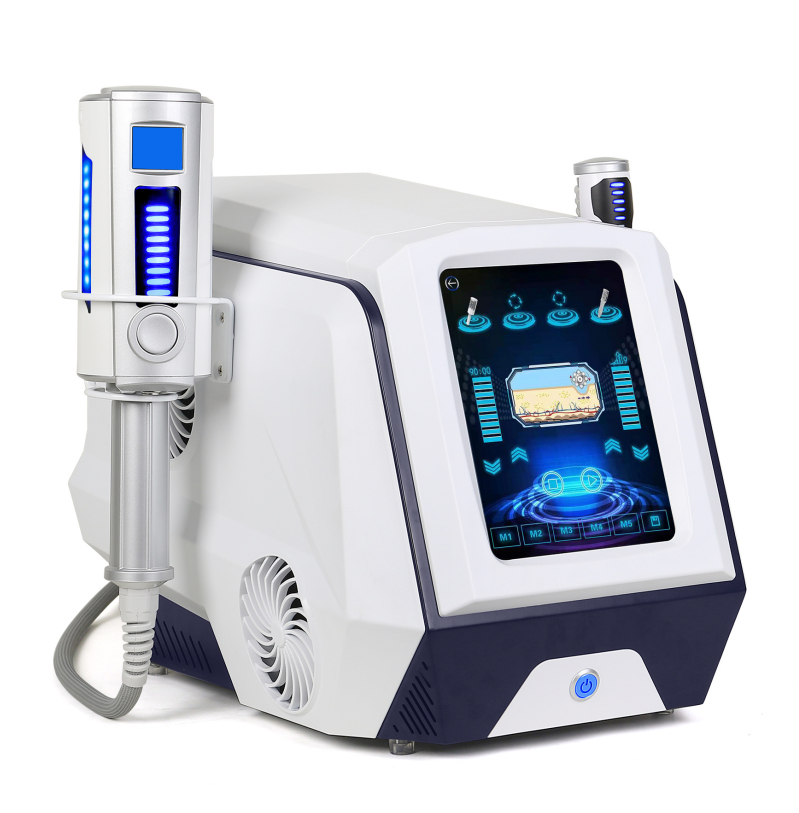
Factory-direct inner ball roller machines from ISO 13485-certified manufacturers — where the device is purchased outright, shipped directly from production, and supported by the manufacturer’s own after-sales team — typically fall into the following ranges:
| Configuration | Factory-Direct Price Range | Included |
|---|---|---|
| Single roller handle (entry) | 2,500–2,500–4,000 | 1 roller, power unit, basic carry case |
| Dual roller + EMS handle | 4,500–4,500–6,500 | 2 rollers, 1 EMS head, treatment table adapter |
| Full clinical suite (3 rollers + EMS) | 6,500–6,500–9,500 | 3 roller diameters, 1 EMS handle, full accessory pack |
| OEM/branded full suite | 8,000–8,000–14,000 | Full suite + custom branding, packaging, documentation |
These prices cover a complete certified device with full accessory configuration, no recurring licence fee, and no territory restriction on the treatments you offer.
Branded Licensing Programme Pricing
Some inner ball roller and Endospheres-branded systems are sold through exclusive regional licensing models. The headline equipment price is often similar to or only moderately above factory-direct, but the total cost of entry includes:
- Licensing or territory rights fees: 5,000–5,000–20,000+ one-time or annual
- Mandatory training and certification: 1,500–1,500–4,000 per operator
- Proprietary consumable lock-in: replacement roller heads, gel products, or treatment pads available only through the brand at 2–4× open-market cost
- Per-treatment or per-session royalties: in some licensing structures, a fee per client session is contractually required
- Brand compliance requirements: mandatory price floors on client-facing treatment pricing, restricting your commercial flexibility
The result: a clinic paying 12,000forlicensedequipmentmayspend12,000forlicensedequipmentmayspend28,000–40,000intotalyear−onecostsoncelicensing,training,andconsumablelock−inareincluded.
Aclinicbuyingthesamehardwarefactory−directfor40,000intotalyear−onecostsoncelicensing,
training,andconsumablelock−inareincluded.Aclinicbuyingthesamehardwarefactory−directfor7,500 exits year one with no ongoing licence obligations.
For a detailed breakdown of what inner ball roller technology actually delivers clinically — including compressive microvibration mechanics and treatment protocol design — see our comprehensive Inner Ball Roller Machine technical guide.
Hidden Costs: What the Invoice Price Doesn't Tell You
The five ownership cost categories below are consistently underestimated by clinic owners in their first inner ball roller machine purchase — and collectively represent the largest financial risk in the buying process.
1. Roller Head Replacement Cycles
Roller handles are the primary wear component in compressive microvibration systems. The ball bearings, outer shell, and rotation mechanism degrade with clinical use. At a clinic running 6 inner ball roller sessions per day, roller heads typically require replacement every 12–18 months.
What to ask before purchasing: What is the unit cost of a replacement roller head? Is it available directly, or through a proprietary distributor only? A factory-direct manufacturer should provide this number in writing before the sale. A supplier who declines to disclose consumable pricing pre-purchase is signalling lock-in intent.
2. Maintenance Contracts and Service Intervals
Clinical-grade compressive microvibration devices require periodic servicing: motor calibration, pressure sensor verification, EMS output testing, and electrical safety inspection. Some manufacturers include one year of maintenance in the purchase price; others charge 800–800–2,500 annually for mandatory service contracts.
Confirm in writing: what is included in the warranty, what voids it, and what the annual maintenance cost is beyond the warranty period.
3. Training and Protocol Certification Costs
Operator competence directly affects treatment outcomes and client satisfaction. Many manufacturers and brands charge for initial operator training — ranging from a complimentary video resource pack to $3,000+ per-operator live certification programmes that must be renewed annually.
For clinic owners considering theInner Ball Roller Machine category for the first time, establishing training cost and format before purchase is essential to accurate first-year cost modelling.
4. Shipping, Import Duties, and Installation
Factory-direct purchasing from overseas manufacturers introduces three cost variables that branded domestic suppliers often bundle invisibly into their pricing:
- International freight: typically 300–300–900 for a full inner ball roller clinical suite, depending on destination and shipping method
- Import duties: vary by country and HS code classification; in EU markets, medical device imports typically attract 0% duty under the WHO Pharmaceutical Tariff Elimination Agreement, but non-medical-classified devices may attract 3–6%
- Installation and commissioning: most factory-direct machines are self-setup; some require a technician visit at additional cost
Request an all-in landed cost estimate from any supplier before comparing against domestic alternatives.
5. Software Updates and Feature Unlock Fees
Some modern inner ball roller systems include touchscreen control panels with treatment protocols, session logging, and pressure mapping features accessed through software. On certain platforms, firmware updates or protocol expansion packs carry additional licence fees. Confirm that the device you are purchasing includes all current and future software features under the initial purchase price — or that future update pricing is disclosed in writing.
5 Supplier Red Flags That Predict After-Sales Failure
These five signals, identified from clinic operator feedback across EU and North American markets, are the most reliable predictors of a problematic inner ball roller machine sourcing decision:
Red Flag 1: Certificate numbers not available on request A supplier who cannot provide traceable CE, FDA, and ISO 13485 certificate numbers — verifiable through the issuing body’s public database — within 24 hours of a written request is not operating a certified manufacturing process. A certificate image on a product page is not evidence of current certification status.
Red Flag 2: Single-roller configuration only A clinical-grade inner ball roller system requires multiple roller diameters (typically small, medium, and large) to address different anatomical areas and treatment depths. A supplier offering only one roller size is selling consumer-grade or entry-market hardware into a clinical context.
Red Flag 3: No spare parts pricing disclosed pre-purchase Roller head replacement costs are a predictable ownership expense. Any supplier unwilling to disclose consumable pricing before the sale intends to monetise you through proprietary parts after it.
Red Flag 4: No reference clinic contacts available A manufacturer with 19 years of production history and 20,000+ clinic installations has verifiable customer relationships in every major market. A supplier who cannot provide direct contact with at least two existing clinic or distributor partners in your region is either new, undisclosed, or has unresolved customer relations issues.
Red Flag 5: No OEM or customisation pathway For clinic groups or distributors building a proprietary service identity, OEM capability is a long-term requirement. A supplier with no OEM infrastructure is a product-only vendor — they cannot grow with your commercial ambitions.
What a Complete Inner Ball Roller Clinical Suite Should Include
Before comparing supplier quotes, establish what a complete clinical configuration looks like. Any quote that does not include all of the following components is not a valid like-for-like comparison:
| Component | Clinical Standard | Why It Matters |
|---|---|---|
| Small roller handle (60–80mm) | Required | Precision work: arms, décolleté, face/neck |
| Medium roller handle (100–120mm) | Required | Torso, thighs, standard body protocol |
| Large roller handle (140–180mm) | Required | Back, gluteal, large-area treatments |
| EMS handle | Required | Electrical muscle stimulation add-on for toning protocols |
| Real-time pressure sensor | Required | Prevents operator-variable treatment inconsistency |
| 360° roller rotation mechanism | Required | Full directional coverage without body repositioning |
| Session logging / touchscreen panel | Recommended | Clinical governance, protocol documentation |
| Carry case / transport protection | Required | Field durability for multi-location clinics |
| Multi-voltage power supply | Required | EU and NA clinic compatibility |
Explore the full specification of MNLT’s certified inner ball roller range on the inner ball roller machine product category page to compare configuration options against this checklist.
Why Clinics Choose MNLT as Their Factory-Direct Inner Ball Roller Supplier
MNLT Laser has been manufacturing professional aesthetic and body treatment devices for 19 years, with 20,000+ clinic installations across 120+ countries. The inner ball roller machine range is produced in an ISO 13485-certified facility with CE marking, FDA clearance, and MDR compliance — all verifiable through public registries.
The MNLT sourcing advantage:
- Full clinical suite as standard: 3 roller handles (small, medium, large) + 1 EMS handle — no partial configuration or upsell required
- CE / FDA / MDR / ISO 13485 certified: traceable certificate numbers provided with every order
- No licence fees, no per-session royalties: outright purchase, no ongoing commercial obligations
- OEM/private label: custom branding, packaging, and documentation for clinic groups and regional distributors
- 24/7 technical support: global after-sales coverage, spare parts logistics, remote diagnostics
- Transparent consumable pricing: roller head replacement costs disclosed pre-purchase, in writing
- Factory-direct pricing: 6,500–6,500–9,500 for a full clinical suite — without the 15,000–15,000–40,000 premium of branded licensing programmes
Inquire Now
Fill out the form for more information, and an MNLT product manager will contact you shortly!
FAQ: Inner Ball Roller Machine Price & Buying Guide
How much does an inner ball roller machine cost for a clinic?
Factory-direct inner ball roller machines from CE/FDA-certified manufacturers typically range from $2,500–$4,000 for a single-roller entry configuration to $6,500–$9,500 for a full clinical suite (3 roller handles + 1 EMS handle). Branded licensing programmes for equivalent hardware can cost $15,000–$40,000 in total year-one expenditure when licensing fees, mandatory training, and proprietary consumable lock-in are included. For most clinic owners, factory-direct purchasing from a certified manufacturer delivers the same clinical capability at 3–5× lower total cost.
What hidden costs should I budget for when buying an inner ball roller machine?
The five hidden cost categories that most frequently catch clinic owners by surprise are: (1) roller head replacement — typically required every 12–18 months at clinical session volumes, cost varies by supplier; (2) annual maintenance contracts — $800–$2,500/year on some platforms; (3) operator training and certification — free to $3,000+ per operator depending on the supplier model; (4) international shipping, import duties, and installation — typically $300–$900 in freight plus applicable import duty rates for your market; (5) software update or feature unlock fees on some touchscreen-controlled systems. Request written disclosure of all five categories from any supplier before signing a purchase agreement.
What is the difference between an inner ball roller machine and an Endospheres machine?
Endospheres is a branded Italian compressive microvibration system sold through an exclusive licensing model. Inner ball roller machines deliver the same core technology — rotating spherical rollers generating compressive microvibration for lymphatic drainage, cellulite reduction, and body contouring — through a factory-direct commercial model without licensing fees, territory restrictions, or proprietary consumable lock-in. The core mechanism, clinical applications, and treatment outcomes are equivalent; the commercial structure and total cost of ownership are substantially different. Factory-direct inner ball roller machines from certified manufacturers typically cost 3–5× less in total year-one expenditure compared to Endospheres licensing programme entry.
What certifications should an inner ball roller machine have for clinical use?
The minimum certification baseline for a clinical-grade inner ball roller machine deployed in regulated markets is: CE marking (EU market access), FDA clearance (US market access), MDR compliance (EU Medical Device Regulation — required for clinical positioning in European markets), and ISO 13485 Quality Management System certification. Request the certificate number for each credential and verify it through the issuing body's public database — not just from the manufacturer's product page or a certificate image. A traceable, verifiable certificate number is the only valid evidence of current certification status.
What is the MOQ for buying inner ball roller machines for distribution?
MOQ varies by supplier and configuration. For standard (non-OEM) stock units, many factory-direct manufacturers offer low-MOQ or single-unit purchasing suitable for clinic evaluation and first-order distributor purchases. For OEM/branded configurations — custom logo, device body colour, packaging, and documentation — MOQ is higher to cover customisation costs, with the specific threshold depending on branding scope. MNLT Laser supports both single-unit clinic orders and volume distributor arrangements. Contact the MNLT commercial team with your target volume and market to receive a written pricing proposal.
How quickly does an inner ball roller machine pay for itself in a clinic?
At factory-direct pricing of $6,500–$9,500 for a full clinical suite and session pricing of $80–$180 per treatment in EU and North American markets, a clinic running 4 inner ball roller sessions per day reaches break-even within 10–30 working days. There are no per-session consumable costs beyond treatment gel ($1–$3/session). Standard protocols of 6–10 sessions per patient course create predictable revenue per patient: at $120/session and 8 sessions per course, each new inner ball roller patient generates $960 in gross course revenue. With zero licensing fees and no per-session royalties, the gross margin on every session after break-even is 95%+.
Can I get an inner ball roller machine with my own clinic or brand name (OEM)?
Yes — OEM and ODM customisation is available from factory-direct manufacturers including MNLT Laser. Customisation options typically include: custom logo on the device body, handpiece, and base unit; branded packaging and carry case; localised operator documentation in your language; and custom colour scheme. OEM orders follow a design review and sample approval process before full production begins. Lead time for OEM configurations is typically 30–45 days versus 15–25 days for standard stock units. Confirm MOQ, design approval steps, and production timeline in writing before committing to an OEM order.
Reviewed by David Ma
CTO & Chief Engineer, MNLT Laser (Shandong Moonlight Electronics Tech Co., Ltd.) — 19 years in aesthetic device manufacturing. David leads MNLT's R&D team across the full professional aesthetic device portfolio, ensuring all technical content meets the highest standards of accuracy and clinical safety.