
At a Glance
- Both inner ball roller and Endospheres Therapy use compressive microvibration — oscillating spherical pressure — to address cellulite, lymphatic drainage, and body contouring; the core biological mechanism is identical between the two technologies.
- Endospheres Therapy is an Italian branded system sold through exclusive regional licensing; inner ball roller machines from certified manufacturers like MNLT deliver the same mechanism without licensing fees, territory restrictions, or per-session royalty obligations.
- Inner ball roller machines with 3 roller handle sizes (small/medium/large) + an EMS handle provide broader anatomical coverage and dual-modality capability in a single device — Endospheres systems do not include integrated EMS.
- Total first-year cost of entry for Endospheres licensing (equipment + licence fee + mandatory training + proprietary consumables) typically exceeds $25,000–$45,000; factory-direct inner ball roller clinical suites from MNLT cost $6,500–$9,500 with no ongoing licence obligations.
- Both technologies share the same clinical indication set: cellulite (Nürnberger-Müller Grade 1–3), lymphoedema management, localised fat reduction, post-surgical recovery, and sports rehabilitation.
- MNLT inner ball roller machines carry CE/FDA/MDR/ISO 13485 certification — the same regulatory tier as Endospheres — with traceable certificate numbers and 19 years of production experience across 20,000+ clinic installations.
- For clinics building a compressive microvibration treatment menu, factory-direct inner ball roller sourcing achieves the same clinical outcomes at 3–5× lower equipment and operating cost than the Endospheres licensing model.
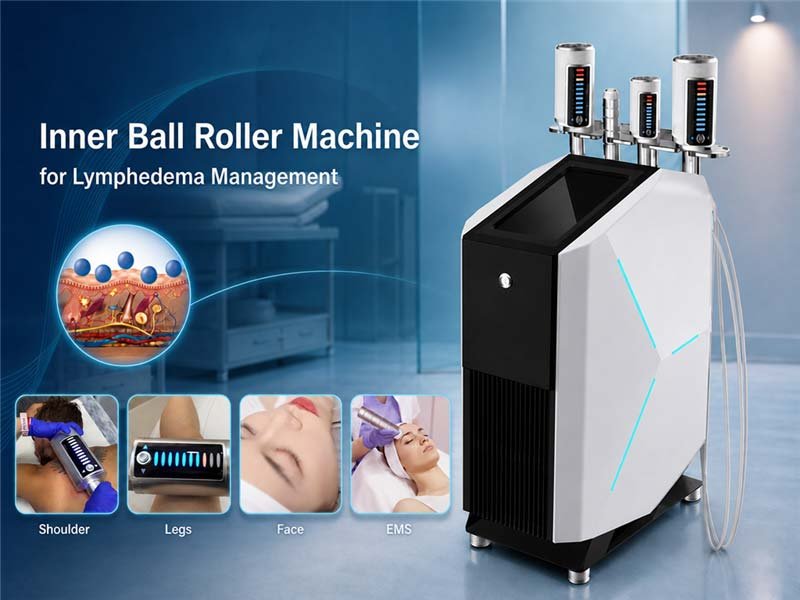
Lymphedema management is one of the most clinically demanding applications in physical therapy and aesthetic medicine — and one of the most underserved in terms of equipment support. Manual lymphatic drainage (MLD) by a certified Vodder or Földi therapist remains the gold standard, but session-by-session MLD delivery at clinical volume is physically demanding for practitioners, difficult to scale, and increasingly limited by workforce availability in many markets. Inner ball roller compressive microvibration offers a well-evidenced mechanical adjunct that extends MLD effects, improves between-session drainage maintenance, and enables clinics to serve a larger lymphedema caseload without proportionally increasing manual therapy hours. This guide gives physical therapy practitioners, rehabilitation clinic managers, and aesthetic device purchasers the clinical framework for deploying inner ball roller technology in a lymphedema management context — from ISL stage assessment through treatment parameter selection to full programme design.
Understanding Lymphedema: The Pathophysiology Inner Ball Roller Addresses
Lymphedema is a chronic condition caused by impairment of the lymphatic transport system — either primary (developmental abnormality of lymphatic vessels or nodes) or secondary (acquired damage from surgery, radiation, infection, trauma, or venous insufficiency). The result is accumulation of protein-rich interstitial fluid that cannot be adequately drained through the compromised lymphatic network.
At the tissue level, untreated lymphedema progresses through a characteristic pathological sequence:
1. Lymphatic transport failure: Reduced lymphangion (lymphatic vessel segment) contraction frequency and force results in inadequate clearance of interstitial fluid from the affected region. Healthy lymphangions contract at 6–12 contractions per minute; in lymphedematous tissue, this rate drops significantly.
2. Protein accumulation and chronic inflammation: Protein-rich lymph retained in the interstitium triggers a low-grade inflammatory response, attracting macrophages and stimulating fibroblast activity. Over time, this produces the fibrotic, indurated tissue texture characteristic of chronic lymphedema.
3. Adipose tissue hypertrophy: Chronic lymphatic insufficiency promotes adipose tissue deposition in the affected region — a process distinct from simple fluid accumulation that contributes to the irreversible volume changes seen in late-stage lymphedema.
4. Skin changes: Chronic protein accumulation and inflammation produce progressive skin changes: thickening, hyperkeratosis, papillomatosis, and in advanced cases, the characteristic positive Stemmer’s sign (inability to pinch the skin over the dorsum of the second toe or finger).
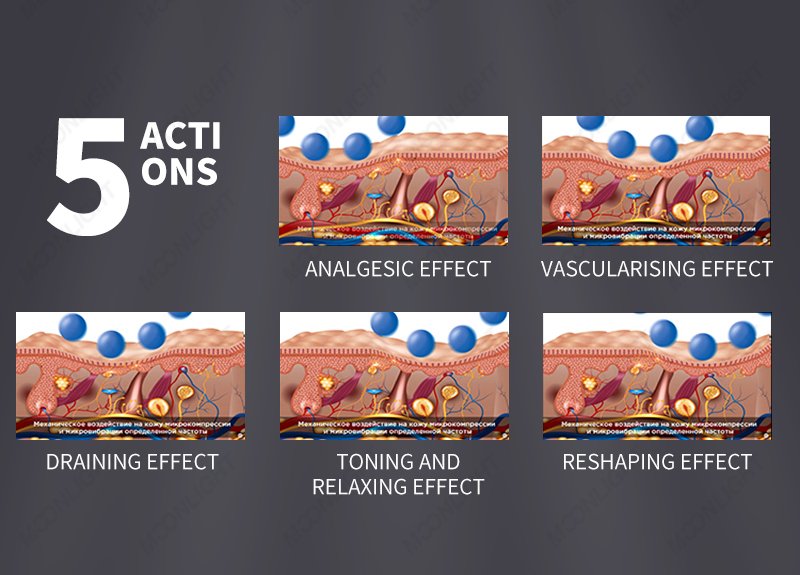
Compressive microvibration acts on the first stage of this sequence — lymphatic transport failure — through a direct mechanical mechanism: the oscillating spherical pressure of the inner ball roller generates rhythmic compression and decompression of the superficial lymphatic collectors (which run at 0.5–2mm depth in the dermal and subdermal layers), stimulating passive lymphangion filling and promoting fluid movement along the drainage pathway toward the relevant lymph node cluster.
For the detailed tissue-level mechanism of compressive microvibration and how it differs from other body treatment modalities, see our inner ball roller compressive microvibration technical guide.
ISL Lymphedema Staging: The Assessment Framework for Protocol Design
The International Society of Lymphology (ISL) staging system classifies lymphedema severity across four stages (0–3) based on clinical presentation, tissue characteristics, and response to elevation. Protocol design, treatment intensity, and realistic outcome expectations must be calibrated to ISL stage before any treatment begins.
| ISL Stage | Clinical Presentation | Tissue Characteristics | Stemmer’s Sign | Inner Ball Roller Response |
|---|---|---|---|---|
| Stage 0 (Subclinical) | No visible swelling; patient may report heaviness or tightness; lymphatic function impaired but volume not yet increased | Normal tissue consistency; no pitting | Negative | Excellent — preventive and early intervention; compressive microvibration alone may be sufficient to maintain lymphatic transport capacity |
| Stage 1 (Reversible) | Visible soft swelling, pitting on pressure; reduces significantly or completely with overnight elevation | Soft, pitting oedema; protein accumulation beginning | Usually negative | Good — compressive microvibration as primary mechanical drainage adjunct; 6–8 sessions typically produces measurable volume reduction |
| Stage 2 (Irreversible) | Swelling does not fully resolve with elevation; progressive fibrosis; pitting becomes less pronounced as fibrosis develops | Firm to hard tissue; early fibrotic changes; reduced skin mobility | Positive | Moderate — inner ball roller as component of complete decongestive therapy (CDT); realistic expectation is reduction and stabilisation rather than resolution; combination with compression bandaging required |
| Stage 3 (Lymphostatic elephantiasis) | Massive volume increase; severe skin changes (hyperkeratosis, papillomatosis, lobular skin deformity); significant functional impairment | Very hard, non-pitting; advanced fibrosis; skin changes | Positive | Supportive — inner ball roller for comfort, partial drainage stimulation, and maintenance; intensive CDT and specialist lymphedema therapy required; device is an adjunct, not a primary treatment at this stage |
Assessment protocol: Document ISL stage at intake using the full clinical assessment including: limb volume measurement (circumferential at standardised anatomical landmarks), tissue consistency assessment (pitting test, tissue mobility), Stemmer’s sign, skin condition assessment, and patient-reported symptom severity (heaviness, tightness, aching). Re-assess at 4-week intervals during active treatment and at programme completion.
Mechanism: How Compressive Microvibration Supports Lymphatic Function
The lymphatic capillary network is a low-pressure, high-compliance system that depends on external forces — muscle contraction, arterial pulsation, respiration, and skin movement — to drive fluid from the interstitium into lymphatic capillaries and along collector vessels toward lymph nodes. When these external forces are insufficient (sedentary patients, post-surgical immobility, chronic venous insufficiency) or when the lymphatic vessels themselves are damaged, fluid accumulates.
Compressive microvibration mimics and augments these external forces through three specific mechanical actions:
Rhythmic compression-decompression: The oscillating spherical roller creates a rhythmic pressure wave at 0.5–2mm tissue depth — precisely the depth at which superficial lymphatic capillaries and initial collectors are located. Each compression phase empties a segment of the capillary network toward the downstream collector; each decompression phase creates a pressure differential that draws fluid from the interstitium into the capillary lumen.
Skin and fascial mobilisation: The rotational movement of the roller head creates tangential shear forces in the dermis and hypodermis, mobilising the superficial fascia that can become adherent in chronic lymphedema. Fascial adhesions restrict lymphatic capillary filling by reducing tissue compliance; mechanical mobilisation partially reverses this restriction.
Tissue softening in early fibrosis: The sustained mechanical pressure of repeated compressive microvibration sessions has a progressive effect on early fibrotic tissue (Stage 2) — reducing tissue firmness over a course of treatment and improving the responsiveness of the lymphatic network to both mechanical and manual drainage stimulation.
For a complete overview of the clinical applications of inner ball roller technology beyond lymphedema — including sports rehabilitation and post-surgical recovery — see the inner ball roller machine clinical applications guide.
Treatment Parameters by Anatomical Region and ISL Stage
Parameter selection for lymphedema management follows a stricter protocol than cellulite or body contouring applications. The direction of roller movement is not optional — it must follow the anatomical drainage pathway toward the relevant lymph node cluster for the treated region.
Roller Head Selection by Region
| Region | Recommended Head | Drainage Terminus |
|---|---|---|
| Lower leg (below knee) | Small (60–80mm) | Popliteal lymph nodes (posterior knee) |
| Thigh | Medium (100–120mm) | Inguinal lymph nodes (groin) |
| Arm (forearm + upper arm) | Small to Medium (60–120mm) | Axillary lymph nodes (armpit) |
| Trunk / torso drainage | Large (140–180mm) | Axillary or inguinal (by quadrant) |
| Face / neck / head | Small (60–80mm) | Cervical lymph nodes (neck) |
Treatment Parameters by ISL Stage
| ISL Stage | Pressure Setting | Roller Speed | Direction | Session Duration | Frequency |
|---|---|---|---|---|---|
| Stage 0 | Very light | Slow | Always proximal | 15–20 min | 2×/week |
| Stage 1 | Light–Medium | Slow–Medium | Always proximal | 20–35 min | 3×/week |
| Stage 2 | Light (never high pressure on fibrotic tissue) | Slow | Always proximal | 30–40 min | 3×/week (combined with CDT) |
| Stage 3 | Very light / comfort only | Very slow | Always proximal | 20–30 min (comfort) | 2×/week (adjunct only) |
Critical rule: For all lymphedema applications, roller movement must ALWAYS be directed toward — never away from — the regional lymph node cluster. Retrograde movement (distal direction) can drive fluid further into the congested tissue and worsen oedema. This is non-negotiable regardless of patient preference or comfort.
Standard Treatment Programme Design
Stage 0–1: Compressive Microvibration as Primary Intervention
| Phase | Frequency | Sessions | Duration | Goal |
|---|---|---|---|---|
| Intensive | 3×/week | 9 sessions | 3 weeks | Establish drainage momentum; measurable volume reduction |
| Consolidation | 2×/week | 8 sessions | 4 weeks | Maintain volume reduction; tissue softening |
| Maintenance | 1×/week | Ongoing | Indefinite | Prevent reaccumulation; quality of life support |
Volume measurement at intake, week 3, and week 7 provides objective outcome data. Stage 1 patients typically achieve 15–30% volume reduction in the affected limb by programme completion, with maintenance sessions sustaining the reduction.
Stage 2: Adjunct Within Complete Decongestive Therapy (CDT)
For Stage 2 lymphedema, inner ball roller must be integrated within a complete CDT programme comprising: manual lymphatic drainage (MLD) by a certified therapist, multilayer compression bandaging, exercise, and skin care. The inner ball roller’s role is to extend MLD effects between manual therapy sessions:
Recommended CDT integration protocol:
- MLD session by certified therapist (40–60 min)
- Inner ball roller session same day or following day (30–40 min, same drainage pathway)
- Compression bandaging applied after both session types
- Exercise programme maintained throughout
This sequencing — MLD first, inner ball roller as follow-up — maximises the drainage achieved in each treatment cycle. MLD opens and primes the lymphatic collectors; inner ball roller sustains the activated drainage pathway with mechanical stimulation.
MLD and Inner Ball Roller: Complementary Roles
| Aspect | Manual Lymphatic Drainage | Inner Ball Roller |
|---|---|---|
| Pressure | Ultra-light (30–40 mmHg) | Adjustable low–medium |
| Mechanism | Gentle skin stretch to stimulate lymphangion contraction | Compressive microvibration at capillary depth |
| Depth | Superficial capillaries | Superficial collectors + capillaries |
| Practitioner fatigue | High (limits session duration) | Low (machine-assisted) |
| Scalability | One practitioner per patient per session | Machine supports higher patient volumes |
| Evidence level | Gold standard (Vodder, Földi methods) | Emerging evidence; mechanism-supported |
| Best use | Acute treatment, node activation, advanced stages | Between-session maintenance, Stage 0–1 primary, Stage 2 adjunct |
The practical implication for clinic managers: a lymphedema service using inner ball roller as an MLD adjunct can increase patient throughput without proportionally increasing certified lymphedema therapist hours. A therapist delivering 3 MLD sessions in a morning clinic can support 6–8 inner ball roller maintenance sessions in the afternoon, managed by a trained therapy assistant — doubling the clinic’s lymphedema service capacity.
Contraindications and Safety Considerations
Inner ball roller compressive microvibration for lymphedema management has a well-defined contraindication profile that must be screened at intake:
Absolute contraindications (do not treat):
- Active infection (cellulitis, erysipelas) in the treatment zone
- Active deep vein thrombosis (DVT) or pulmonary embolism
- Active malignancy in the treatment region without oncology clearance
- Acute cardiac failure or known cardiac oedema
- Untreated or undiagnosed swelling of unknown origin
Relative contraindications (treat with caution, seek medical guidance):
- Recent surgical site within 6 weeks
- Radiation fibrosis in the treatment zone
- Severe hypertension (>180/110 mmHg uncontrolled)
- Pregnancy (abdominal treatment)
- Peripheral arterial disease with ABI < 0.8
This contraindication list parallels the MLD contraindication framework — clinics offering inner ball roller for lymphedema should implement the same intake screening used for MLD services.
MNLT Inner Ball Roller: The Clinical Configuration for Lymphedema Programmes
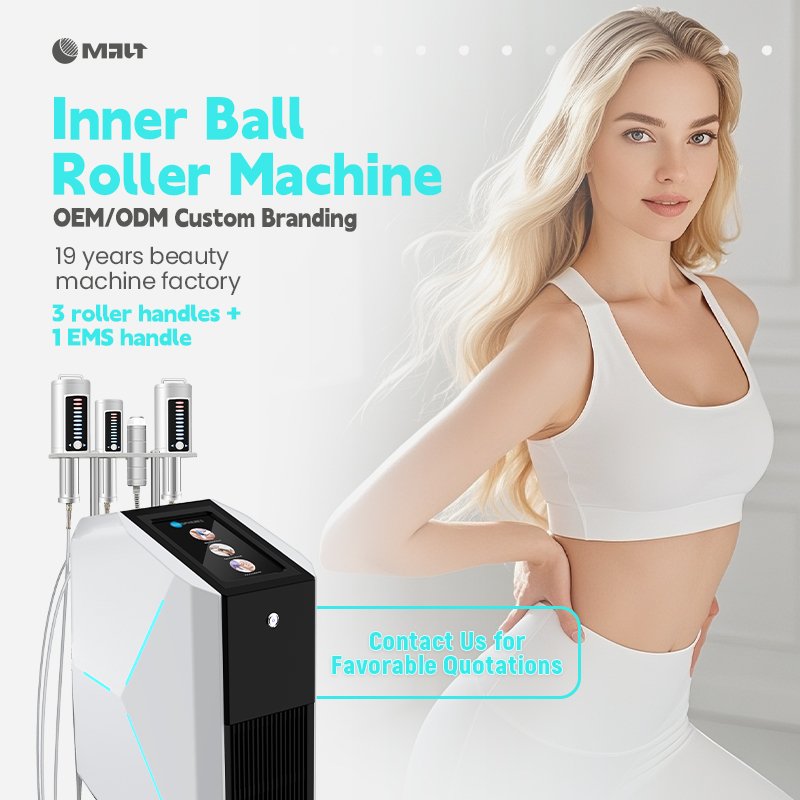
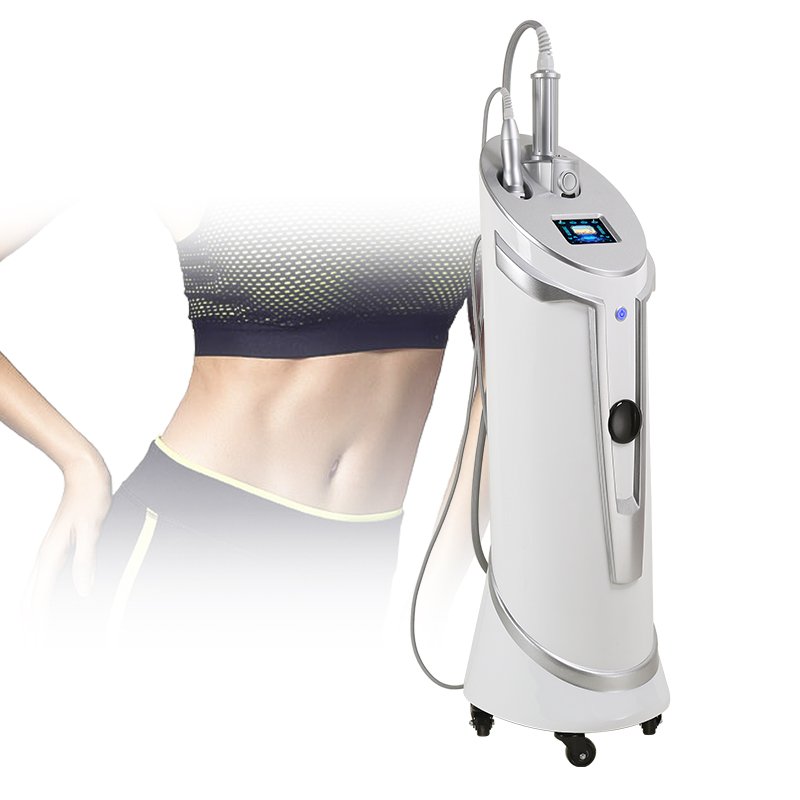
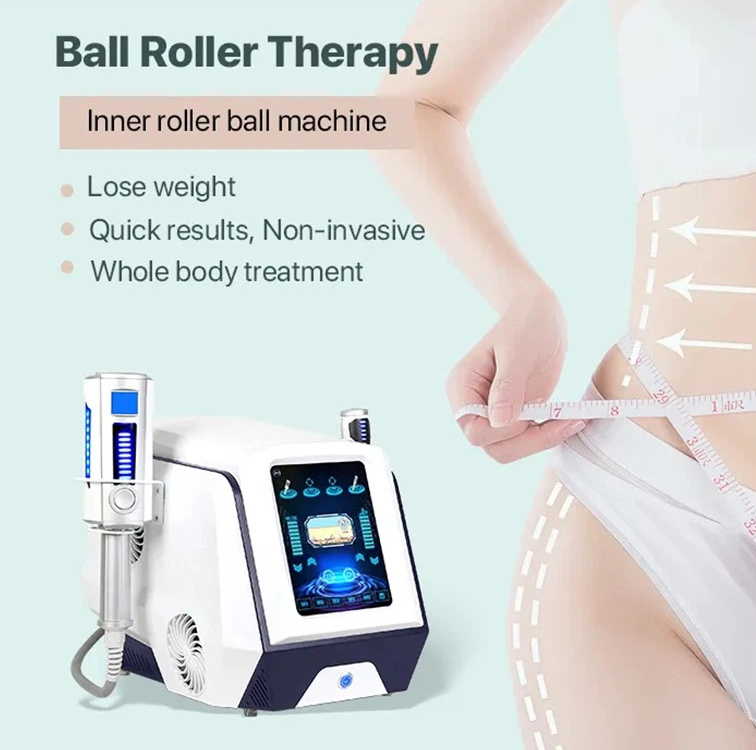
MNLT Laser manufactures the inner ball roller clinical suite with the specification required for lymphedema management across ISL Stage 0–2:
- Small roller (60–80mm): precision distal limb drainage — lower leg, forearm, face/neck
- Medium roller (100–120mm): thigh and upper arm drainage pathways
- Large roller (140–180mm): torso and proximal drainage zones
- EMS handle: supplementary muscle stimulation to activate deep lymphatic pump pathways
- 360° rotation: full directional control for proximal-direction drainage technique
- Real-time pressure sensor: consistent low-pressure delivery essential for lymphedema protocols (high pressure contraindicated)
- CE / FDA / MDR / ISO 13485: certified for clinical deployment in all regulated markets
Explore the full MNLT inner ball roller clinical configuration on the inner ball roller machine product category page.
Inquire Now
Fill out the form for more information, and an MNLT product manager will contact you shortly!
FAQ: Inner Ball Roller Machine for Lymphedema Management
Can an inner ball roller machine replace manual lymphatic drainage (MLD) for lymphedema?
No — inner ball roller compressive microvibration is a mechanical adjunct to MLD, not a replacement. Manual lymphatic drainage by a certified therapist (Vodder or Földi method) remains the gold standard for lymphedema treatment, particularly for activating deep collector vessels and lymph nodes that mechanical surface pressure cannot reach with the same precision. The clinical value of inner ball roller in lymphedema management is as a between-session maintenance tool and volume-of-service multiplier: it extends the drainage effects of MLD sessions, supports Stage 0–1 patients as a primary mechanical intervention, and enables clinics to increase lymphedema patient throughput without proportionally increasing certified therapist hours.
Which ISL lymphedema stages can be treated with inner ball roller machines?
Inner ball roller is most effective as a primary mechanical intervention for ISL Stage 0 (subclinical/preventive) and Stage 1 (reversible pitting oedema), where compressive microvibration alone can produce measurable volume reduction over 6–8 sessions. For ISL Stage 2 (irreversible, early fibrosis), inner ball roller is used as a component of complete decongestive therapy (CDT) alongside MLD, compression bandaging, exercise, and skin care — not as a standalone treatment. For Stage 3 (lymphostatic elephantiasis), inner ball roller serves a supportive and comfort role only; intensive specialist CDT is required as the primary treatment at this stage.
In which direction should the roller move during lymphedema treatment?
All roller movement during lymphedema treatment must be directed proximally — from distal (furthest from the body core) toward the regional lymph node cluster. For the leg: from foot toward the inguinal nodes (groin), passing through the popliteal nodes (knee) for below-knee work. For the arm: from hand toward the axillary nodes (armpit). Retrograde movement (distal direction) must never be used — it can push accumulated fluid further into the congested tissue and worsen oedema. This directional rule is non-negotiable and must be understood by all practitioners using the device for lymphedema treatment before the first session.
What pressure setting should be used for lymphedema treatment?
Lymphedema treatment requires light pressure settings — significantly lower than the medium-to-high settings used for cellulite or body contouring. Stage 0–1: light pressure, slow roller speed, similar to the ultra-gentle approach of manual lymphatic drainage. Stage 2: light pressure only — medium or high pressure on fibrotic tissue can cause discomfort, worsen inflammation, or damage fragile lymphatic vessels in fibrotic zones. Real-time pressure sensor feedback (available on clinical-grade inner ball roller machines like MNLT) is essential for ensuring consistent low-pressure delivery across practitioners and sessions. High pressure is contraindicated for lymphedema treatment.
Are there contraindications to inner ball roller treatment for lymphedema?
Yes — inner ball roller lymphedema treatment shares the same absolute contraindication profile as manual lymphatic drainage: active infection (cellulitis, erysipelas) in the treatment zone, active deep vein thrombosis or pulmonary embolism, active malignancy in the treatment region without oncology clearance, acute cardiac failure or cardiac oedema, and untreated swelling of unknown origin. Relative contraindications requiring medical guidance include: surgical site within 6 weeks, radiation fibrosis in the treatment zone, severe uncontrolled hypertension, and peripheral arterial disease (ABI < 0.8). A structured intake screening form aligned with MLD contraindication guidelines should be used for all lymphedema patients before treatment begins.
How many inner ball roller sessions are needed for lymphedema management?
For ISL Stage 0–1, a standard programme consists of 9 intensive sessions (3×/week for 3 weeks) followed by 8 consolidation sessions (2×/week for 4 weeks), then ongoing weekly maintenance. Measurable volume reduction in Stage 1 patients is typically documented at the 3-week assessment point. For Stage 2 integrated within CDT, inner ball roller sessions are scheduled in alignment with MLD appointments — typically 3×/week during the intensive phase, reducing to 1–2×/week for maintenance. Lymphedema is a chronic condition requiring long-term management; maintenance sessions are ongoing rather than time-limited for most patients, making it one of the highest-lifetime-value patient categories in a physical therapy or rehabilitation clinic.
What certifications does an inner ball roller machine need for clinical lymphedema treatment?
For clinical deployment in lymphedema management within regulated healthcare and rehabilitation settings, inner ball roller machines require CE marking (EU), FDA clearance (US), MDR compliance (EU Medical Device Regulation — required for clinical-grade positioning in European rehabilitation and physiotherapy practices), and ISO 13485 Quality Management System certification. In some jurisdictions, lymphedema treatment is classified as a medical rather than aesthetic procedure — check local scope-of-practice regulations for your clinic type. MNLT inner ball roller machines carry all four certifications with traceable certificate numbers verifiable through public registries. Always request certificate numbers and verify independently before purchase.
Reviewed by David Ma
CTO & Chief Engineer, MNLT Laser (Shandong Moonlight Electronics Tech Co., Ltd.)
19 years in aesthetic device manufacturing. David leads MNLT's R&D team across the full professional aesthetic device portfolio, ensuring all technical content meets the highest standards of accuracy and clinical safety.