
At a Glance
- Commercial Cryoskin and Cryo T-Shock systems marketed through North American and European brand distributors typically command retail price tags between $28,000 and $45,000, frequently bundled with mandatory franchise fees, recurring licensing, and revenue-share splits.
- Certified factory-direct procurement from medical-grade ISO 13485 manufacturers delivers identical or superior contrast thermal shock hardware (41°C warming to −2°C cooling with ±0.1°C precision) for $3,200 to $6,500 without subscription paywalls or treatment cycle lockouts.
- The operational profitability of contrast cryolipolysis is anchored by zero mandatory consumables; treatments require only standard conductive contact gel ($1.50 to $3.00 per session), delivering a gross treatment margin exceeding 99% before practitioner labor.
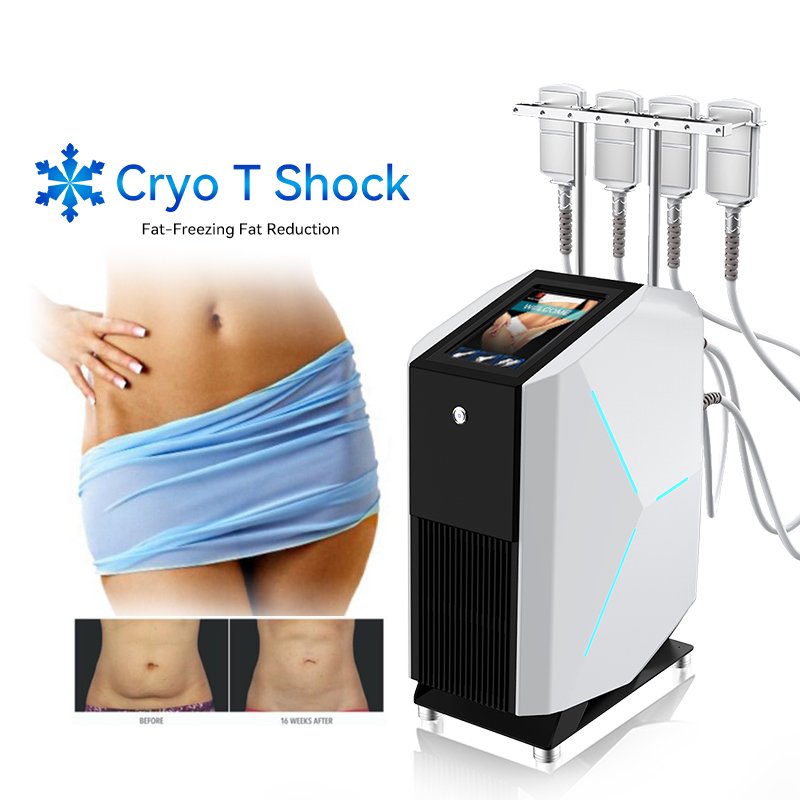
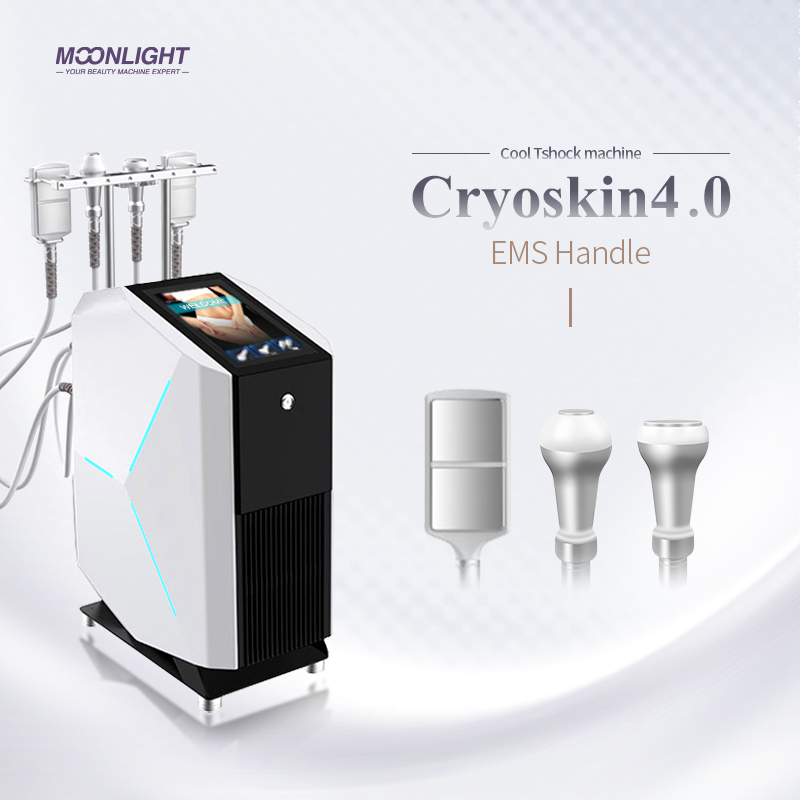
- Modern Cryoskin 4.0 platforms upgrade legacy manual-only systems by introducing multi-channel static hands-free pads alongside ergonomic manual probes, enabling clinics to treat multiple body zones simultaneously and dramatically increasing hourly treatment revenue.
- Full capital recovery on a factory-direct Cryoskin investment typically occurs within 2 to 4 weeks of clinical deployment (equivalent to selling just 3 to 5 multi-session patient packages), compared to 9 to 14 months for franchised distributor packages.
- MNLT Laser operates a 19-year medical aesthetics manufacturing infrastructure compliant with CE, FDA, EU MDR, and ISO 13485 quality standards, powering over 20,000 clinical installations across 120 countries worldwide.
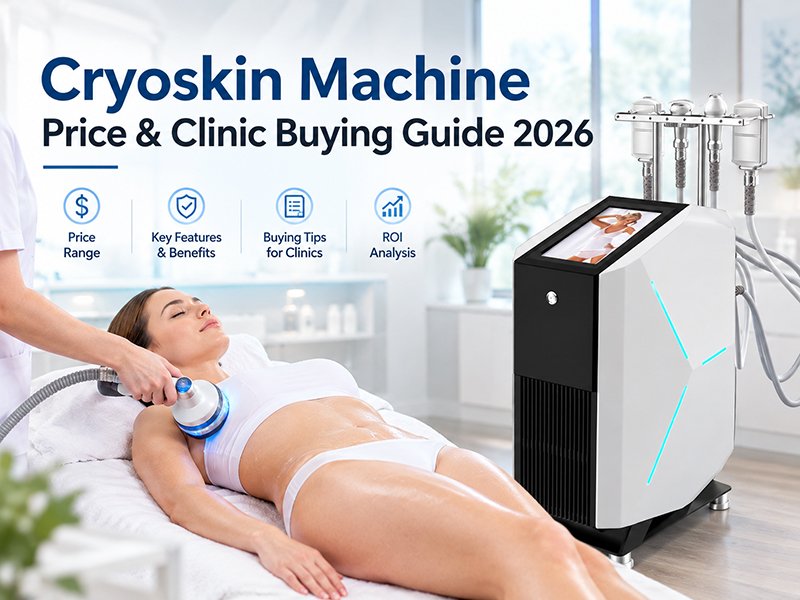
Non-invasive contrast cryolipolysis—widely popularized under brand names such as Cryoskin and Cryo T-Shock—has emerged as one of the most reliable profit centers in contemporary medical aesthetics, body sculpting centers, and high-end medspas. By alternating hyperthermic vasodilation with sub-zero thermal shock to induce targeted adipocyte apoptosis, clinics achieve visible circumference reduction and skin toning without surgical suction, bruising, or post-treatment downtime. However, practice owners and aesthetic entrepreneurs evaluating market entry face an opaque capital landscape. Western regional distributors and franchise networks routinely mark up contrast thermal devices to between 30,000and30,000and45,000, while locking clinics into restrictive software subscriptions and mandatory treatment-cycle paywalls. Conversely, sourcing open-architecture, certified clinical hardware directly from leading medical device manufacturers costs between 3,200and3,200and6,500. This comprehensive 2026 buyer’s guide breaks down true equipment price tiers, exposes hidden distributor margins, compares Cryoskin 3.0 versus 4.0 hardware architectures, and provides actionable frameworks for acquiring factory-direct systems with full regulatory protection.
The Cryoskin Pricing Matrix: Factory Direct vs. Distributor Markup
To understand why the price disparity in the Cryoskin market is so extreme, clinic decision-makers must dissect the traditional aesthetic distribution model versus direct-from-manufacturer sourcing.
The Anatomy of the Distributor & Franchise Markup
When a practice purchases a branded Cryoskin or Cryo T-Shock unit through a domestic Western distributor, the invoice rarely reflects manufacturing costs. Instead, the final retail price tag of 28,000to28,000to45,000 encompasses:
- Multi-Tier Intermediary Markups: Regional brokers, domestic marketing companies, and commissioned field sales representatives each layer 30% to 50% gross margins onto the base hardware.
- Branded Franchise Territory Surcharges: Exclusive regional “rights” and inclusion on a branded consumer directory website often carry arbitrary 5,000to5,000to10,000 premiums.
- Proprietary Software Locks (Cycle Cards): Many legacy platforms incorporate RFID cycle cards or cloud software tokens that charge the clinic 40to40to80 every time a technician presses “Start,” artificially engineering a recurring consumable stream where none biologically exists.
The Factory-Direct Model
In contrast, established original equipment manufacturers (OEMs) like MNLT Laser build contrast cryolipolysis platforms in medical-grade cleanrooms, using imported refrigeration components and industrial Peltier modules. By acquiring equipment directly from the manufacturing source, aesthetic practices acquire the identical thermal shock mechanism—complete with CE, US FDA, EU MDR, and ISO 13485 certifications—for 3,200to3,200to6,500 with lifetime unlocked software.
| Cost & Operational Parameter | Western Branded Distributor Model | MNLT Factory-Direct Model |
|---|---|---|
| Initial Equipment Acquisition | $28,000 – $45,000 | $3,200 – $6,500 (complete clinic suite) |
| Recurring Licensing / Franchise Fees | $200 – $500 / month or revenue-share | $0.00 (100% clinic ownership, zero royalty) |
| Software Paywalls (Cycle Cards) | $40 – $80 per treatment cycle | $0.00 (unrestricted lifetime unlocked OS) |
| Mandatory Proprietary Consumables | Branded gels ($35 – $60 per bottle) | Open standard ultrasound/thermal gel ($2/session) |
| Gross Margin per Session (Retail $300) | 65% – 75% (eroded by card fees & royalty) | 99.3% (exclusive of staff hourly wage) |
| Client Packages to Break Even ($1,500 avg) | 20 to 30 complete client packages | 3 to 5 complete client packages |
| Estimated Capital Amortization Window | 9 to 14 months (at 2 packages sold/week) | 2 to 4 weeks (at 2 packages sold/week) |
| Private Label / Custom Branding (OEM) | Strictly prohibited (franchise contract) | Fully supported (custom chassis, UI & logo) |

Hardware Generations: Cryoskin 3.0 vs. Cryoskin 4.0
When evaluating equipment specifications, clinic purchasers must distinguish between hardware generations. While both systems utilize contrast thermal lipolysis, the ergonomic and throughput upgrades introduced in Cryoskin 4.0 significantly expand daily treatment capacity.
Cryoskin 3.0: The Classic Manual Standard
The 3.0 platform architecture is characterized by a single thermal probe system that requires an esthetician to remain hands-on throughout the entire 28- to 44-minute protocol:
- Operating Modalities: Includes pre-programmed software modes for CryoSlimming (sub-zero thermal shock for localized fat elimination), CryoToning (mild cooling for dermal tightening and microcirculation), and CryoFacial (precision lifting).
- Workforce Utilization: Highly operator-dependent. While ideal for high-touch luxury spas emphasizing sensory massage, it restricts the practitioner from attending to other clients during treatment.
Cryoskin 4.0: Hands-Free Static Arrays & Simultaneous Multi-Zone Sculpting
The modern Cryoskin 4.0 machine fundamentally transforms practice economics by integrating dual-channel processing:
- Static Cryo Pads: Equipped with 4 to 8 hands-free thermoelectric cooling pads secured by medical elastic bands. Once positioned on the abdomen, flanks, or thighs, the device executes the automated thermal shock cycle unattended.
- Simultaneous Hybrid Delivery: A single technician can secure hands-free pads to a client’s abdomen to run an active slimming cycle while concurrently performing a manual Cryoskin facial treatment using the ergonomic wand, effectively doubling treatment ticket revenue in a single room hour.
| Technical Specification | Cryoskin 3.0 (Manual Architecture) | Cryoskin 4.0 (Dual Hybrid Architecture) |
|---|---|---|
| Applicator Configuration | 1 manual body wand + 1 facial wand | 1 manual body wand + 1 facial wand + 4–8 static pads |
| Hands-Free Operation Capability | No (100% technician hands-on required) | Yes (static pads run automated protocols) |
| Temperature Range | 41°C to −2°C | 45°C to −4°C (expanded dynamic range) |
| Refrigeration System | Standard liquid recirculating peltier chiller | Japanese imported dual-compressor active cooling |
| Temperature Regulation Precision | ±0.5°C dynamic tolerance | ±0.1°C real-time digital sensor feedback |
| Simultaneous Multi-Zone Treatment | Single zone only per booking | Dual-zone (e.g., bilateral thighs or belly + face) |
| User Interface & Display | 10.4-inch color touchscreen | 15.6-inch Android 4K smart interactive touch UI |
| Typical Factory Direct Price | $3,200 – $4,200 | $4,800 – $6,500 |
Technical Evaluation Checklist: 5 Hardware Must-Haves
Before issuing payment to any equipment supplier, clinic medical directors and procurement leads must audit five critical technical specifications to ensure patient safety and device longevity:
- Refrigeration Architecture (Compressor vs. Cheap Peltier): Low-cost imitation units rely exclusively on small thermoelectric Peltier chips with inadequate heat dissipation, causing the wand to lose cooling power 15 minutes into a session. Ensure the device incorporates an industrial-grade compressor system (ideally imported Japanese Panasonic or equivalent) capable of continuous multi-hour thermal switching without thermal throttling.
- Temperature Sensor Accuracy (±0.1°C): Cryolipolysis relies on an exact biological window: lipid crystallizes below +4°C, but cutaneous tissue suffers frostbite risk if temperatures fall uncontrolled below −4°C. The handpiece must house dual internal infrared sensors transmitting real-time dermal temperature back to the CPU to automatically throttle power if skin approaches hazardous extremes.
- Ergonomic Wand Weight and Glide Coating: Technicians performing multiple manual sessions daily are prone to repetitive strain injuries. Inspect applicator weight (ideally under 1.1 kg) and verify that the contact plate is machined from medical-grade aviation aluminum or mirror-polished stainless steel to ensure zero drag across gel-lubricated skin.
- Open-Architecture Operating System: Ensure the machine runs on an open-architecture operating system with zero card slots or remote network kill-switches. Confirm in writing that the software is 100% unlocked with lifetime free firmware updates.
- Verifiable Global Compliance Certificates: Do not accept low-resolution certificate snapshots. Require the manufacturer to provide traceable certificate numbers for CE (Medical Device Directive/MDR), US FDA 510(k), and ISO 13485 quality systems that can be independently validated in official notified body databases.
To review clinical ROI projections and monthly cash-flow modeling across varied aesthetic business structures, study our comprehensive Cryoskin clinic ROI and revenue break-even guide.
Market Positioning: Cryoskin vs. Legacy Vacuum Cryolipolysis
Practice owners frequently ask whether contrast thermal shock can replace or outperform traditional suction-cup cryolipolysis platforms like CoolSculpting. The market reality in 2026 demonstrates that Cryoskin offers superior patient satisfaction and vastly superior clinic unit economics:
- Patient Comfort: Traditional cryolipolysis uses violent negative pressure to pull tissue into rigid vacuum cups, causing intense ischemic pain, significant post-treatment bruising, and numbness lasting weeks. Cryoskin uses smooth manual gliding or flat static pads, creating an experience patients frequently compare to a soothing cold-stone massage.
- Paradoxical Adipose Hyperplasia (PAH) Risk: The most feared complication of suction-cup cryolipolysis is PAH—a permanent, hard fat enlargement that occurs in roughly 1 out of every 2,000 suction treatments, requiring surgical excision. Because Cryoskin utilizes dynamic thermal shock without tissue traction, the incidence of PAH is non-existent in clinical literature.
- Consumable Burden: Legacy cryolipolysis machines charge clinics 150to150to250 for single-use consumable cards per applicator cycle. Contrast cryolipolysis requires zero proprietary cards, preserving near-100% gross profit for the practice.
For a thorough side-by-side clinical breakdown of these two technologies, read our in-depth analysis of Cryoskin vs CoolSculpting for clinic profitability and results.
Why Leading Aesthetic Practices Partner with MNLT Laser
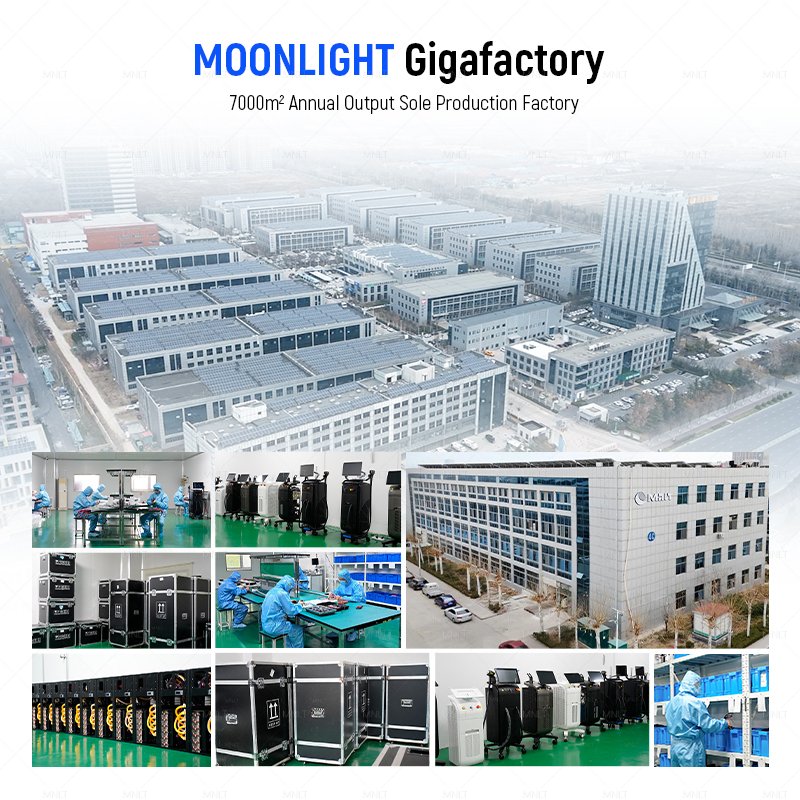
For over 19 years, MNLT Laser (Shandong Moonlight Electronic Technology Co., Ltd.) has engineered, manufactured, and supported professional aesthetic medical hardware for more than 20,000 clinics and distributors across 120 countries.
- Engineering Excellence: MNLT Cryoskin platforms integrate dual Japanese-imported compression refrigeration units paired with high-frequency electronic switching, guaranteeing rock-solid temperature stability from 45°C down to −4°C with ±0.1°C precision.
- Complete Regulatory Integrity: All devices carry authentic, traceable certifications under CE, US FDA, EU MDR, and ISO 13485 manufacturing standards, providing complete compliance for clinic insurance and local health board inspections.
- Zero Software Locks: MNLT guarantees completely unrestricted operating systems—no RFID cycle cards, no software countdowns, no subscription paywalls, and no franchise restrictions.
- Comprehensive 360° Partner Support: Factory-direct purchasing includes standardized clinical protocol manuals, client consultation intake forms, digital marketing collateral, and a 2-year comprehensive hardware warranty backed by 24/7 technical engineering dispatch.
Explore our full commercial slimming equipment line on the Cryoskin machine category page, or contact MNLT’s international medical engineering team today to receive an itemized factory-direct quote and complete clinical technical dossier.
Inquire Now
Fill out the form for more information, and an MNLT product manager will contact you shortly!
Frequently Asked Questions: Cryoskin Machine Sourcing & ROI
Why is the price difference between distributor Cryoskin machines and factory-direct units so large?
The dramatic price gap—typically $28,000 to $45,000 from domestic distributors versus $3,200 to $6,500 factory-direct from certified manufacturers like MNLT—is driven almost entirely by distribution overhead, multi-tier sales commissions, exclusive territorial franchise fees, and branded consumer marketing surcharges. The underlying physical hardware, utilizing precision thermoelectric modules and industrial compression refrigeration compliant with ISO 13485 and CE/FDA standards, is identical in therapeutic efficacy. Sourcing factory-direct bypasses these non-clinical markups while providing identical clinical results and unlocked software.
Are there recurring consumable costs or treatment paywall cards with MNLT Cryoskin machines?
No. MNLT Laser builds open-architecture medical hardware with zero software locks, zero RFID treatment cycle cards, and zero mandatory franchise subscriptions. The only consumable required to perform contrast cryolipolysis is standard cosmetic conductive thermal/ultrasound gel, which costs approximately $1.50 to $3.00 per session. Practices retain 100% of their treatment revenue without paying per-click fees or monthly royalties.
What is the clinical difference between Cryoskin 3.0 and Cryoskin 4.0?
The fundamental therapeutic difference lies in automation and practitioner hands-on commitment. Cryoskin 3.0 is a manual-only device requiring a trained esthetician to guide the wand across the treatment area throughout the entire 30- to 40-minute session. Cryoskin 4.0 adds 4 to 8 static, hands-free cooling pads that run programmed contrast cycles automatically once strapped to the client. This allows practitioners to deliver simultaneous multi-zone slimming (e.g., abdomen and thighs) or provide hands-free slimming in one room while treating another patient, effectively doubling hourly clinic throughput.
How fast can a new aesthetic clinic recoup the investment on a factory-direct Cryoskin machine?
At an average factory-direct acquisition cost of $4,500 and a typical retail market price of $250 to $350 per session (or $1,200 to $1,500 for a 5-session package), a clinic achieves 100% capital break-even after selling just 3 to 4 client packages. For a newly established practice enrolling only 2 new body sculpting clients per week, full capital amortization occurs in under 3 weeks. By contrast, a $35,000 distributor machine requires 25 to 30 packages sold, typically taking 9 to 14 months to break even.
What regulatory certifications are mandatory for operating a Cryoskin device legally?
Aesthetic clinics operating in regulated markets (US, UK, EU, Australia, Middle East) must verify that their equipment carries CE marking (EU), US FDA 510(k) clearance or listing, EU MDR compliance, and ISO 13485 Medical Device Quality Management System certification. Always require the manufacturer to provide verifiable, traceable certificate numbers that can be independently audited in official notified body registries to ensure legal commercial operation and insurance liability compliance.
Does contrast thermal cryolipolysis carry any risk of Paradoxical Adipose Hyperplasia (PAH)?
No. Paradoxical Adipose Hyperplasia (PAH)—the abnormal enlargement and hardening of fat tissue following cryolipolysis—is an adverse effect documented almost exclusively with static negative-pressure vacuum suction cups (such as CoolSculpting), occurring in approximately 1 out of 2,000 treatments. Because Cryoskin uses dynamic, non-suction manual wand gliding or flat contact pads paired with initial thermal warming, tissue ischemia and traction damage are eliminated, and zero verified cases of PAH have been recorded with contrast thermal shock systems.
What warranty and technical support are provided with direct factory orders?
MNLT Laser provides a comprehensive 2-year complete hardware warranty on all commercial Cryoskin platforms. Our manufacturing facility maintains a dedicated international engineering support team providing 24/7 video diagnostics and rapid DHL/FedEx dispatch of plug-and-play modular replacement components. Because our machines utilize modular internal architecture, over 98% of technical issues can be resolved within 48 hours without shipping the chassis back to the factory.
Reviewed by David Ma
CTO & Chief Engineer, MNLT Laser (Shandong Moonlight Electronics Tech Co., Ltd.)
19 years in aesthetic device manufacturing. David leads MNLT's R&D team across the full professional aesthetic device portfolio, ensuring all technical content meets the highest standards of accuracy and clinical safety.