

At a Glance
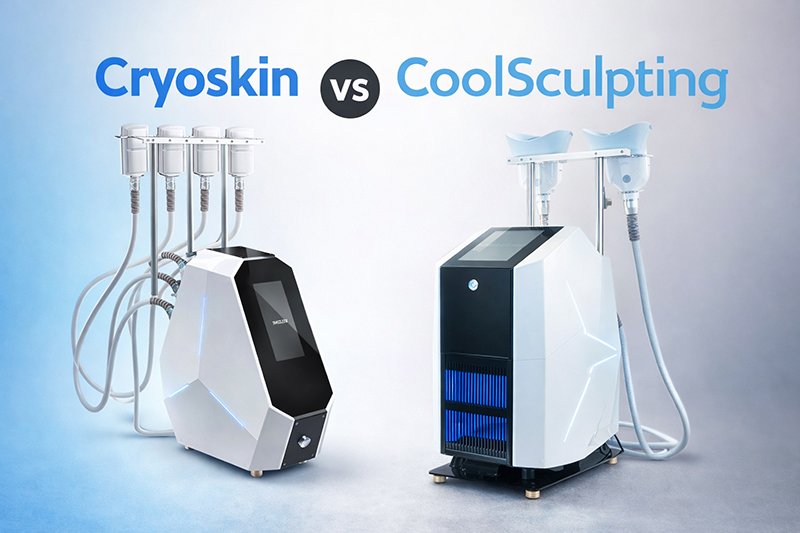
- CoolSculpting utilizes static negative-pressure vacuum suction cups to cool subcutaneous adipose tissue down to -11°C, while Cryoskin employs dynamic thermal shock technology alternating between warm heat (+41°C) and controlled sub-zero cooling (-2°C) via a mobile operator wand.
- The primary clinical risk of vacuum-assisted cryolipolysis is Paradoxical Adipose Hyperplasia (PAH)—an irreversible, hardened proliferation of fat cells occurring in up to 1 out of every 138 treatments—a complication virtually eliminated by Cryoskin's non-suction, thermal contrast application.
- Traditional CoolSculpting relies on proprietary single-use RFID treatment cycle cards and gel pads costing clinics $125 to $375 per applicator cycle, severely limiting clinic profit margins, whereas Cryoskin operates with zero mandatory per-treatment consumable fees.
- Initial capital equipment procurement costs for CoolSculpting range from $75,000 to $140,000 through regional brand distributors, compared to certified factory-direct Cryoskin workstations priced between $4,500 and $7,800.
- A clinic performing 3 body contouring treatments daily at an average package rate of $1,500 (5 sessions) achieves 100% capital break-even on a Cryoskin workstation within 18 to 28 operating days, compared to 9 to 14 months for vacuum cryolipolysis systems.
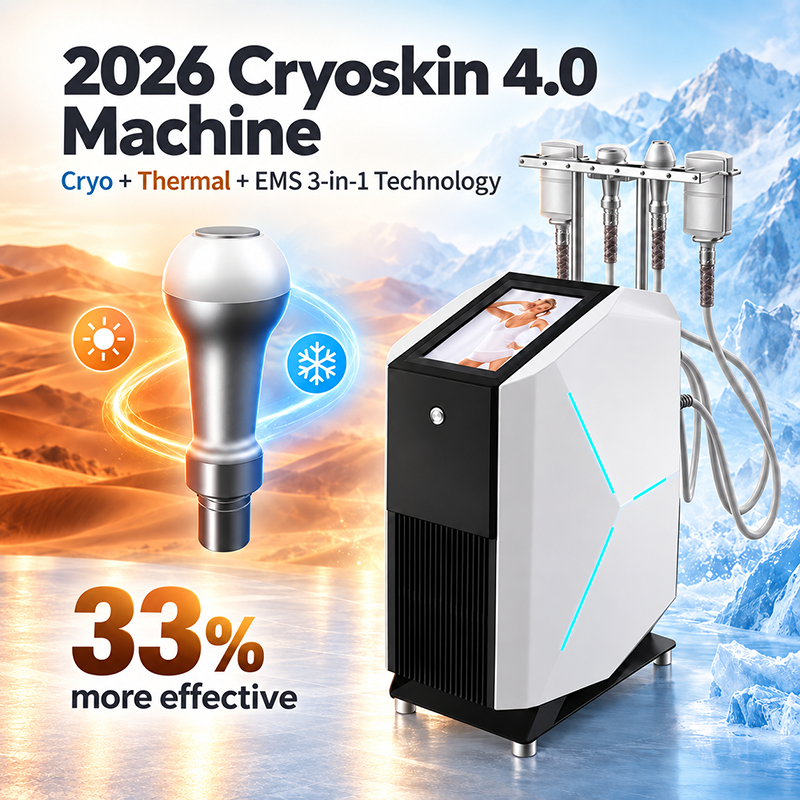
- In addition to focal fat reduction (CryoSlimming), Cryoskin supports skin tightening (CryoToning) and anti-aging facial rejuvenation (CryoFacial) across all anatomical contours without requiring multiple dedicated suction hardware cups.
- MNLT Laser (Shandong Moonlight Electronic Technology Co., Ltd.) brings 19 years of professional aesthetic device manufacturing experience, verified by international CE, ISO 13485, and global clinical compliance.
What Is Cryoskin and How Does It Work?
Cryoskin is based on a thermal shock process that alternates between warm and cold temperatures. This rapid change stimulates circulation, encourages fat metabolism, and supports collagen production.
Key characteristics of Cryoskin:
Alternating heat and cold therapy
Comfortable, massage-like treatment experience
No downtime after sessions
Suitable for both body and facial treatments
Cryoskin is often chosen by clients who want gradual, natural-looking improvements rather than aggressive fat removal.
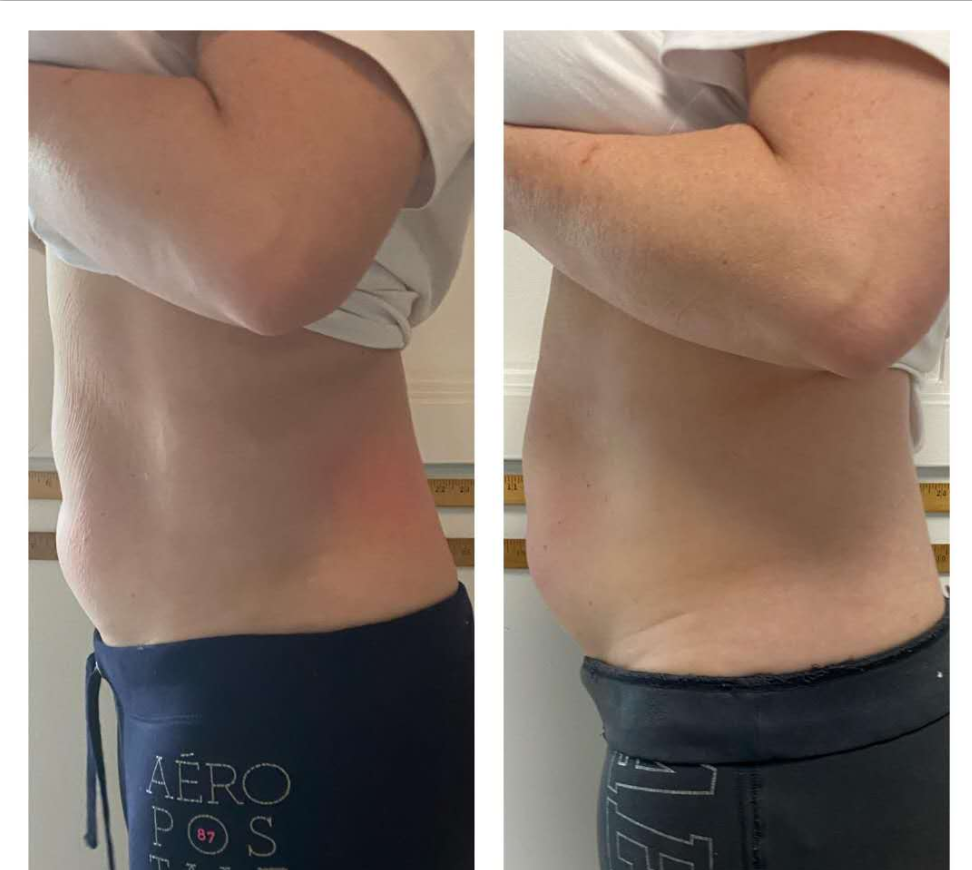
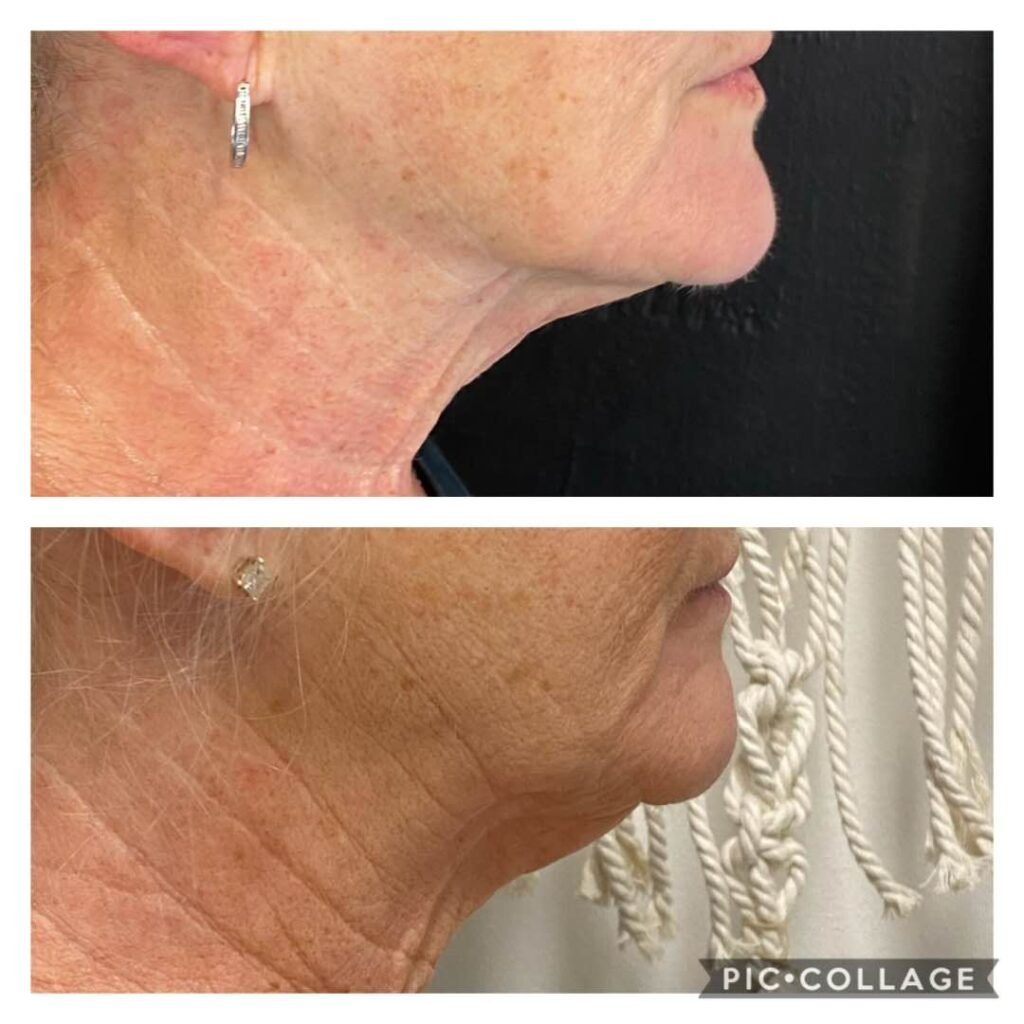
You can explore typical treatment outcomes in cryoskin before and after results
What Is CoolSculpting and How Does It Work?
CoolSculpting uses a process called cryolipolysis, which freezes fat cells at a constant low temperature. The goal is to damage fat cells so the body gradually eliminates them over time.
Key characteristics of CoolSculpting:
Static fat freezing technology
Longer session times (typically 35–60 minutes)
Possible numbness or discomfort during treatment
Focused mainly on fat reduction
CoolSculpting is widely known as a branded treatment, often associated with medical clinics.
Cryoskin vs CoolSculpting: Key Differences Explained
Understanding the core differences helps both clients and business owners make better decisions.
1. Treatment Experience: Comfort vs Intensity
Cryoskin treatments feel more like a warm and cold massage, making them easier for clients to tolerate.
CoolSculpting, on the other hand, involves prolonged exposure to freezing temperatures, which can cause:
Pulling sensations
Temporary numbness
Mild discomfort during and after treatment
For clients sensitive to discomfort, Cryoskin is generally the preferred option.
2. Results: Gradual vs Aggressive Fat Reduction
Both technologies aim to reduce fat, but the process is different.
Cryoskin: stimulates natural fat metabolism over multiple sessions
CoolSculpting: freezes fat cells for gradual elimination
Cryoskin results tend to look more natural because they develop over time.
Learn more about realistic expectations in cryoskin before and after results
3. Treatment Time and Frequency
Cryoskin: shorter sessions (20–40 minutes), multiple sessions recommended
CoolSculpting: longer sessions, fewer treatments but more intense
Cryoskin allows more flexible scheduling and higher daily client capacity for clinics.
4. Cost Comparison: Investment and Profitability
Cryoskin machines (factory direct): 3,000–3,000–6,000, zero consumable costs per session. CoolSculpting equipment: 100,000–100,000–150,000+, plus 150–150–300 per applicator cycle in ongoing consumable costs.
| Financial & Operational Variable | Traditional CoolSculpting | MNLT Cryoskin Workstation |
|---|---|---|
| Initial Capital Equipment Cost | $95,000 (Base commercial dual-port) | $5,800 (Factory-direct turnkey) |
| Average Patient Treatment Fee (B2C) | $750 per applicator cycle | $300 per session / $1,200 (5-pack) |
| Direct Consumable Outlay per Session | $250 (RFID card + gel membrane) | $2.50 (Conductive coupling gel) |
| Net Contribution Margin / Session | $500.00 (66.7% margin) | $297.50 (99.1% margin) |
| Conservative Volume (3 sessions / day, 22 days) | 66 completed cycles / month | 66 completed sessions / month |
| Gross Monthly Operating Revenue | $49,500 / month | $19,800 / month |
| Monthly Consumable Deduction | -$16,500 / month | -$165 / month |
| Net Operating Cash Flow / Month | $33,000 / month | $19,635 / month |
| Full Capital Payback Period | Approx. 2.9 to 4.5 Operating Months | Approx. 8 to 12 Operating Days |
5. ROI for Clinics and Salons
Cryoskin typically offers:
Lower equipment cost
Lower maintenance cost
Faster return on investment
More treatment flexibility
CoolSculpting often requires:
High initial investment
Branding-related costs
Higher pricing pressure in competitive markets
This is why many salon owners consider Cryoskin a more scalable solution.
| Engineering & Clinical Parameter | CoolSculpting (Allergan) | Cryoskin Thermal Shock Workstation |
|---|---|---|
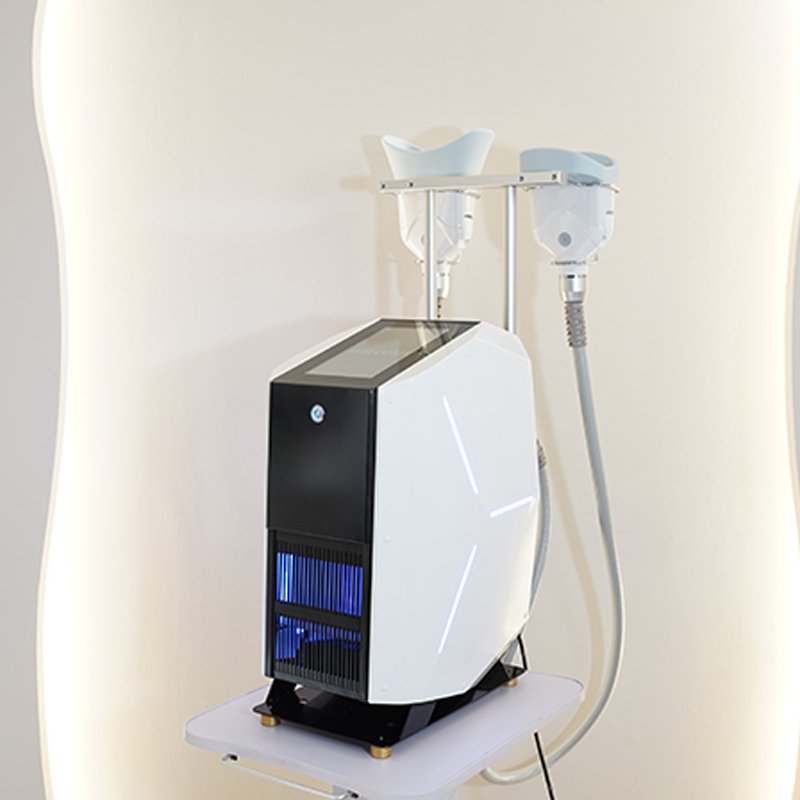
| Therapeutic Delivery Method | Static vacuum suction cups | Dynamic handheld operator wand + Static pads |
| Operating Temperature Range | -10°C to -11°C (Continuous static cold) | +41°C (Heat) down to -2°C (Thermal Shock) |
| Treatment Capabilities | Subcutaneous fat debulking only | 3-in-1: CryoSlimming, CryoToning, CryoFacial |
| Risk of Paradoxical Adipose Hyperplasia (PAH) | Present (Estimated 1:138 to 1:500 patients) | 0% (Zero documented cases worldwide) |
| Post-Treatment Downtime & Discomfort | Moderate; prolonged bruising, numbness for weeks | Zero downtime; immediate return to normal activity |
| Treatable Anatomical Zones | Pinchable fat zones only (Abdomen, flanks, thighs) | Universal: Any zone, double chin, neck, facial skin |
| Skin Tightening & Cellulite Reduction | Minimal; can leave skin lax after volume loss | Exceptional; thermal contrast stimulates collagen |
| Per-Session Consumables Fee (Clinic Cost) | $125 – $375 per cycle (RFID card + gel pad) | $0 (Requires only standard conductive gel) |
| Initial Capital Equipment Purchase Cost | $75,000 – $140,000 (Distributor retail) | $4,500 – $7,800 (Factory-direct turnkey) |
| Average Capital Payback Window | 9 – 14 Operating Months | 18 – 28 Operating Days |
Cryoskin vs CoolSculpting: Which Is More Effective?
Effectiveness depends on expectations.
Cryoskin is better for:
- Mild to moderate fat reduction
- Skin tightening
- Clients seeking comfort and gradual results
CoolSculpting is better for:
- More aggressive fat targeting
- Clients willing to tolerate discomfort
- Fewer sessions with stronger intensity
In practice, many clients prefer Cryoskin because it combines effectiveness with comfort.
Safety and Side Effects Comparison
Cryoskin:
- Because the treatment uses a moving wand without vacuum suction, there is no documented risk of PAH. Side effects are typically limited to temporary redness or mild sensitivity resolving within a few hours.
CoolSculpting:
- Possible numbness, bruising, or swelling lasting 1–3 days
- A small percentage of patients (0.033%–0.39%) experience Paradoxical Adipose Hyperplasia (PAH) — a condition where fat cells enlarge rather than reduce after treatment. PAH does not resolve on its own and typically requires surgical correction. The FDA has received documented reports of this adverse event. You can review the public record at the FDA MAUDE database.
Which One Is Better for Your Business?
If you’re a salon owner or distributor, the decision goes beyond treatment results.
Choose Cryoskin if you want:
Lower startup cost
Faster ROI
Multi-function treatments (body + facial)
High client comfort and retention
Explore professional options: professional cryoskin machine
Choose CoolSculpting if you want:
Strong brand recognition
Medical-grade positioning
Higher single-session pricing
Final Verdict: Cryoskin vs CoolSculpting
There is no one-size-fits-all answer—but for most modern beauty businesses, Cryoskin offers a better balance of:
Cost
Comfort
Flexibility
Profitability
CoolSculpting remains a well-known option, but its higher investment and more intense treatment experience can limit accessibility for many clients.
Conclusion: Cryoskin vs CoolSculpting — Which One Should You Choose?
Both Cryoskin and CoolSculpting are effective non-invasive body contouring treatments, but they serve different needs.
Cryoskin stands out for its comfort, flexibility, and lower investment barrier, making it especially attractive for modern salons and clinics. CoolSculpting, while well-known, often requires a higher upfront cost and delivers a more intense treatment experience.
For most businesses looking to balance results, client satisfaction, and profitability, Cryoskin offers a more practical and scalable solution.
If you’re considering adding this technology to your services, choosing a reliable professional cryoskin machine is a critical first step.
Frequently Asked Questions: Cryoskin vs. CoolSculpting
Why is Cryoskin considered safer than CoolSculpting regarding Paradoxical Adipose Hyperplasia (PAH)?
Paradoxical Adipose Hyperplasia (PAH) is an adverse complication primarily associated with static vacuum-assisted cryolipolysis, where intense suction combined with sub-zero freezing causes fat cells to expand and harden into an irreversible mass. Cryoskin eliminates vacuum suction entirely; the treatment utilizes a dynamic, smoothly glided operator wand that applies thermal contrast without creating localized tissue ischemia. Consequently, there have been zero reported cases of PAH with Cryoskin thermal shock therapy worldwide.
Does a Cryoskin machine require recurring consumable cycle card fees?
No. Unlike CoolSculpting, which requires clinics to purchase proprietary RFID cards and single-use gel pads costing $125 to $375 per cycle, MNLT Cryoskin platforms operate on an open-access model with zero consumable fees. The only operational supply required is standard medical-grade conductive transmission gel (costing approximately $2.50 per session), allowing clinics to retain over 99% of treatment revenue.
How many treatment sessions do patients need to see visible fat reduction with Cryoskin?
Most clinical protocols recommend a series of 5 CryoSlimming sessions spaced 14 days apart. This spacing allows the lymphatic system adequate time to process and eliminate the crystallized, apoptotic fat cells. Patients typically observe measurable circumferential reduction after the second session, with final results maturing 8 to 12 weeks after the final treatment.
Can Cryoskin treat facial skin and cellulite in addition to abdominal fat?
Yes. Because Cryoskin does not rely on rigid suction cups, it can treat virtually any anatomical region. In addition to focal fat reduction (CryoSlimming), the system features CryoToning protocols designed to firm lax tissue and smooth cellulite dimples on the thighs and buttocks, as well as CryoFacial modes that stimulate collagen production, tighten jowls, and diminish fine facial lines with zero downtime.
What routine maintenance does an MNLT Cryoskin workstation require?
MNLT Cryoskin workstations are engineered for low-maintenance commercial operation. Daily upkeep involves sanitizing the handheld treatment wands with hospital-grade non-alcohol disinfectant wipes after each patient. Routine maintenance consists of inspecting coolant levels in the internal closed-loop circuit and changing the deionized cooling fluid every 6 months to maintain optimal thermal heat exchange.
Reviewed by David Ma
CTO & Chief Engineer, MNLT Laser (Shandong Moonlight Electronic Technology Co., Ltd.)
19 years of professional aesthetic device manufacturing experience. David oversees MNLT's R&D engineering laboratories, directing thermal contrast cryolipolysis innovation, semiconductor Peltier quality control, and clinical safety compliance across international aesthetic markets.