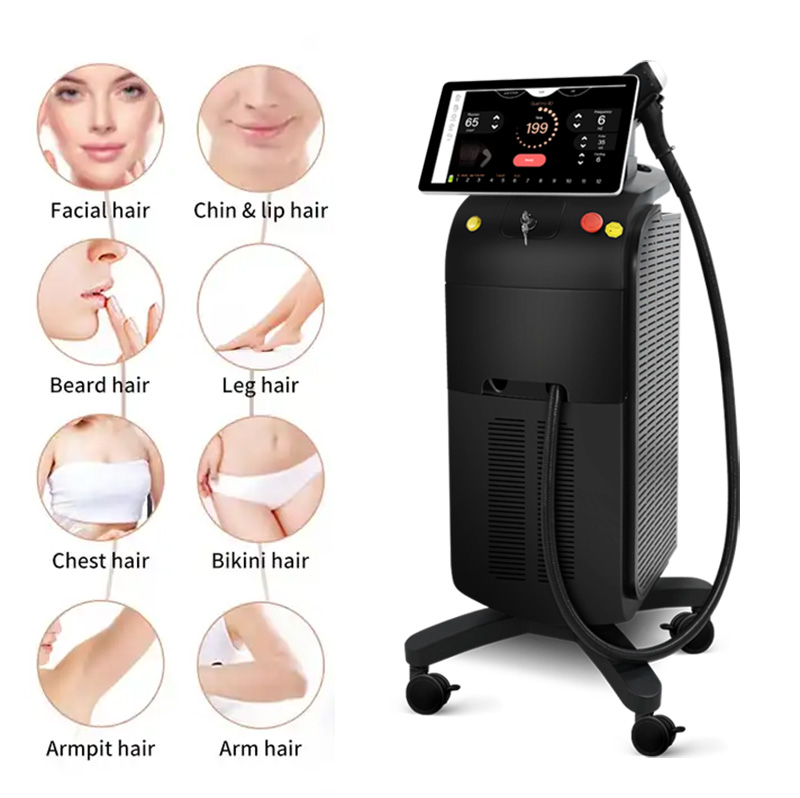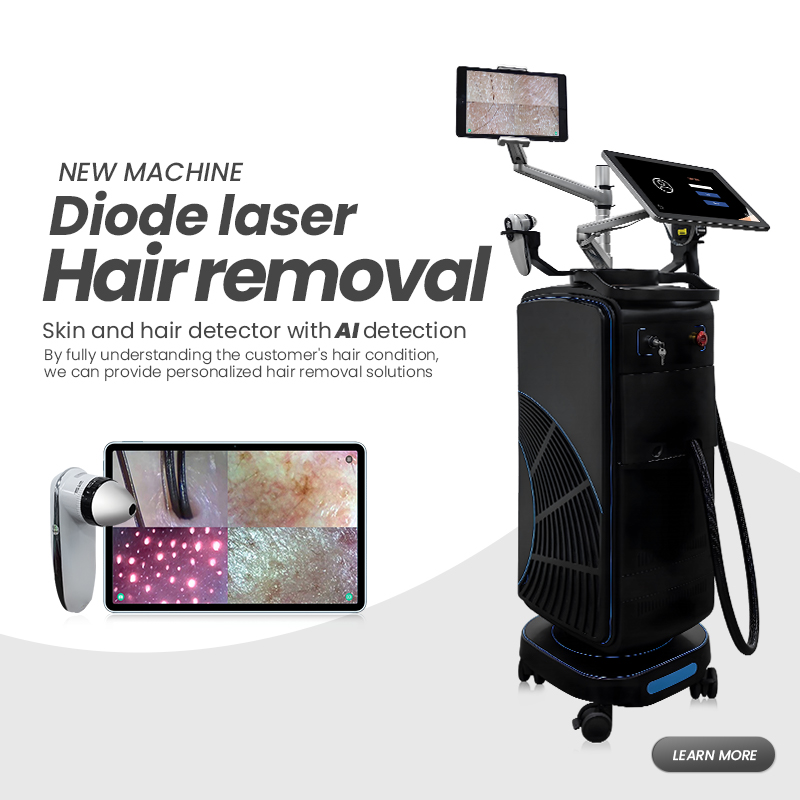
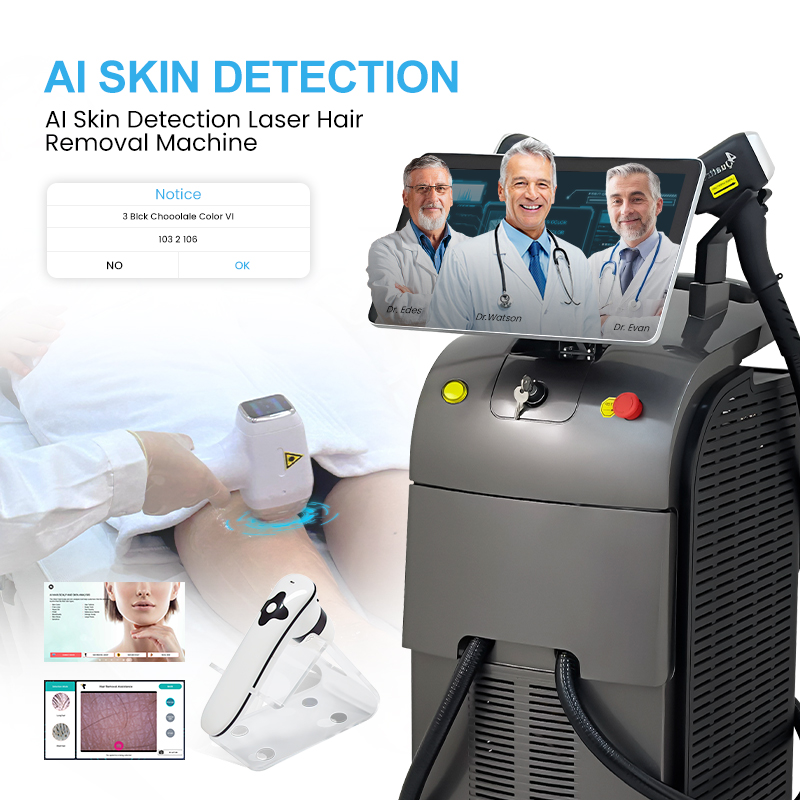
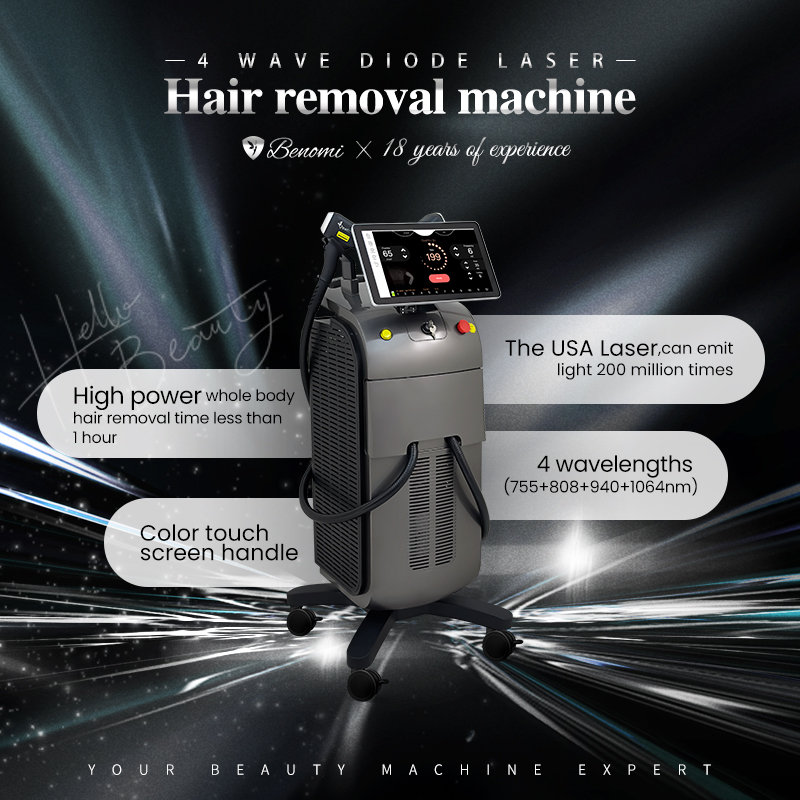
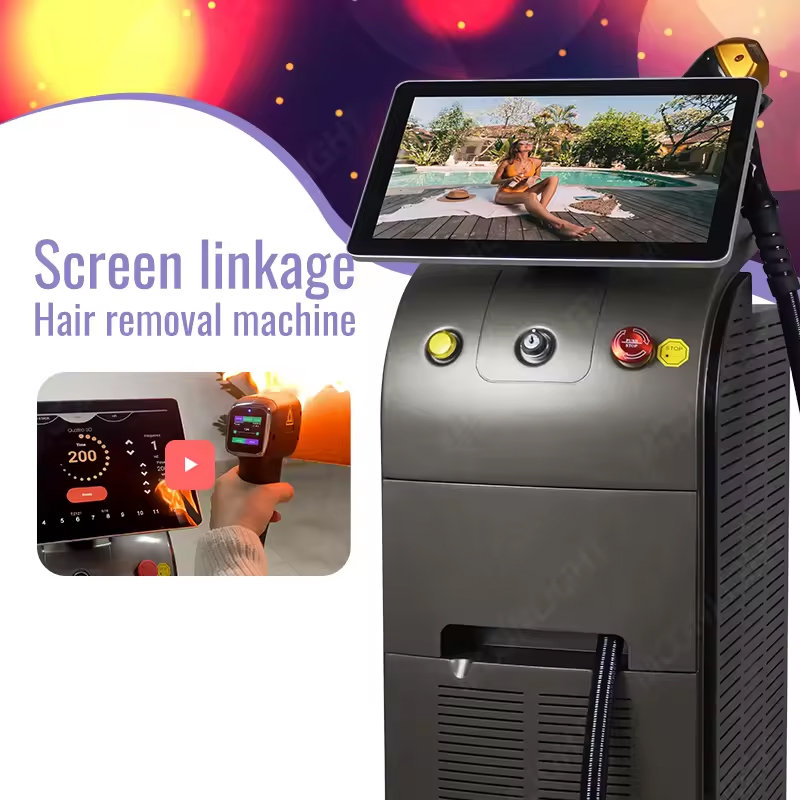
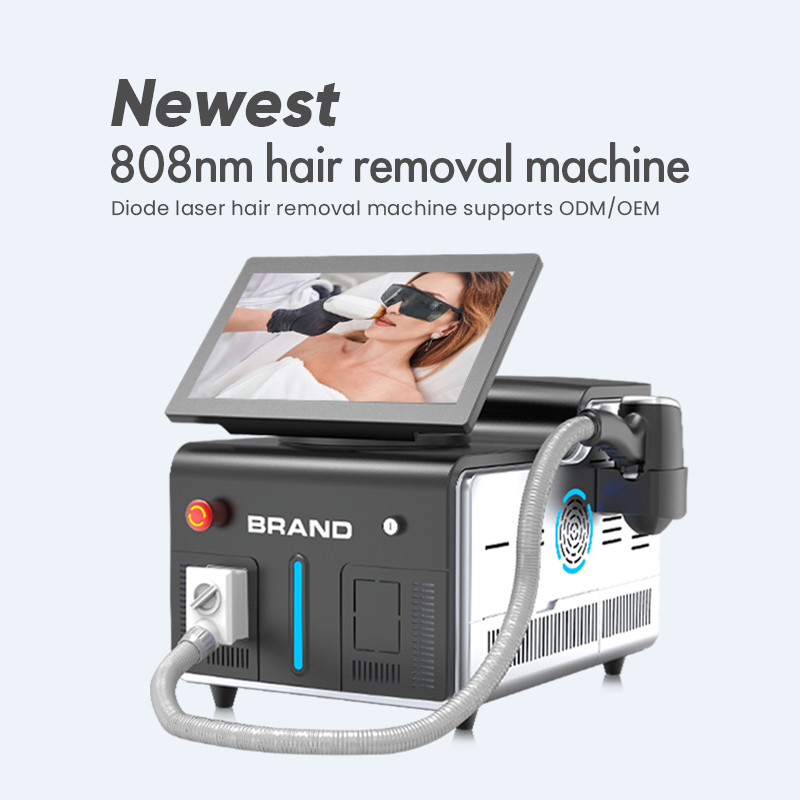
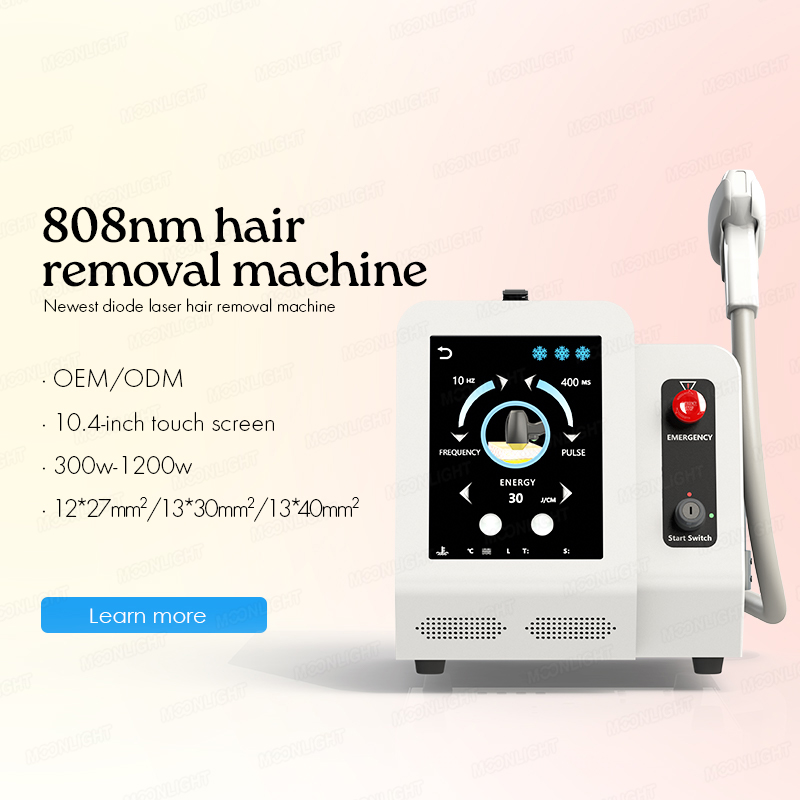
Choosing a laser hair removal machine requires evaluating technology, wavelength configuration, cooling systems, energy stability, treatment efficiency and ROI. This professional buying guide helps clinics select reliable laser hair removal equipment for long-term business growth.

Laser hair removal has become one of the most profitable aesthetic treatments worldwide. For beauty salons, dermatology clinics, and medical spas, investing in the right device is not just a technical decision — it is a strategic business investment.
A high-quality system can deliver faster treatments, higher client satisfaction, and stronger long-term revenue. On the other hand, choosing the wrong equipment can lead to unstable results, frequent maintenance, and lost customers.
This guide explains how to evaluate different technologies, key technical parameters, and business considerations when purchasing a laser hair removal machine for clinics.
Why Choosing the Right Laser Hair Removal Machine Matters
For many clinics, hair removal treatments represent a stable and recurring revenue source.
Unlike seasonal treatments, laser hair removal services are in demand throughout the year. Clients usually require multiple sessions, which creates predictable income for clinics.
However, treatment efficiency and patient satisfaction depend heavily on the technology used.
Modern advanced laser hair removal systems can offer:
faster treatment speeds
safer treatment for different skin types
reduced treatment discomfort
higher clinic throughput
This is why many aesthetic professionals now prioritize investing in reliable commercial diode laser hair removal equipment rather than older technologies.
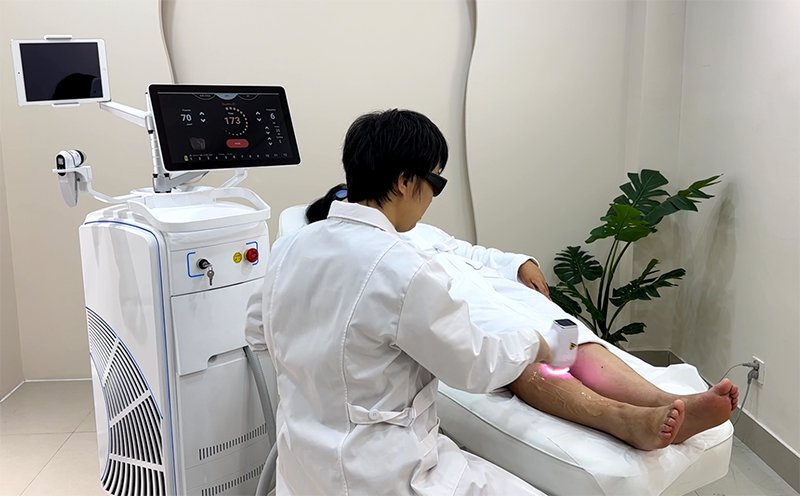
Understanding the Main Types of Laser Hair Removal Technologies
Before selecting a device, clinic owners should understand the three most common laser technologies used in professional hair removal.
Diode Laser Technology
Diode lasers are currently the most widely used technology in aesthetic clinics.
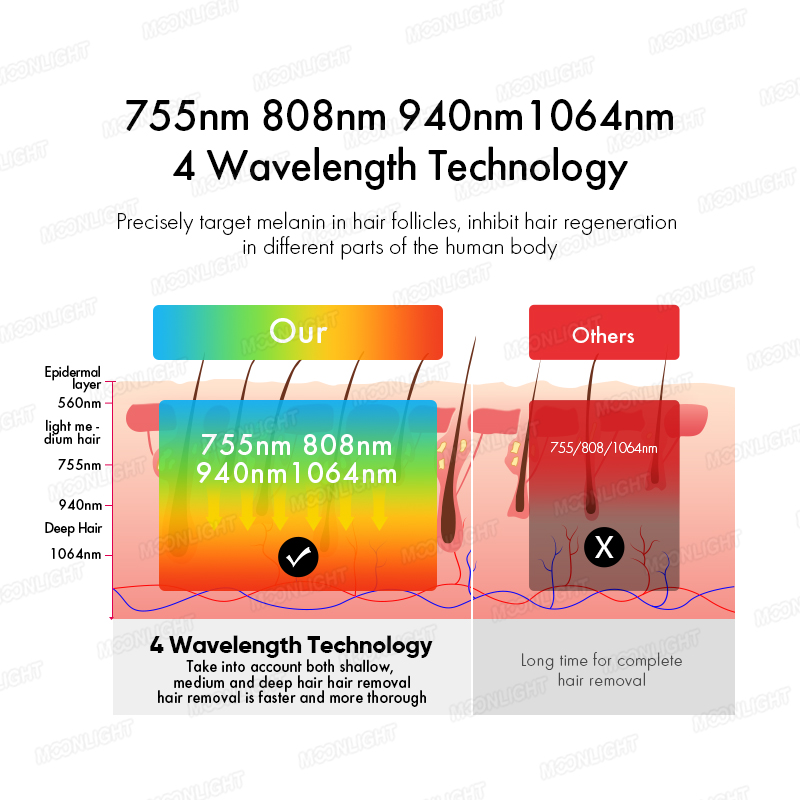
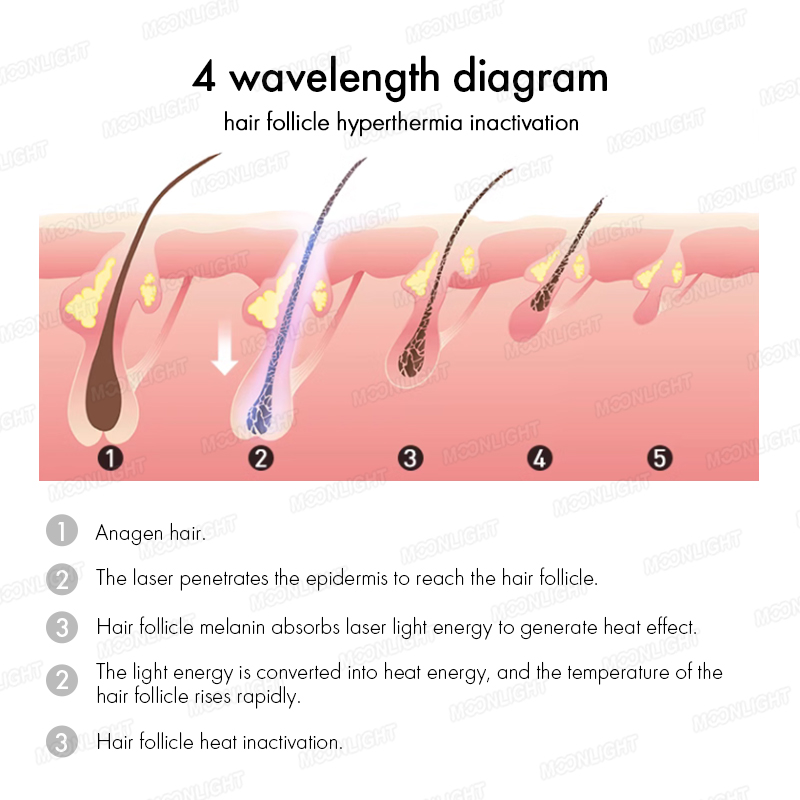
A professional diode laser hair removal machine typically operates around the 808nm wavelength, which provides an ideal balance between melanin absorption and skin penetration.
Many modern systems combine three wavelengths:
755nm – optimized for fine hair
808nm – the primary wavelength for most treatments
1064nm – effective for darker skin tones
This triple-wavelength laser hair removal machine allows clinics to treat a wider range of patients safely.
Key advantages include:
high treatment efficiency
suitable for most skin types (I–V)
fast treatment speed
stable long-term performance
Because of these benefits, diode technology has become the core platform used by many laser hair removal machine manufacturers worldwide.
Alexandrite Laser Technology
Alexandrite lasers operate at 755nm and are known for strong melanin absorption.
This makes them highly effective for:
light skin tones
fine hair
fast treatment cycles
However, Alexandrite lasers may not be suitable for darker skin types because the high melanin absorption increases the risk of epidermal damage.
For clinics with primarily light-skinned clients, Alexandrite technology can still be a powerful treatment option.
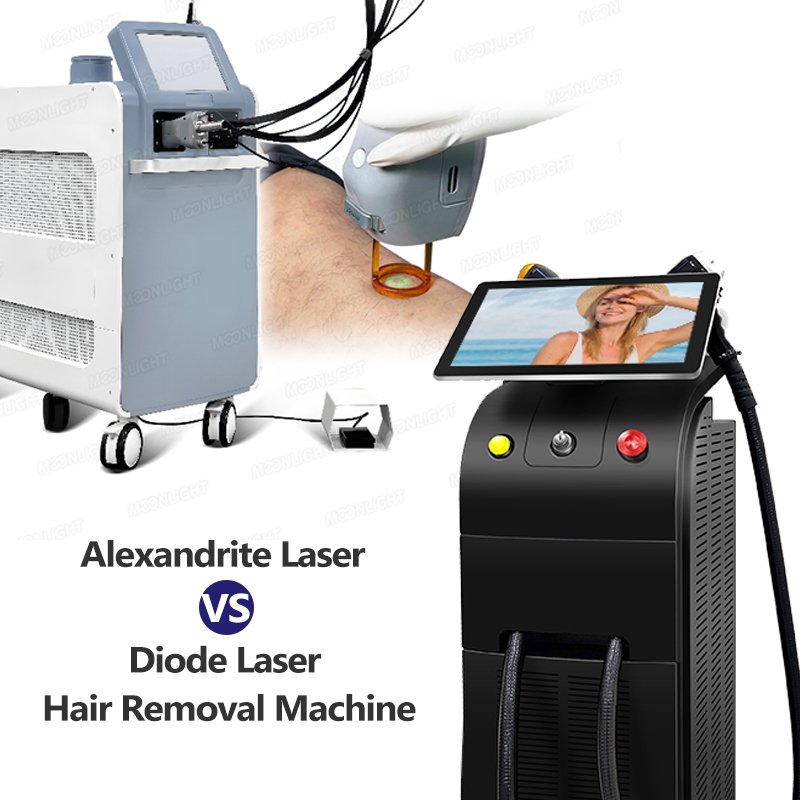
You might also like to know: Diode Laser vs Alexandrite
Nd:YAG Laser Technology
Nd:YAG lasers operate at 1064nm and penetrate deeper into the skin.
Advantages include:
safer treatment for darker skin tones
lower melanin absorption
reduced risk of pigmentation
However, Nd:YAG lasers often require more sessions to achieve optimal results because they interact less strongly with melanin.
For clinics treating diverse skin types, multi-wavelength advanced laser hair removal systems that include Nd:YAG capability can provide additional flexibility.
Learn more in our detailed guide:
Diode vs Alexandrite vs Nd:YAG Laser
Critical Technical Parameters to Evaluate Before Purchasing
Many buyers focus only on price or wavelength, but experienced clinic owners evaluate a wider set of technical specifications.
Laser Bar Quality and Lifespan
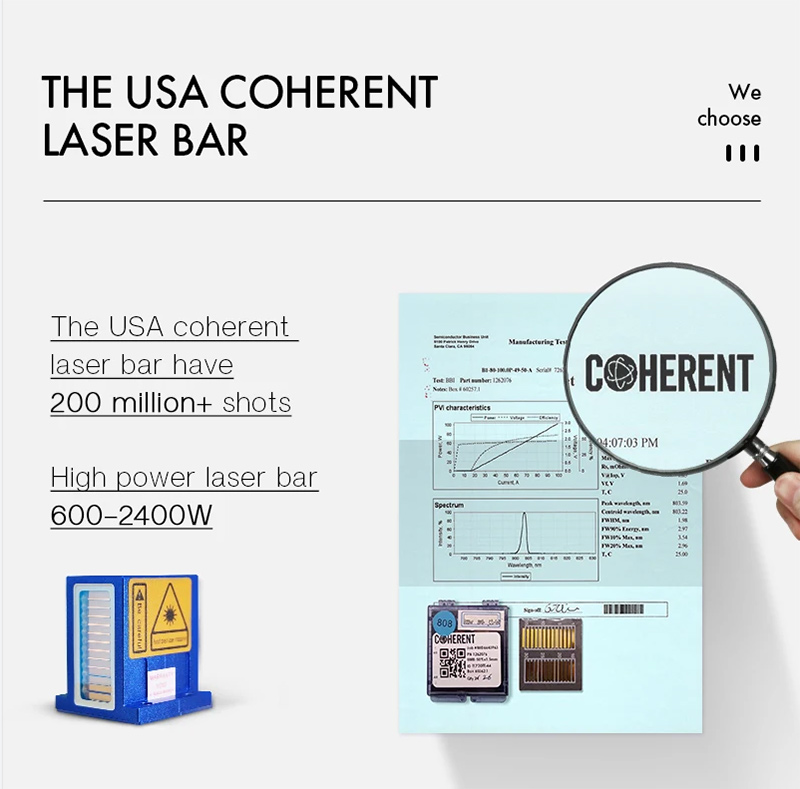
The laser bar is the core component of a diode laser system.
High-quality commercial diode laser hair removal equipment typically uses premium laser bars with lifespans reaching tens of millions of shots.
Longer lifespan means:
lower replacement costs
more stable energy output
longer machine service life
When comparing suppliers, always ask about the origin and lifespan of the laser bars.

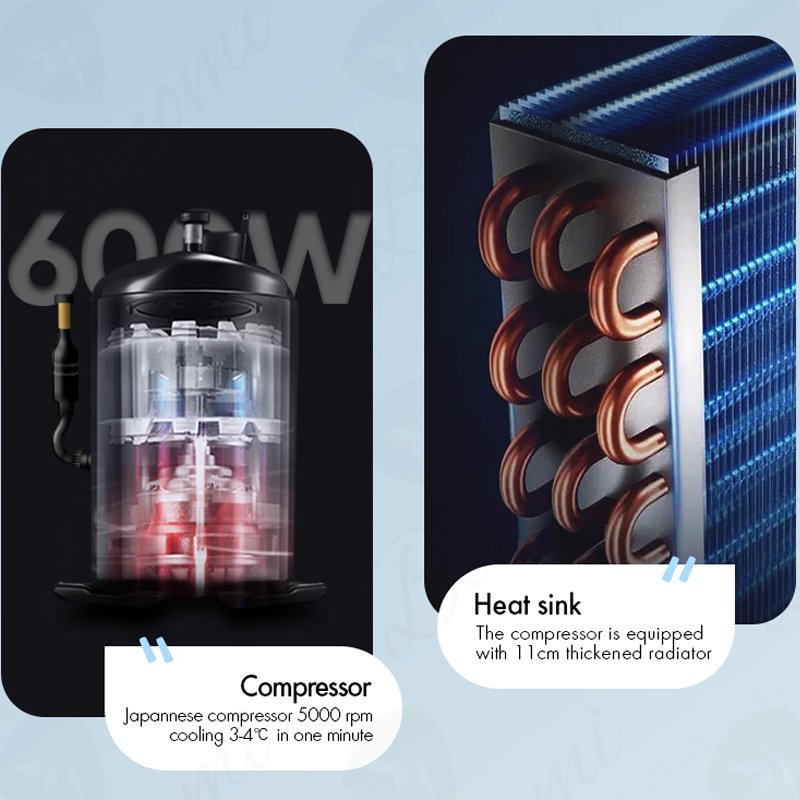
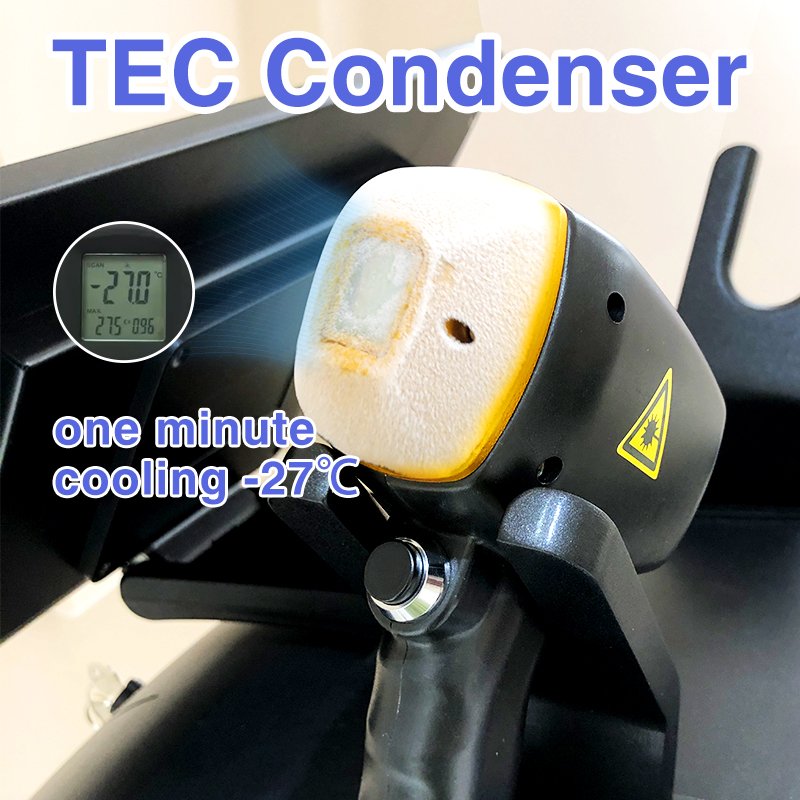
Cooling Technology
Cooling technology directly affects treatment comfort and safety.
Advanced systems typically include:
- Compressor cooling: can lower the temperature by 3-4 degrees Celsius per minute.
sapphire contact cooling
TEC cooling modules:It can lower the temperature by 1-2 degrees Celsius in one minute.
water cooling systems
These technologies help maintain low skin temperatures during treatment and reduce the risk of burns.
A powerful cooling system also allows higher energy levels and faster treatment speeds.
Energy Stability
Stable energy output is critical for consistent treatment results.
Poor energy stability can cause:
uneven hair reduction
patient discomfort
inconsistent treatment outcomes
A reputable diode laser hair removal machine manufacturer will provide machines with carefully calibrated energy delivery systems to ensure reliable performance.
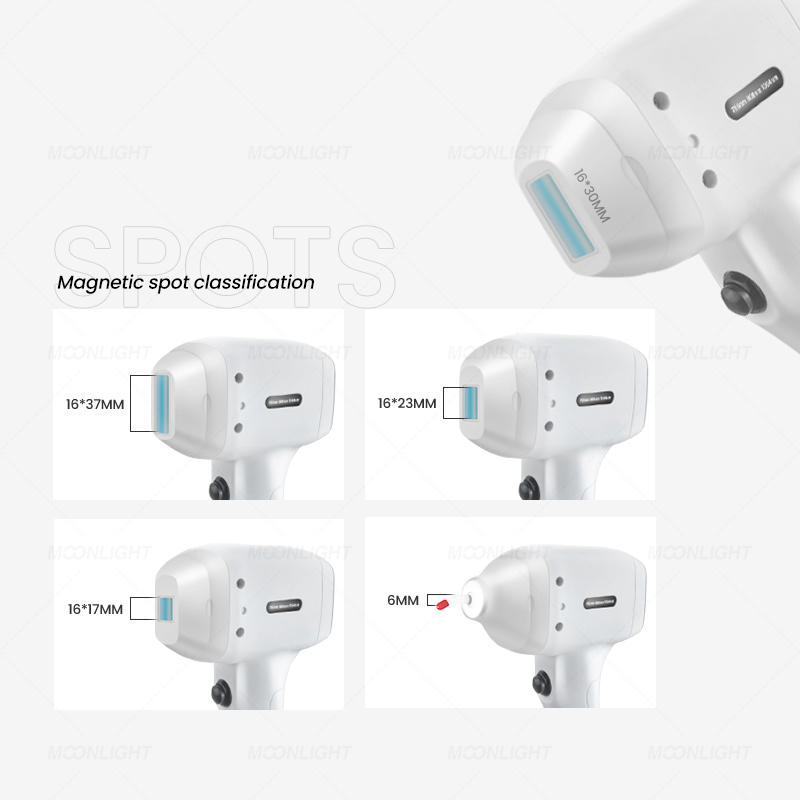
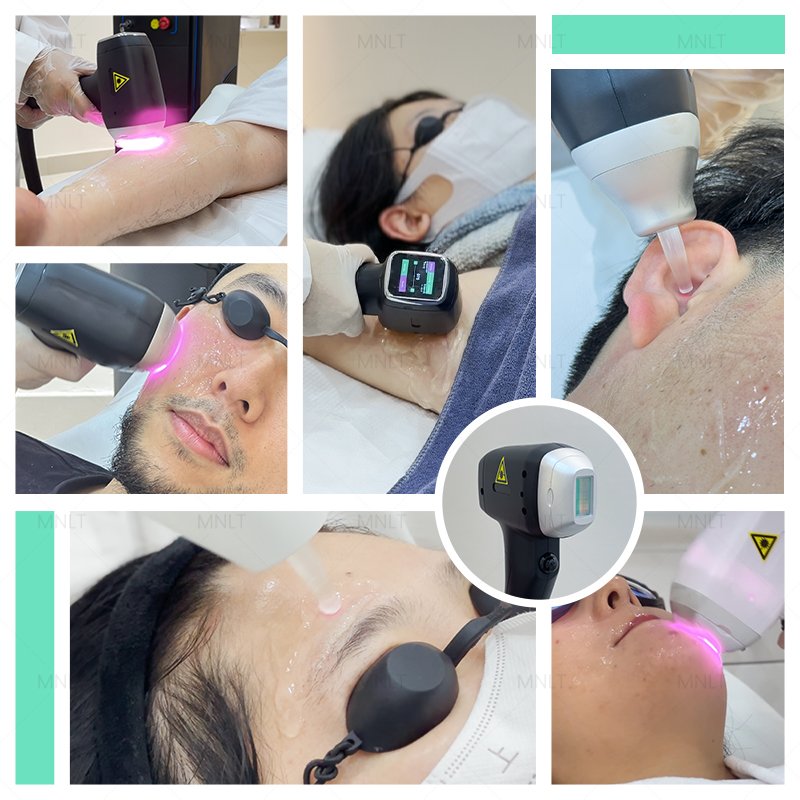
Spot Size and Treatment Speed
Spot size determines how quickly large treatment areas can be covered.
Larger spot sizes allow faster treatments for areas such as:
legs
back
chest
- Nose hair
This significantly increases daily clinic capacity.
For busy aesthetic centers, high-efficiency didoe laser hair removal machine for clinics can reduce treatment time and increase profitability.
How to Calculate ROI for a Laser Hair Removal Machine
For clinic owners, equipment should always be evaluated as a business investment.
Typical treatment pricing ranges from:
Small areas (upper lip, chin):
$50 – $100 per session
Medium areas (underarms, bikini):
$100 – $200 per session
Large areas (legs, back):
$200 – $500 per session
Because most clients require multiple sessions, clinics can generate substantial revenue over time.
With consistent bookings, many clinics recover the cost of a professional diode laser hair removal machine within the first year.
Important Questions to Ask Before Choosing a Manufacturer
Not all equipment suppliers offer the same level of quality and support.
Before purchasing equipment, clinics should evaluate the manufacturer carefully.
A reliable diode laser hair removal machine manufacturer should provide:
CE and FDA certifications
OEM / ODM customization options
training and clinical guidance
long-term spare parts availability
technical support for international customers
These factors are essential for maintaining stable operations and protecting your investment.
Choosing the Best Laser Hair Removal System for Long-Term Clinic Success
For most modern aesthetic clinics, diode laser technology offers the best balance between performance, versatility, and cost efficiency.
High-quality advanced laser hair removal systems based on diode technology can treat multiple skin types while maintaining fast treatment speeds and reliable results.
If you are planning to upgrade your equipment, explore professional solutions designed for clinics and aesthetic centers, including:
professional diode laser hair removal machine
laser hair removal machine for clinics
commercial diode laser hair removal equipment
These systems are designed to deliver safe treatments, high efficiency, and strong long-term ROI for aesthetic businesses.
Recommended diode laser hair removal machine
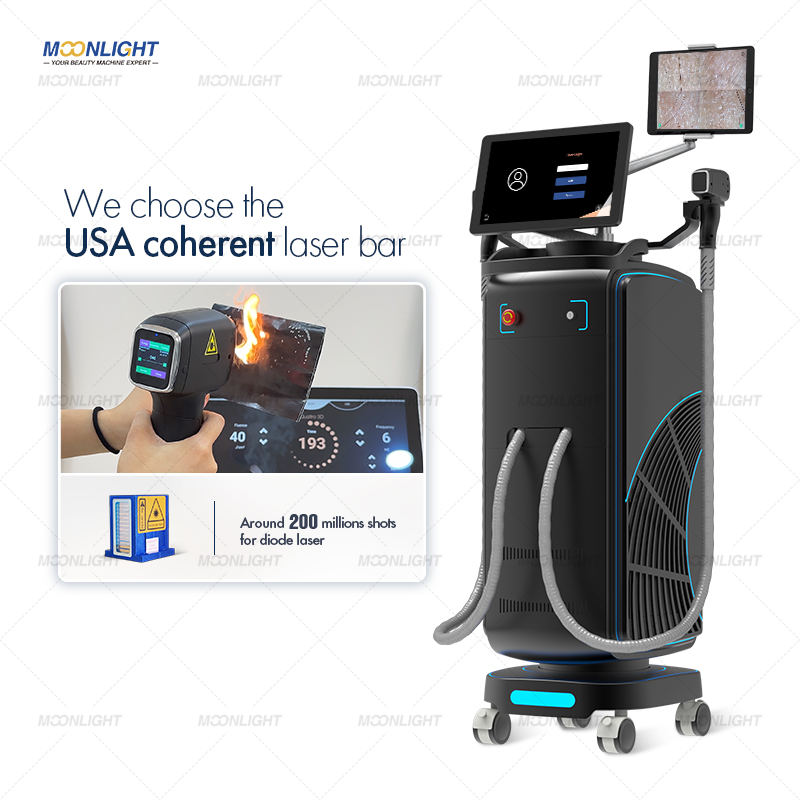
AI Diode Laser Hair Removal Machine
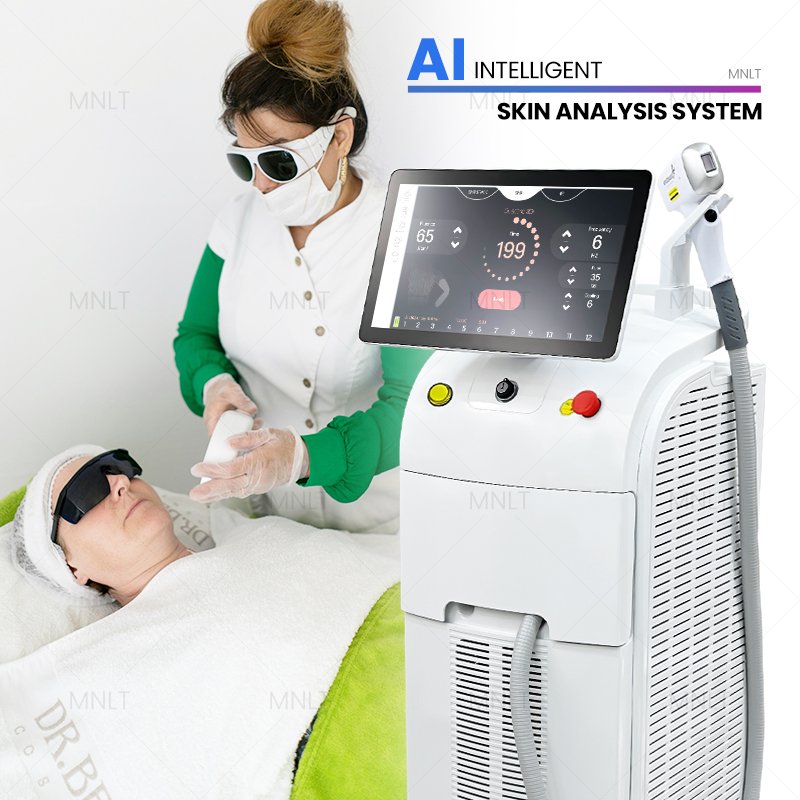
FDA Approved Diode Laser Hair Removal Machine
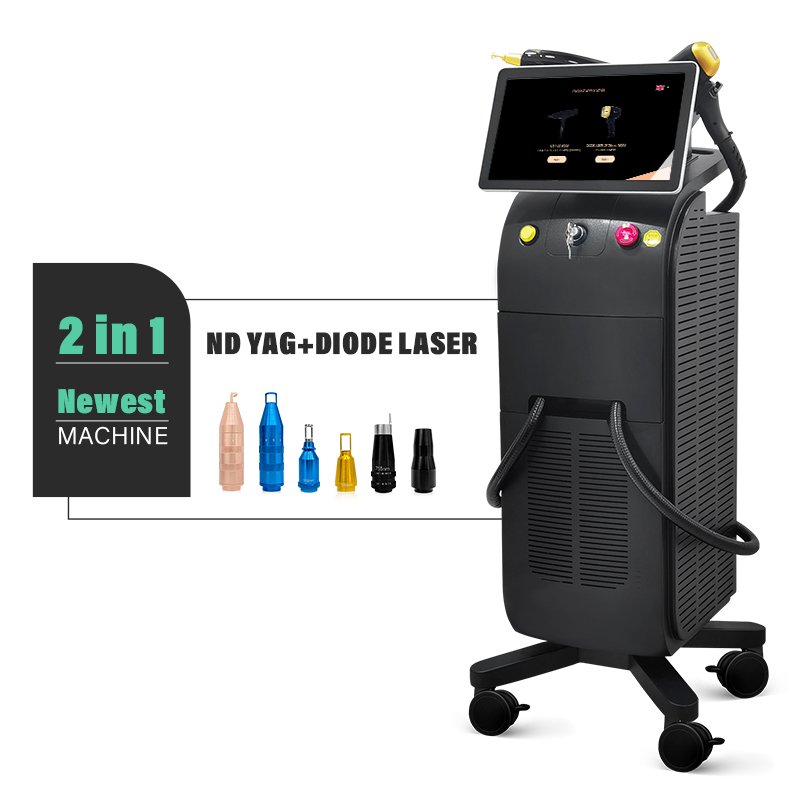
ND YAG +Diode Laser Hair Removal Machine