
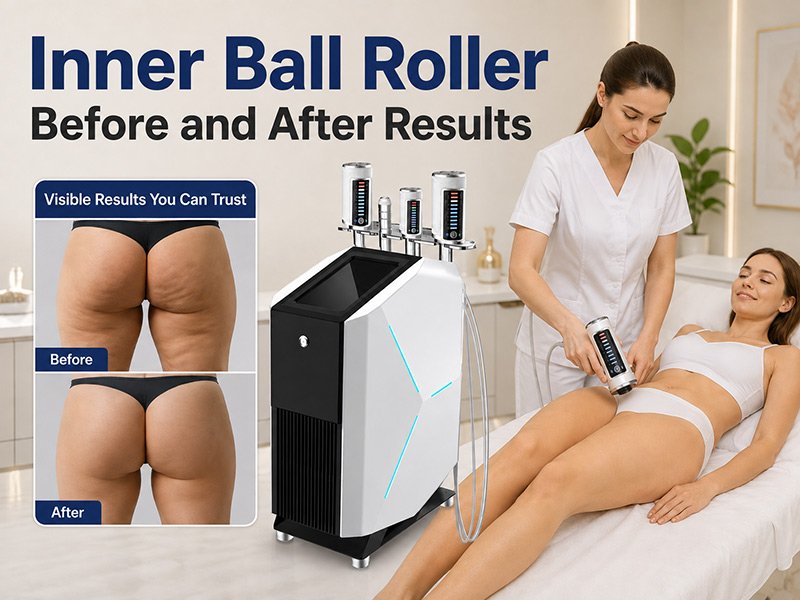
What Changes After Inner Ball Roller Treatments?
The visible and measurable changes clients experience from inner ball roller therapy vary by treatment area — because the underlying tissue composition, lymphatic density, and fascial structure differ across the body. Here is what your clients can realistically expect, area by area:
Abdomen
The abdominal area typically responds fastest to inner ball roller treatment — particularly in clients with post-pregnancy tissue changes or chronic lymphatic congestion. The rotating sphere mechanism reaches the superficial fascial layer and lymphatic vessels across the broad abdominal surface efficiently. Clients commonly report visible reduction in lower abdominal puffiness within 3–4 sessions, with progressive skin firmness improvement over a 10–12 session course. Cellulite-related surface irregularity in the lower abdomen responds more slowly — expect 8–10 sessions for meaningful grade change.
Thighs (Inner and Outer)
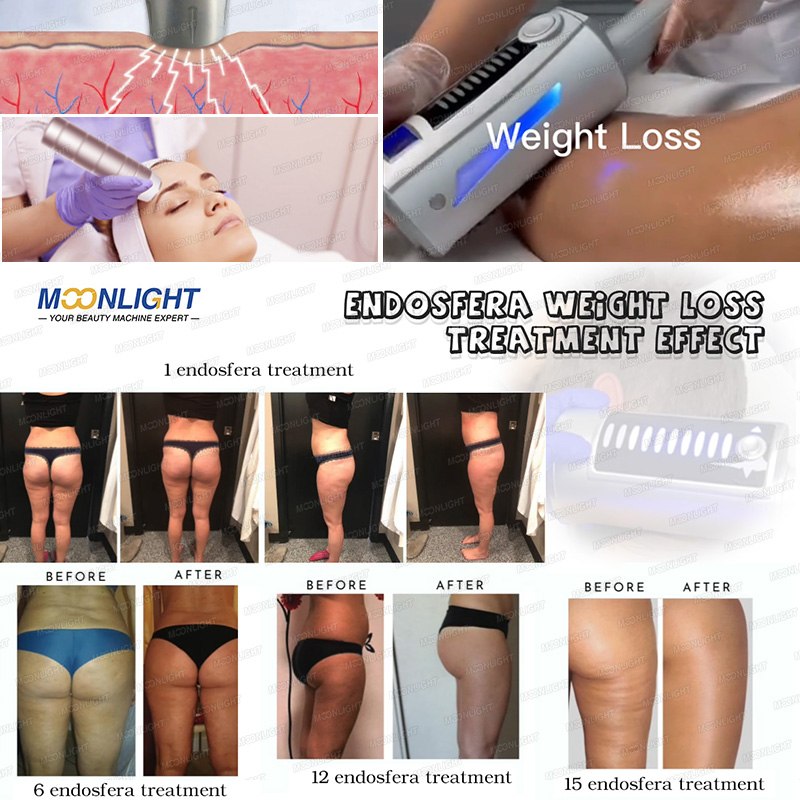
The thighs — particularly the inner thigh and saddlebag area — are among the highest-response zones for inner ball roller therapy. The fibrous septa responsible for cellulite are denser in the thigh tissue than in most other body areas, but the compressive microvibration mechanism is specifically effective at mobilising these adhesions. Clients with Grade II–III cellulite on the thighs typically see their first measurable surface smoothing after session 4–6, with significant improvement by session 10–12. Circumference reduction (from lymphatic drainage) is often visible after session 2–3 in clients with notable fluid retention in this area.
Upper Arms
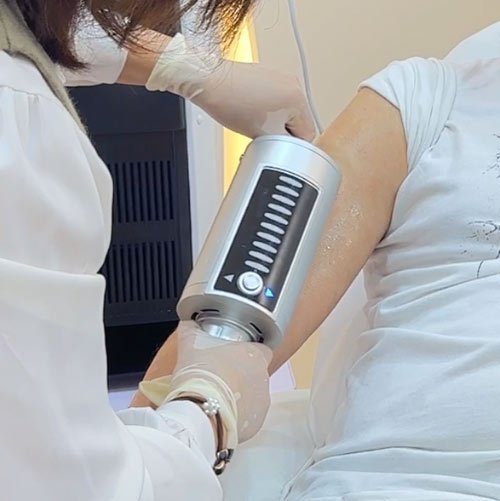
Upper arm skin laxity and mild fat deposits respond well to inner ball roller treatment, though the arm is a smaller treatment area that requires precise technique to cover the tricep and bicep zones systematically. Clients report improved skin firmness and reduced “bat wing” appearance over a 6–8 session course. Circumference reduction is modest (0.5–1.5cm typically) but meaningful for clients with this concern as a primary goal.
Back and Flanks
The flank and lower back area respond similarly to the abdominal zone — good lymphatic drainage response within the first 3–5 sessions, with skin tightening effects progressing through a full course. Clients with bra-line back fat or flank bulges report improved tissue firmness and a smoother contour by session 8.
Facial (Facial Head Attachment)
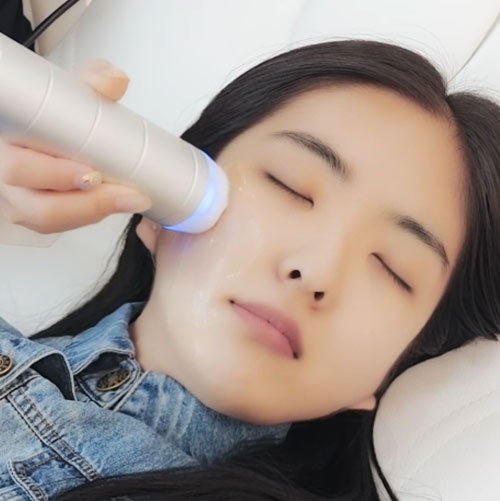
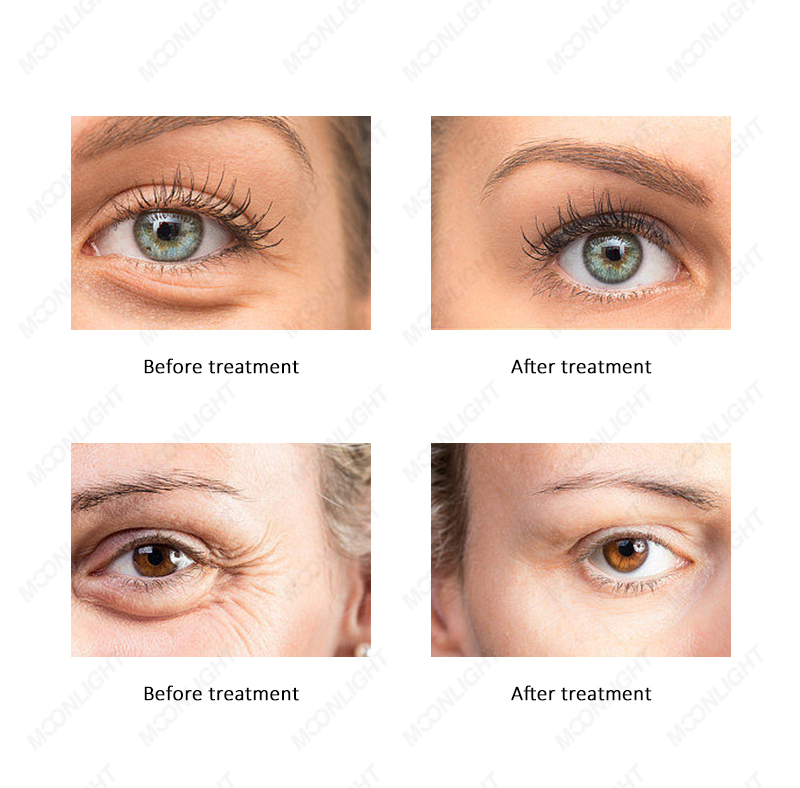
The facial inner ball roller protocol uses a smaller sphere head and significantly reduced pressure and speed settings. Results in the facial area include visible depuffing (particularly under-eye area and jawline) after 2–3 sessions, and progressive improvement in skin firmness and nasolabial fold appearance over 6–8 sessions. The facial protocol is complementary to other facial lifting modalities — not a standalone anti-ageing treatment — and is most effective when positioned as a lymphatic drainage and maintenance service.
For a complete overview of how the inner ball roller machine works and how to evaluate devices for purchase, see the Inner Ball Roller Machine Clinic Guide 2026.
Timeline: What to Expect Session by Session
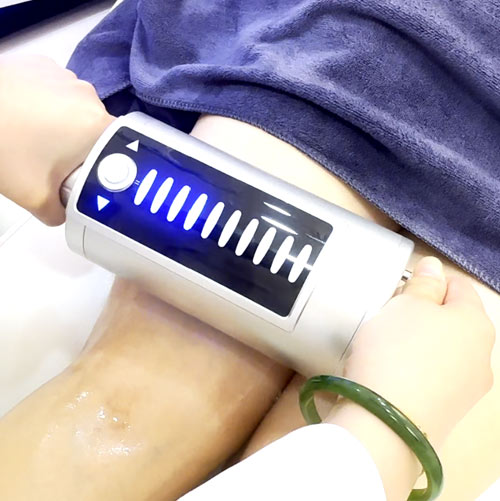
The following progression table reflects typical client experiences across a standard 10-session inner ball roller course. Individual results vary based on baseline presentation, session frequency, and lifestyle factors.
| Session Milestone | Typical Client Experience | Clinically Observable Change |
|---|---|---|
| After Session 1 | Mild tissue warmth, relaxation; no visible change yet | Temporary redness resolving within 60 min |
| After Session 3 | Reduced puffiness in treated areas; skin feels softer | Measurable circumference reduction (0.5–1.5cm in high-fluid areas) |
| After Session 6 | Visible skin smoothing begins; clients report feeling “lighter”; clothing fits differently | Grade I cellulite often resolved; Grade II shows surface improvement |
| After Session 10 | Significant cellulite grade reduction; improved skin firmness; client-reported confidence improvement | Measurable circumference reduction 1–3cm; skin texture improved in treated zones |
| Maintenance (monthly) | Sustained results; seasonal fluid retention managed proactively | Stabilised cellulite grade; maintained firmness scores |
Important note for clinic managers: Setting session 1–3 expectations correctly is critical. Clients who expect dramatic visible change after a single session will be disappointed. Clients who understand that the first 1–3 sessions are building the biological foundation for later visible change — with the drainage and tissue response accumulating — rebooking at the correct cadence and completing full courses.
Before & After: Common Treatment Scenarios
Scenario 1 — Post-Pregnancy Client (34F, 8 Months Post-Partum)
Presenting concern: Persistent lower abdominal puffiness, mild skin laxity, inner thigh cellulite (Grade II). Client is not a candidate for thermal body contouring due to breastfeeding and prefers non-invasive, zero-downtime options.
Treatment course: 10 inner ball roller sessions over 6 weeks (2 per week) — abdomen, inner thighs, and flanks. Facial protocol added from session 5 onward.
Expected outcomes: Visible circumference reduction in abdomen (1.5–2.5cm) and inner thighs (1–2cm) by session 6. Inner thigh cellulite grade reduction from II to I–II by session 10. Skin firmness improvement across all treated areas. Facial depuffing noticeable from session 6 onward.
Why this client profile matters for your clinic: Post-pregnancy clients represent a substantial and underserved segment in most aesthetics markets. They are motivated, committed to completing courses (clear outcome goal), and — when results are achieved — among the highest-converting referral sources in a clinic’s client base. Inner ball roller’s zero-downtime and zero-thermal-stress profile makes it one of the only body contouring options available and appropriate for this demographic.
Scenario 2 — Sedentary Office Worker (42M, Urban Market)
Presenting concern: Lower abdominal fluid retention and soft tissue congestion from prolonged sitting, mild flank fat deposits, general tissue sluggishness. Primary goal: feel less “bloated” and improve body composition appearance.
Treatment course: 8 inner ball roller sessions over 5 weeks (1–2 per week) — abdomen, flanks, and lower back.
Expected outcomes: Significant drainage response from session 2–3; client reports feeling “lighter” after session 4. Visible flank and abdominal circumference reduction (1–3cm) by session 6–8. Skin texture improvement in the treated zone. Secondary benefit: improved postural comfort from fascial mobilisation in the lower back area.
Why this client profile matters: Male clients are an underutilised demographic in body contouring — in part because most marketing imagery and service descriptions skew female. Inner ball roller therapy’s non-aesthetic framing (lymphatic drainage, recovery, anti-fatigue) resonates with male clients who would not engage with standard body contouring language. Positioning the service as a “recovery and drainage” protocol rather than a cosmetic treatment opens a new client acquisition channel.
Scenario 3 — Active Client Seeking Body Definition (29F, Fitness-Oriented)
Presenting concern: Regular gym attendance with good muscle tone, but persistent thigh cellulite (Grade I–II) and upper arm skin texture concerns despite low body fat. Primary goal: improve surface texture and skin quality in areas that do not respond to exercise.
Treatment course: 6 inner ball roller sessions over 4 weeks (1–2 per week) — thighs and upper arms. Combined with monthly Cryoskin toning session.
Expected outcomes: Measurable thigh cellulite improvement (Grade I resolution or near-resolution) by session 6. Upper arm skin texture improvement. Enhanced skin firmness in both areas. Combination with Cryoskin toning adds collagen stimulation at the dermal level that complements the inner ball roller’s fascial and lymphatic work.
Why this client profile matters: Fitness-oriented clients with good body composition but persistent cellulite are a high-lifetime-value segment — they are already invested in their appearance, have disposable income allocated to body-related services, and are looking for targeted solutions that exercise cannot provide. A course of 6 inner ball roller sessions followed by monthly maintenance positions your clinic as the solution for this specific frustration.
Factors That Affect Inner Ball Roller Results
Understanding why results vary across clients — and being able to explain this to prospective clients clearly — is essential for managing expectations and maintaining trust. Five variables drive most of the outcome variance:
1. Machine Parameters: Speed, Pressure, and Sphere Configuration
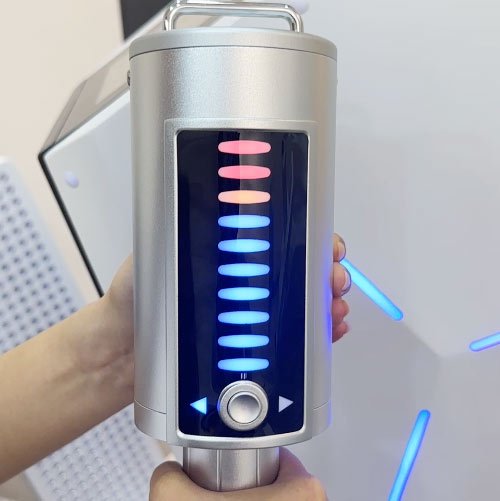
A device with limited parameter range constrains the operator’s ability to tailor treatment to the client’s tissue density, sensitivity, and specific treatment goal. Professional inner ball roller machines offer independent control of rotation speed and compression pressure — enabling high-pressure protocols for dense fascial tissue and gentle protocols for sensitive or post-surgical areas. Clinics using underpowered or under-parameterised devices will consistently see inferior results, regardless of operator skill.
2. Session Frequency and Course Completion
The compressive microvibration mechanism creates a cumulative biological effect — each session builds on the tissue response initiated in the previous one. Optimal session spacing is 3–7 days (allowing tissue recovery while maintaining biological momentum). Clients who miss sessions or extend their course beyond 8–10 weeks typically see a plateau in results. Clinics that structure treatment as a committed course — paid upfront or as a package — have measurably better completion rates and better reported outcomes than those offering single-session booking.
3. Client Lifestyle Factors
Hydration and fluid intake directly affect lymphatic response — clients who are chronically under-hydrated will see slower drainage results. Physical activity between sessions supports lymphatic clearance of the metabolic waste mobilised during treatment. Alcohol consumption and high-sodium diet increase fluid retention, partially counteracting the drainage effects achieved in session. These are not disqualifying factors — they are variables to address in your client consultation and aftercare documentation.
4. Technician Technique and Protocol Adherence
The inner ball roller is not a passive device — the operator’s movement pattern, pressure application, and systematic coverage of the treatment area significantly affect outcomes. Slow, consistent, overlapping strokes at the correct speed setting produce better lymphatic and fascial results than fast, inconsistent coverage. Clinics that invest in operator training and protocol standardisation see more consistent client results — and fewer “it didn’t work for me” rebooking failures.
5. Complementary Treatment Integration
Inner ball roller therapy delivers its strongest results when used as part of a multi-modality protocol rather than in isolation. The most effective combinations are:
- Cryoskin + Inner Ball Roller: thermal shock triggers fat cell apoptosis; subsequent inner ball roller session accelerates lymphatic clearance of the released lipids
- HIFU body + Inner Ball Roller: HIFU addresses deep fat and SMAS; inner ball roller maintains skin texture and drainage between HIFU sessions
- EMS/HIFEM + Inner Ball Roller: electromagnetic muscle stimulation builds muscle tone; inner ball roller addresses the overlying fascial and lymphatic tissue that EMS does not reach
How to Maximize Inner Ball Roller Results for Your Clients
Course Structure and Booking Architecture
Price and structure inner ball roller as a committed course, not a drop-in service. A 10-session course paid upfront at a package rate (15–20% below single-session equivalent) achieves three things: it funds your equipment investment faster, it commits the client to completing the biological process required for visible results, and it gives you a predictable revenue block to schedule around.
Recommended course structure:
- Foundation course: 10 sessions over 5–6 weeks (2 per week initially, then 1 per week)
- Maintenance programme: 1–2 sessions per month post-course
- Combination upgrade: offer Cryoskin or HIFU as an add-on for clients seeking accelerated fat reduction alongside texture improvement
Client Progress Documentation
Before-and-after measurement is the most powerful retention and referral tool a clinic has. Establish a standard measurement protocol at session 1 (circumference at defined anatomical landmarks, cellulite grade assessment, skin texture observation) and repeat at session 5 and session 10. Documented, measurable change — even 1.5cm circumference reduction and a cellulite grade drop from II to I — is far more persuasive than subjective “feels better” feedback when a client is deciding whether to book a maintenance programme.
Managing the Expectation Gap
The most common reason clients do not complete inner ball roller courses is misaligned expectations after sessions 1–3 (when visible change is minimal). Address this at the initial consultation: explain that sessions 1–3 are “priming” sessions that prepare the tissue for visible change; that the lymphatic system responds cumulatively; and that meaningful surface change typically becomes visible from session 4–6 onward. Clients who understand this timeline complete their courses. Clients who do not, cancel after session 2.
Why Equipment Quality Matters for Results
The treatment outcomes described in this guide assume a professional-grade inner ball roller machine operating with calibrated speed, adjustable pressure, and appropriate sphere configurations for the treatment areas involved. Not all devices marketed as “inner ball roller” or “endosphere machines” meet this specification.
The variables that distinguish a clinical-grade device from an underpowered consumer unit:
- Motor consistency: maintained rotation speed and torque under sustained session load (not just at startup)
- Pressure range: sufficient compressive force to reach the fascial layer in dense tissue areas
- Sphere quality: consistent surface texture and material that delivers effective mechanical stimulation without skin irritation
- CE/FDA/ISO 13485 certification: required for clinical deployment in regulated markets
MNLT Laser’s inner ball roller machine is manufactured in an ISO 13485-certified facility with CE, FDA, and MDR compliance, covering the full body and facial sphere configuration range with adjustable speed and pressure parameters. MNLT’s client and distributor network spans 120+ countries — including a U.S.-based aesthetic equipment company that committed to a recurring monthly order of approximately $80,000 USD across MNLT’s device portfolio following an in-person factory audit at MNLT’s Shandong facility.
FAQ: Inner Ball Roller Before and After Results
How long does it take to see inner ball roller results?
Most clients notice their first visible inner ball roller results after sessions 3–4: reduced puffiness, softer skin texture, and measurable circumference reduction (0.5–1.5cm) in high-fluid areas. Meaningful cellulite improvement typically becomes visible from session 6 onward, with significant grade reduction by the end of a 10-session course. Sessions 1–3 should be framed to clients as a biological priming phase — the lymphatic and fascial response builds cumulatively, and visible surface change follows rather than precedes this internal process. Clients who understand this timeline complete their courses; those who expect dramatic change after one session typically do not.
How many inner ball roller sessions are needed for cellulite reduction?
For Grade I cellulite, meaningful surface improvement is typically visible after 6–8 sessions. Grade II cellulite requires 8–12 sessions for significant grade reduction. Grade III presentations require a longer course (12+ sessions) and may benefit from combination with a thermal modality (Cryoskin or RF) that addresses the deeper fascial and fat layer alongside the lymphatic and surface work of the inner ball roller. Monthly maintenance sessions after an initial course are recommended to prevent regression, particularly for clients in markets with high-sodium diets or sedentary lifestyle patterns that contribute to ongoing lymphatic congestion.
Are there any side effects from inner ball roller endosphere treatment?
Inner ball roller therapy is one of the lowest-risk body contouring modalities in clinical practice. The most commonly reported post-treatment responses are temporary mild redness at the treated area (resolving within 30–60 minutes) and occasional mild muscle soreness in densely treated areas, similar to the response after deep tissue massage. There is no thermal stress, no suction trauma, and no recovery period — clients can resume normal activity immediately following each session. Practitioners should conduct a full contraindications screening before each new client's first session, covering active infections, pregnancy, known lymphatic conditions, and implanted devices.
Who gets the best results from inner ball roller treatments?
Clients who see the strongest inner ball roller results share several characteristics: they complete a full 10-session course at the recommended frequency (2 sessions per week initially), they maintain adequate hydration between sessions, they have realistic expectations set at the initial consultation, and they are motivated by a specific outcome goal (post-pregnancy recovery, cellulite in a specific area, maintenance after a primary slimming course). Clients with Grade I–II cellulite, mild-to-moderate fluid retention, and post-partum tissue changes are the highest-response demographic. Clients seeking fat removal as a primary outcome are better served by a thermal modality (Cryoskin, cryolipolysis) with inner ball roller as a complementary lymphatic support service.
How can I source a professional inner ball roller machine for my clinic?
Professional inner ball roller machines from certified factory-direct manufacturers are available in the $2,500–$5,000 range with CE, FDA, and ISO 13485 certification — a fraction of the $15,000–$40,000 price point of branded endosphere systems. When evaluating suppliers, confirm: traceable CE and ISO certificate numbers (not just certificate images), full sphere configuration range (body and facial heads), adjustable speed and pressure parameters, and after-sales support including training documentation and protocol libraries. MNLT Laser manufactures CE/FDA/MDR-certified inner ball roller machines with full OEM capability for clinics and distributors building a private-label service. Contact the MNLT team for specifications and pricing.
Reviewed by David Ma
CTO & Chief Engineer, MNLT Laser (Shandong Moonlight Electronics Tech Co., Ltd.) — 19 years in aesthetic device manufacturing. David leads MNLT's R&D team across the full professional aesthetic device portfolio, ensuring all technical content meets the highest standards of accuracy and clinical safety.