

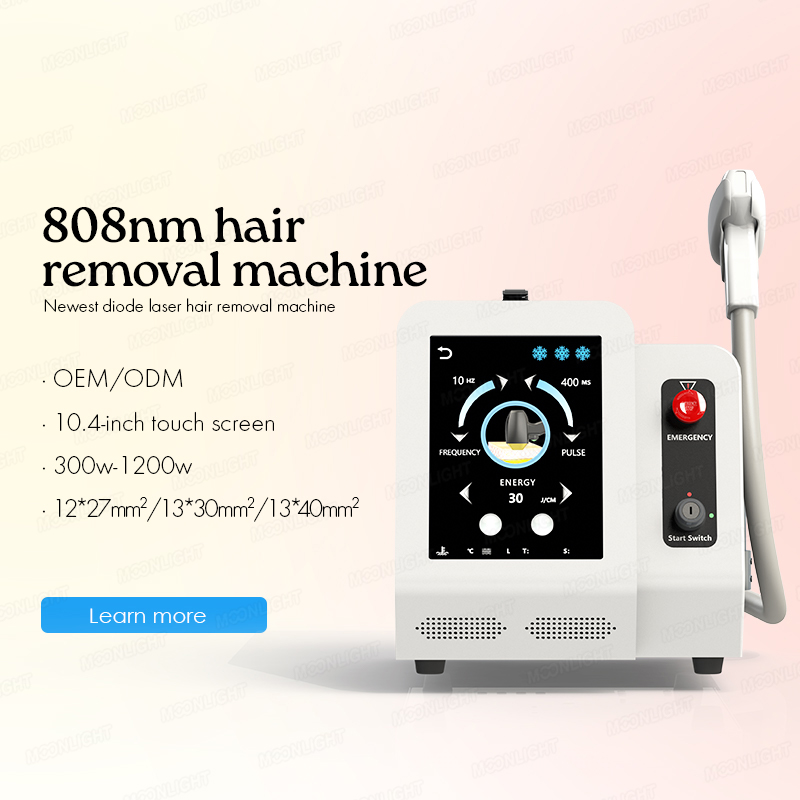
At a Glance: Key Engineering & Safety Facts
- Thermal Contrast Mechanism: Cryoskin 4.0 utilizes sequential thermal shock—elevating target tissue to 40°C–42°C before controlled sub-zero cooling down to -10°C—inducing rapid adipocyte apoptosis without suction-induced panniculitis.
- Refrigeration Core Architecture: Commercial-grade medical systems utilize closed-loop industrial refrigeration compressors with eco-friendly coolant circulation rather than fragile thermoelectric Peltier semiconductor chips that suffer from thermal drift.
- ±0.1°C Real-Time Algorithmic Control: Dual-sensor PID temperature feedback actively prevents superficial epidermal frostbite while maintaining deep cryogenic penetration into subcutaneous fat layers.
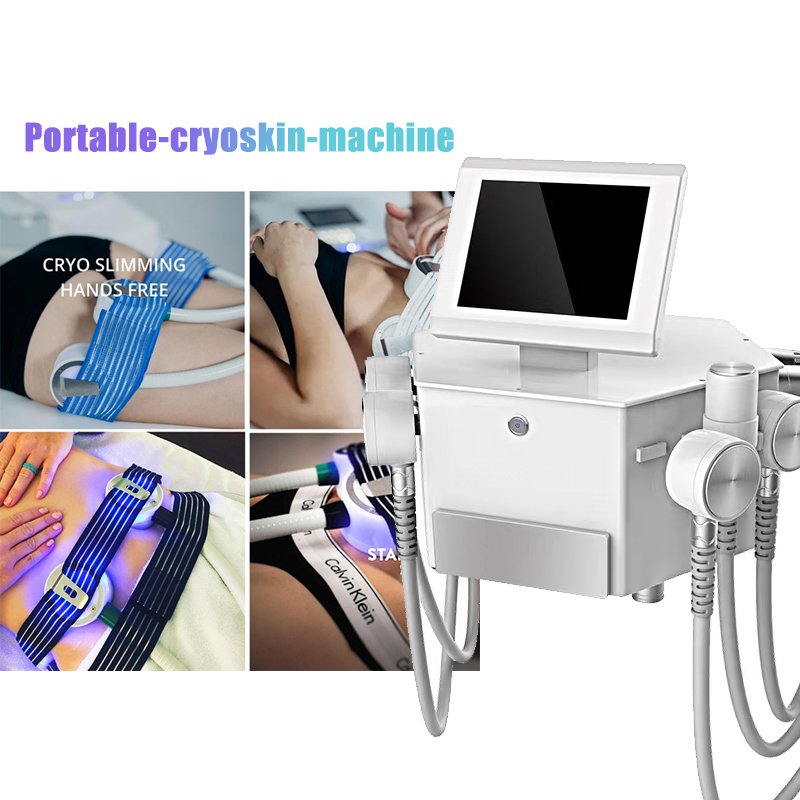
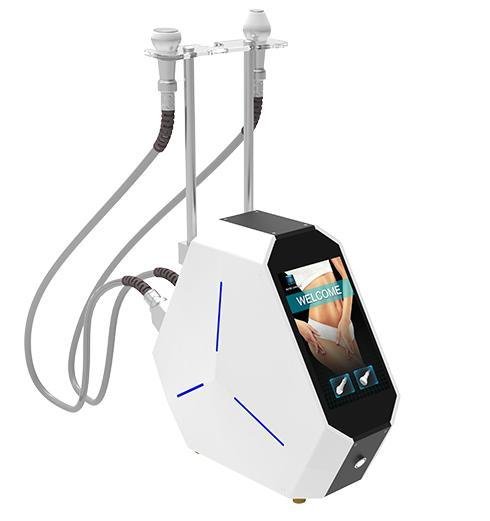
- Dual-Delivery Workstation: Combining dynamic manual wands with 4 hands-free static cryo pads enables clinics to double operator turnover and run multi-zone protocols simultaneously.
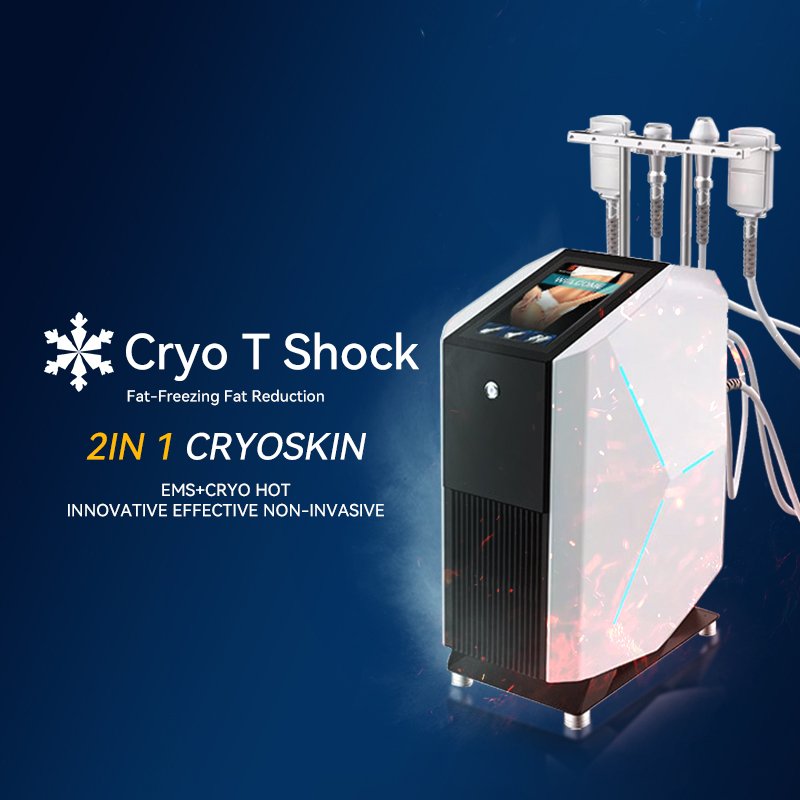
- Integrated 4000Hz EMS Modulation: Synchronized neuromuscular stimulation enhances lymphatic lipid clearance, reducing post-treatment edema and accelerating visible inch loss.
- Zero Consumable Overhead: Eliminates recurring proprietary gel pad licenses, lowering per-session variable costs to less than $5 in generic ultrasound gel.
- Factory Sourcing Protocol: Demands verifiable CE, ISO 13485, and calibrated thermal imaging bench test reports prior to container dispatch.
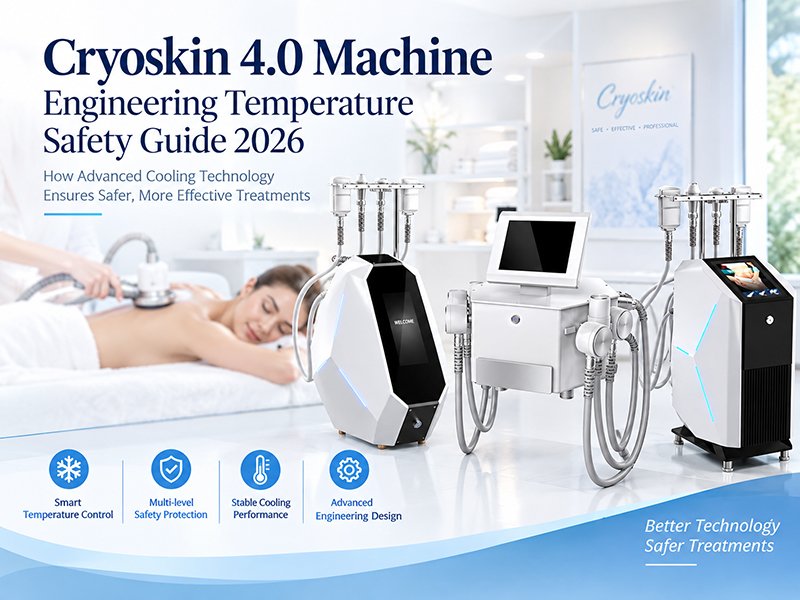
When aesthetic clinics evaluate non-invasive body contouring hardware, clinical marketing claims often obscure the underlying thermodynamics. Terms like “thermal contrast lipolysis,” “cryo-toning,” and “fat freezing” describe clinical outcomes, but the machine’s ability to safely deliver those outcomes rests entirely on refrigeration engineering, thermal transfer stability, and sensor calibration.
In practical aesthetic operations, thermal shock therapy requires driving cutaneous tissue through a wide, rapid thermal excursion: heating tissue to 40°C–42°C to increase adipocyte membrane permeability and localized microcirculation, immediately followed by controlled cryogenic extraction down to -10°C to initiate irreversible programmed cell death (apoptosis).
Failing to maintain precise thermal control during this rapid transition is the leading cause of treatment failure, client discomfort, and superficial epidermal frostbite. This technical guide examines the internal refrigeration architecture of 2026 Cryoskin 4.0 platforms, contrasts industrial compressor circuits against thermoelectric Peltier chips, details the clinical engineering of static versus dynamic handpieces, and outlines a rigorous factory inspection protocol for clinic buyers and distributors.
1. Thermodynamic Mechanism: Thermal Contrast Lipolysis vs. Static Freezing
Understanding the physical interaction between temperature cycling and human subcutaneous adipose tissue is essential when verifying hardware requirements.
Traditional cryolipolysis relies on static vacuum suction cups that draw tissue into an applicator cavity and maintain a constant freezing temperature (-11°C to -13°C) for 35 to 60 minutes. While effective at destroying adipocytes, continuous negative-pressure suction carries well-documented clinical trade-offs: delayed-onset nerve pain, bruising, and the documented risk of paradoxical adipose hyperplasia (PAH).
In contrast, Cryoskin 4.0 operates via non-suction thermal shock:
[Phase 1: Pre-Heating] 40°C to 42°C (5–10 mins) -> Vasodilation, softens dense lipid bilayers
[Phase 2: Thermal Shock] Rapid drop to -2°C to -10°C -> Membrane crystallization & intracellular stress
[Phase 3: Post-Warming] 38°C to 40°C (3–5 mins) -> Reperfusion shock, triggers apoptotic cascade
- Pre-Heating Phase (40°C to 42°C): Controlled warmth induces rapid vasodilation, increases cutaneous blood perfusion, and softens dense subcutaneous lipid bilayers.
- Thermal Shock Phase (Rapid drop to -2°C to -10°C): The rapid temperature plunge exposes sensitized adipocytes to severe thermal stress. Intracellular triglycerides crystallize at higher temperatures than water-dense dermal cells, triggering irreversible apoptotic signaling without freezing cutaneous water molecules.
- Post-Warming / Lymphatic Activation Phase (38°C to 40°C): A secondary heating cycle stimulates immediate reperfusion, fragments compromised cell membranes, and accelerates the uptake of lipid debris by regional macrophage networks.
To deliver this sequence across multiple clinical hours, the hardware must execute rapid thermal slope changes without suffering from thermodynamic hysteresis or heat-sink fatigue.

2. Core Refrigeration Architecture: Industrial Compressor vs. Thermoelectric Peltier Chips
The primary engineering divergence between professional-grade Cryoskin systems and budget market imitations lies in how cooling energy is generated and dissipated.
| Engineering Parameter | Medical Compressor Refrigeration (MNLT 4.0 Standard) | Thermoelectric Peltier Semiconductor (Budget Alternative) |
|---|---|---|
| Refrigeration Core | Closed-loop hermetic compressor with circulating eco-coolant | Solid-state Peltier ceramic tiles mounted in applicator head |
| Cooling Power & Speed | Drops from +40°C to -10°C in under 60 seconds; high thermal inertia | Requires 3–6 minutes to reach sub-zero; struggles under high skin contact heat |
| Thermal Drift Resistance | Active condenser dissipation maintains sub-zero output in 35°C treatment rooms | Severe heat accumulation on hot side causes thermal runaway and output degradation |
| Duty Cycle (Back-to-Back) | Continuous 10–12 hours clinical duty cycle without cooling pauses | Requires 20–30 minute resting cooldown between consecutive clients |
| Handpiece Weight & Ergonomics | Lightweight contact head (refrigeration chassis housed inside console) | Heavy handpiece containing internal Peltier chips and bulky aluminum heatsinks |
| Operational Lifespan | 8–10 years industrial service life with zero consumable components | Peltier elements degrade rapidly after 12–18 months of thermal expansion cycles |
| Clinical Safety Risk | Controlled, steady cryo delivery verified by dual internal temperature probes | Spot freezing and sudden temperature spikes increase risk of frostbite |
The Limitation of Thermoelectric Peltier Chips in Thermal Shock
Thermoelectric chips (Peltier plates) transfer heat from one side of a semiconductor substrate to the other when DC current is applied. While inexpensive and compact for small desktop gadgets, they suffer from inherent physical constraints in clinical environments:
- Hot-Side Heat Saturation: To chill skin to -10°C, the opposing side of the Peltier plate must dissipate massive caloric heat. If the internal handpiece fan or water block cannot evacuate this heat instantly, thermal saturation occurs, and the cold side begins warming up mid-session.
- Thermal Fatigue: Rapidly switching polarity back and forth between 42°C heating and -10°C cooling creates severe mechanical stress across soldered semiconductor junctions, leading to premature chip cracking and sudden power loss.
The Compressor Advantage in Commercial Equipment
Industrial medical platforms isolate the refrigeration machinery inside the main chassis. By utilizing a closed-loop compressor connected via high-pressure insulated umbilical lines to the treatment wands, caloric energy is transferred effortlessly via circulating thermal fluid. The applicator head remains lightweight, perfectly balanced for the aesthetician, and completely impervious to thermal drift.
For high-volume aesthetics clinics seeking reliable capital investments, exploring the factory-engineered professional Cryoskin 4.0 machine for sale provides verified hardware specifications, modular handle configurations, and direct factory pricing.
3. Sensor Calibration & Algorithmic Safety: The ±0.1°C Difference
In thermal contrast lipolysis, the safety margin between therapeutic adipocyte destruction and superficial epidermal frostbite is remarkably narrow. Human dermis can tolerate brief exposure to sub-zero contact, provided the temperature remains steady and contact gel prevents dry cryogenic adherence. However, if surface temperatures dip below -12°C or exhibit erratic fluctuations, tissue necrosis and ice crystal formation can occur in the epidermal layer.
[Target: -10.0°C]
Stable PID Curve: -9.9°C === -10.0°C === -10.1°C -> Safe & Therapeutic
Unstable Bang-Bang: -6.0°C \/\/\ -14.0°C \/\/\ -4°C -> Risk of Cold Burn!
PID Closed-Loop Feedback Control
Standard low-tier beauty machines utilize basic on-off relay switches (bang-bang control). When the sensor detects warming, the cooling kicks in at maximum intensity, plunging the surface below target temperature before switching off. This produces erratic saw-tooth temperature waves.
MNLT Cryoskin platforms incorporate real-time Proportional-Integral-Derivative (PID) microprocessor algorithms paired with dual platinum resistance temperature detectors (PT100/PT1000) embedded 0.5mm beneath the medical-grade aluminum-alloy treatment surface:
- Sampling Frequency: Algorithmic recalibration occurs at 50Hz (50 calculations per second).
- Surface Uniformity: Eliminates localized cold spots or perimeter warming, guaranteeing that the entire contact face maintains uniform ±0.1°C precision throughout the session.
- Automatic Failsafe Shutoff: If contact temperature deviates more than ±1.5°C from the selected protocol preset for longer than 3 seconds, the refrigeration circuit disengages instantly, protecting client skin from operator distraction or gel displacement.
4. Applicator Modalities: Dynamic Wands vs. Hands-Free Static Cryo Pads
A major bottleneck in clinic profitability is operator labor fatigue. Traditional manual wands require the aesthetician to perform continuous manual circular motions for 30 to 45 minutes per treatment zone.
The 2026 Cryoskin 4.0 architecture solves this turnover challenge through a dual-delivery modality:
| Hardware Modality | Primary Clinical Application | Operator Requirement | Turnover Impact |
|---|---|---|---|
| Dynamic Manual Wand (Large) | Abdomen, flanks, gluteal folds, large thigh regions | 100% active manual guidance | 1 client per operator per room |
| Dynamic Facial Wand (Mini) | Double chin, jawline contouring, facial toning, neck lifting | 100% active manual guidance | High-margin facial add-on service |
| 4x Static Hands-Free Cryo Pads | Simultaneous bilateral abdominal flanks, inner/outer thighs | Hands-free strapped application after 2-min setup | Allows operator to oversee 2 treatment rooms simultaneously |
| Synchronized 4000Hz EMS Channel | Deep muscle stimulation paired with thermal fat freezing | Integrated within static pads | Accelerates lymphatic lipid clearance |
Clinics operating multi-applicator workstations report substantially higher gross margins. By deploying hands-free static pads for abdominal sculpting, an aesthetician can perform a Cryoskin facial in an adjacent suite or manage consultations while the machine runs its automated cycle under thermal sensor supervision.
For detailed treatment protocols and financial projections, clinic operators can consult our comprehensive Cryoskin machine ROI guide for clinic owners to model seasonal package pricing and equipment payoff velocity.
5. Integrating 4000Hz EMS: Neuromuscular Stimulation & Lymphatic Clearance
A frequent critique of stand-alone cryotherapy is the delay in post-treatment biological clearance. When adipocytes undergo apoptosis, fragmented lipid droplets and cellular debris must be absorbed by the lymphatic network and metabolized via the liver over 14 to 30 days.
MNLT Cryoskin 4.0 integrates mid-frequency 4000Hz Electrical Muscle Stimulation (EMS) directly through the static conductive pad surfaces:
- Enhanced Penetration Depth: Mid-frequency 4000Hz electrical carriers bypass cutaneous impedance with minimal skin tingling, penetrating deep into motor nerve bundles within abdominal and gluteal muscle beds.
- Vascular & Lymphatic Pumping: Rhythmic supramaximal muscle contractions create a mechanical pumping action against deep venules and lymphatic vessels, clearing interstitial edema and accelerating lipid transit.
- Synergistic Toning: While thermal contrast lipolysis thins subcutaneous adipose layers, synchronized EMS contracts underlying muscle fibers, delivering measurable circumferential reduction from the very first appointment.
6. Factory-Direct Quality Verification: What Clinic Buyers Must Audit
When importing medical aesthetic equipment directly from manufacturing facilities, clinic managers and distributors must demand verifiable engineering compliance rather than generic marketing promises.
| Inspection Dimension | Factory Evidence to Request | Red Flag / Failure Indicator |
|---|---|---|
| Thermal Accuracy Calibration | FLIR infrared thermal imaging video demonstrating real-time surface test across 40°C to -10°C transition | Screen displays -10°C while actual contact probe reads only -2°C |
| Continuous Duty Test | 48-hour continuous factory burn-in test certificate with temperature log sheet | Compressor overheats or shuts down after 90 minutes of continuous operation |
| Refrigeration System Origin | Verified brand documentation of medical compressor and eco-refrigerant grade (e.g., R134a) | Generic unbranded Peltier chips with aluminum heat-sink blocks |
| Electromagnetic Safety | TÜV / SGS certified Medical CE report (EN 60601-1 / EN 60601-1-2 EMC testing) | Self-declared low-voltage directive without independent lab testing data |
| Quality Management System | Audited ISO 13485 medical device manufacturing facility certification | Trading company intermediary without in-house manufacturing or testing bays |
To evaluate hardware blueprints, examine compliance certifications, or review bulk procurement options, explore the complete MNLT professional Cryoskin machine series or reach out directly to our engineering specialists via our official inquiry portal.
Frequently Asked Questions (Cryoskin 4.0 Engineering)
Why is ±0.1°C temperature precision critical for thermal shock slimming?
Human adipocytes are sensitive to temperature transitions, undergoing apoptosis when exposed to rapid thermal gradients. However, surface dermal tissue requires tight temperature regulation to avoid frostbite or paradoxical tissue trauma. A ±0.1°C tolerance guarantees that skin contact remains within the safe therapeutic window, whereas cheaper systems with ±2.0°C variance oscillate between ineffective warming and dangerous sub-zero spikes.
How do compressor-driven Cryoskin systems compare to Peltier semiconductor machines?
Compressor refrigeration utilizes closed-loop industrial coolant circulation, providing continuous cooling capacity that can maintain -10°C indefinitely across back-to-back client bookings. Peltier semiconductor plates generate cooling on one side while dumping excessive heat onto the opposing side within the handpiece; in busy clinic rooms, they suffer from thermal saturation, reduced cooling speed, and short operational lifespans.
Can a clinic operate static cryo pads without dedicated staff supervision?
Yes. The static pads are secured using medical-grade elastic bands after applying conductive gel. Built-in algorithmic thermal monitoring regulates pad temperature continuously. Once the cycle begins, the operator only needs to monitor client comfort, freeing them to conduct consultations or perform facial treatments in an adjacent room.
Are there consumable cartridge fees or proprietary membrane costs with MNLT Cryoskin machines?
No. Unlike traditional suction cryolipolysis platforms that mandate proprietary anti-freeze membranes costing $30 to $80 per cycle, MNLT Cryoskin platforms require only standard ultrasound transmission gel. This keeps consumable expenditure under $5 per session, providing exceptional gross treatment margins.
What electrical and environmental requirements are needed for commercial installation?
MNLT Cryoskin machines feature universal industrial power supplies compatible with North American 110V/60Hz (standard 15A wall circuits) and European/Global 220V–240V/50Hz grids. The internal condenser requires an operating room temperature between 18°C and 28°C with adequate ventilation clearance around the chassis exhaust grille.
David Ma
CTO & Chief Optical & Thermal Systems Engineer, MNLT Laser (Shandong Moonlight Electronics)
David Ma brings over 19 years of dedicated medical aesthetic hardware design, precision thermal engineering, and optical cavity manufacturing experience. Directing MNLT's medical engineering bay, he leads the development of next-generation non-invasive body contouring platforms, ensuring high-frequency clinical stability, rigorous ISO 13485 standards, and CE/FDA compliance for global distributor networks.