
At a Glance
- Fusion plasma machines combine sublimation plasma and electroporation technology to deliver non-surgical skin tightening, blepharoplasty, scar revision, and skin resurfacing without incisions or downtime comparable to ablative laser.
- Factory-direct certified fusion plasma machines typically cost $2,500–$7,000; branded or distributed equivalents in the same specification class often retail at $10,000–$25,000, representing a 3–5× premium for the same core technology.
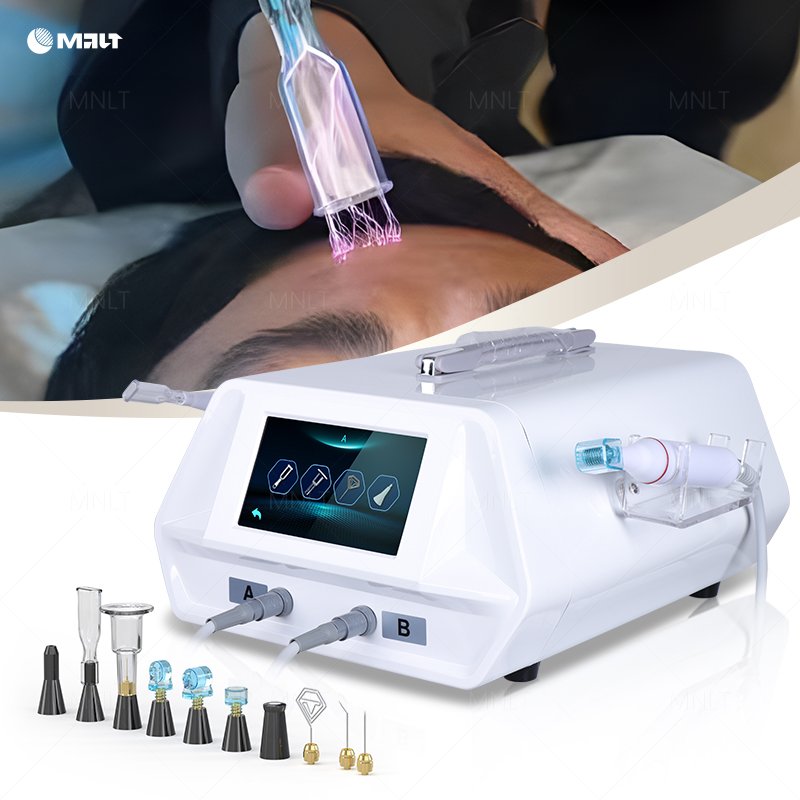
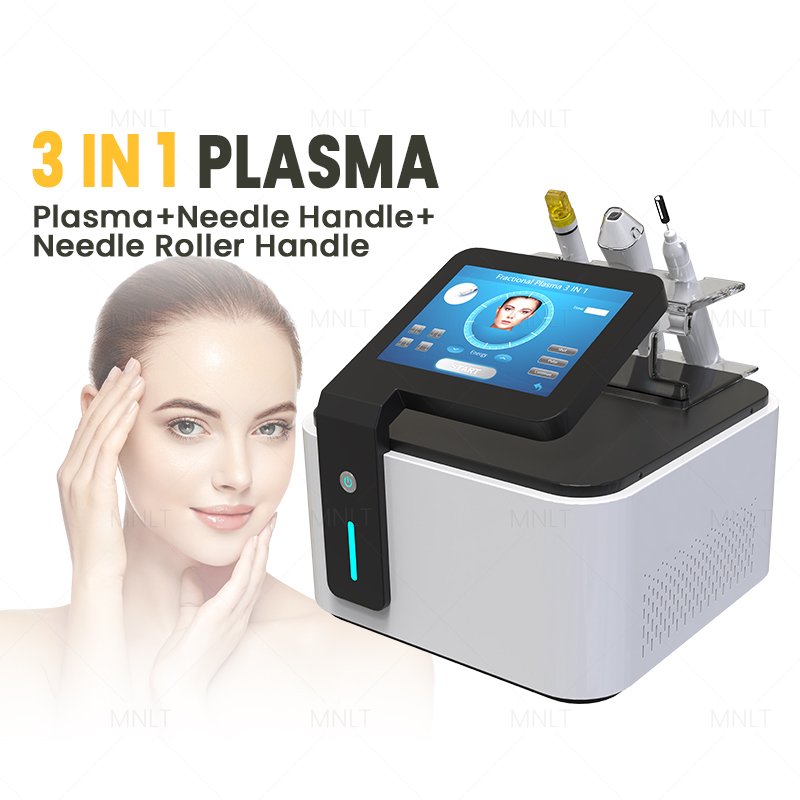
- Clinical-grade fusion plasma devices require adjustable plasma intensity (typically 3–5 levels), multiple tip configurations (fine-point, broad-area, and infusion), CE/FDA/MDR/ISO 13485 certification, and dual-voltage compatibility for international clinic use.
- Average session pricing in EU and North American aesthetics markets: $150–$400 per treatment area; standard protocols require 1–3 sessions per patient, creating per-patient gross revenue of $150–$1,200 depending on indication and clinic positioning.
- Break-even on a factory-direct fusion plasma machine purchase is typically achieved within 15–40 clinical sessions — or 5–15 working days at standard clinic volumes — after which every session is high-margin recurring revenue.
- MNLT Laser manufactures CE/FDA/MDR/ISO 13485-certified fusion plasma devices with 19 years of production experience, OEM capability, and global supply to 20,000+ clinics across 120+ countries.
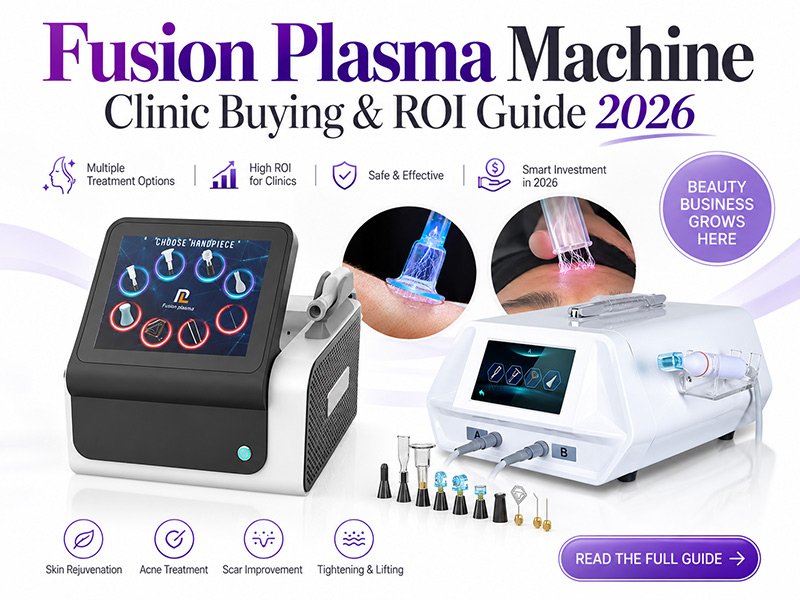
Fusion plasma technology has established itself as one of the highest-margin non-surgical treatments in the modern aesthetics clinic menu — and the equipment investment required to deliver it has dropped substantially as factory-direct sourcing has displaced legacy distribution channels. But the buying decision is more nuanced than it first appears. Plasma intensity specifications, tip configuration range, certification traceability, and supplier after-sales depth all determine whether your machine delivers consistent clinical outcomes at clinic volume or becomes an expensive source of client complaints. This guide gives clinic owners, medical spa directors, and aesthetics equipment distributors a structured framework for making the right fusion plasma machine sourcing decision in 2026.
Why Fusion Plasma Belongs in Your Clinic's Treatment Menu
Fusion plasma — the combination of atmospheric plasma sublimation and simultaneous electroporation or radiofrequency energy — addresses a treatment gap that no other non-surgical modality fills as precisely: controlled micro-trauma at the epidermal-dermal junction, without the recovery burden of ablative laser or the pricing complexity of surgical referral.
The clinical indications are both broad and commercially valuable:
- Periorbital rejuvenation and non-surgical blepharoplasty: upper and lower eyelid tightening without incision — one of the highest-demand treatments in EU and North American aesthetic markets
- Skin tightening: jawline, neck, décolleté, and nasolabial area tightening through collagen contraction and neocollagenesis stimulation
- Scar revision: acne scars, surgical scars, and stretch marks through controlled sublimation and remodelling stimulus
- Skin resurfacing: texture irregularities, enlarged pores, and mild pigmentation correction
- Active ingredient infusion: electroporation-mediated delivery of hyaluronic acid, growth factors, and peptide serums — extending treatment outcomes and increasing consumable revenue per session
What makes fusion plasma particularly attractive from a clinic business perspective is the combination of high session pricing, low consumable cost, and strong repeat-booking behaviour. Clients who achieve meaningful results from periorbital tightening or scar revision return for maintenance sessions — and refer within their social network at high rates.
For a detailed overview of how fusion plasma technology works and the treatment outcomes clinics and patients can expect, see our guide to plasma fusion facial treatment and skin rejuvenation applications.
Core Specifications: What a Clinical-Grade Fusion Plasma Machine Must Deliver
Before evaluating any supplier, establish the minimum specification your clinic’s intended treatment menu requires. The following table defines clinical-grade standards and flags the limitations that underperform in practice:
| Specification | Clinical Standard | Limitation Flag |
|---|---|---|
| Plasma intensity levels | ≥3 adjustable levels | Fixed single intensity only |
| Tip configurations | Fine-point + broad-area + infusion | Single tip type |
| Plasma frequency | Adjustable, 50–200 Hz range | Fixed frequency, undisclosed |
| Electroporation capability | Yes — simultaneous or switchable | Plasma sublimation only |
| Treatment area coverage | Point, area, and infusion modes | Single mode only |
| Session timer / pulse control | Adjustable pulse duration | No timing control |
| Certification | CE, FDA, MDR, ISO 13485 — traceable | Certificate image without registry number |
| Voltage compatibility | Dual-voltage (100–240V / 50–60Hz) | Single voltage |
| Handpiece ergonomics | Lightweight, balanced, low heat-transfer | Heavy, unbalanced |
| Consumable tip system | Sterile single-use or autoclavable | Reusable with no sterilisation pathway |
The intensity level range is the most clinically critical parameter. Fine periorbital work around the eyelids requires the lowest intensity setting — a single fixed-intensity machine deployed for periorbital treatment creates unacceptable risk of over-treatment. A minimum of three adjustable levels is the clinical baseline; five levels is preferred for practitioners offering the full indication range.
Supplier Evaluation: 5 Criteria That Separate Reliable Partners from Risky Vendors
1. Certification Depth and Traceability
CE marking, FDA clearance, MDR compliance, and ISO 13485 are the regulatory minimum. The critical qualifier is traceable: request the specific certificate number for each credential and verify it independently through the EU NANDO database (CE), FDA CDRH public registry (FDA), and the relevant ISO certification body. A certificate image or a logo on a product page is not verification. A manufacturer with genuine, current certifications will provide traceable numbers within 24 hours of a written request.
MDR compliance is particularly important for clinics marketing fusion plasma as a medical or para-medical procedure in EU markets — it is the regulatory framework that determines whether the device’s clinical positioning is defensible under professional liability.
2. Tip Configuration Ecosystem
A fusion plasma machine is only as clinically versatile as the tip range it supports. Confirm availability of: fine-point plasma tips for precision periorbital and scar work (0.3–0.5mm diameter), medium broad-area tips for larger treatment zones, and electroporation infusion heads for active ingredient delivery protocols. Ask explicitly whether all tip types are included in the quoted price or priced separately — and confirm sterilisation or single-use replacement cost per session.
3. After-Sales Support Infrastructure
Plasma devices are high-frequency precision instruments. Handpiece wear, tip connector degradation, and power regulation components all require maintenance over the device’s service life. Before finalising any purchase, establish: warranty period and coverage scope, lead time for spare tips and replacement handpieces, 24/7 versus business-hours technical support, and availability of remote diagnostics for software or power issues. A supplier who cannot commit to these in writing before the purchase order is signed is not structured to support a multi-year clinical deployment.
4. Training and Clinical Protocol Documentation
Fusion plasma is a skill-dependent technology — operator technique directly affects client outcomes. Confirm that the manufacturer provides: a clinical protocol library covering all supported indications, a contraindications guide (including absolute contraindications for periorbital work), operator training in video and/or live format, and a treatment planning reference for combination protocols.
For context on how fusion plasma integrates with other skin treatments and what client outcomes evidence supports, the cold fusion plasma safety and treatment overview is a useful practitioner reference.
5. OEM and Private Label Capability
For clinic groups building a proprietary treatment brand identity, or distributors sourcing for regional resale under a house brand, OEM capability is a long-term requirement — not an optional extra. Confirm whether the manufacturer can deliver: custom branding on the device body and packaging, localised documentation, and device colour customisation. A factory without OEM infrastructure cannot scale with your commercial ambitions.
ROI Calculator: What a Fusion Plasma Machine Earns in Your Clinic
The following model uses conservative EU/NA market assumptions to illustrate the return on investment profile of a factory-direct fusion plasma machine purchase:
| Variable | Conservative | Mid-Range | Optimistic |
|---|---|---|---|
| Machine purchase price (factory-direct) | $5,500 | $5,500 | $5,500 |
| Sessions per day | 2 | 4 | 6 |
| Average session revenue | $150 | $200 | $300 |
| Consumable cost per session (tips + products) | $15 | $15 | $15 |
| Net revenue per session | $135 | $185 | $285 |
| Daily net revenue | $270 | $740 | $1,710 |
| Break-even (working days) | ~20 days | ~7 days | ~3 days |
| Year-1 net revenue (250 working days) | $67,500 | $185,000 | $427,500 |
At the mid-range scenario — 4 sessions per day at 200persession—a200persession—a5,500 factory-direct fusion plasma machine generates $185,000 in annual net revenue, representing a 33× return on the equipment investment in year one.
The key driver is the near-zero consumable cost structure. Unlike RF or laser platforms that require expensive consumable cartridges or gas refills, fusion plasma tip consumable cost is 5–5–15 per session depending on tip type and whether single-use or autoclavable tips are used. This means the per-session economics remain strong even at entry-level session pricing.
Browse the full range of professional skin care devices — including fusion plasma — on the skin care device product category page to compare specification options before contacting the commercial team.
Why Clinics Choose MNLT as Their Fusion Plasma Machine Supplier
MNLT Laser (Shandong Moonlight Electronics Tech Co., Ltd.) has been manufacturing professional aesthetic devices for 19 years, supplying 20,000+ clinics across 120+ countries. The fusion plasma machine range is produced in an ISO 13485-certified facility with CE marking, FDA clearance, and MDR compliance — all verifiable through public registries.
The MNLT advantage for fusion plasma sourcing:
- Full tip ecosystem: fine-point, broad-area, and electroporation infusion tips included as standard — no accessory upsell required
- ≥3 adjustable plasma intensity levels: clinical-grade flexibility for the full indication range from periorbital precision to broad-area resurfacing
- CE / FDA / MDR / ISO 13485 certified: traceable certificate numbers provided with every order
- 24/7 technical support: global after-sales coverage, remote diagnostics, spare parts logistics
- OEM/private label capability: custom device branding and documentation for distributor and clinic group partners
- Factory-direct pricing: 2,500–2,500–7,000 for a full clinical configuration — versus 10,000–10,000–25,000 through branded distribution channels
- Transparent consumable pricing: tip replacement costs disclosed pre-purchase, no lock-in model
Inquire Now
Fill out the form for more information, and an MNLT product manager will contact you shortly!
FAQ: Fusion Plasma Machine for Clinics — Buying & ROI
How much does a fusion plasma machine cost for a clinic?
Factory-direct fusion plasma machines from CE/FDA-certified manufacturers typically range from $2,500 for entry-level single-tip configurations to $7,000 for full clinical suites with multiple tip types and electroporation capability. Branded or distributor-supplied equivalents in the same specification class commonly retail at $10,000–$25,000 — a 3–5× premium for the same core technology. The primary driver of this gap is the distribution margin structure: factory-direct purchasing eliminates intermediary markups while delivering the same certified hardware and after-sales support from the original manufacturer.
What certifications does a fusion plasma machine need for clinical use?
The minimum certification baseline for a fusion plasma machine deployed in a clinical setting in regulated markets is: CE marking (EU market access), FDA clearance (US market access), MDR compliance (EU Medical Device Regulation — required for clinical-grade positioning in European aesthetics practices), and ISO 13485 Quality Management System certification. Always request the specific certificate number for each credential and verify it through the issuing body's public registry — not from a certificate image or product page logo. MDR compliance is especially important for clinics marketing fusion plasma as a medical or para-medical procedure in EU markets.
What skin conditions can a fusion plasma machine treat in a clinic?
Clinical fusion plasma machines are used in aesthetic practice for: non-surgical periorbital tightening and blepharoplasty (upper and lower eyelid), skin tightening on the jawline, neck, and décolleté, acne scar and surgical scar revision, skin texture resurfacing, treatment of enlarged pores, mild pigmentation correction, and active ingredient infusion via electroporation for hyaluronic acid, growth factors, and peptide serums. The specific indications supported by a given device depend on its tip configuration range — fine-point tips for periorbital precision, broad-area tips for larger zones, and infusion heads for ingredient delivery protocols.
How quickly does a fusion plasma machine pay for itself in an aesthetics clinic?
At factory-direct pricing of $5,500 for a full clinical configuration and a conservative session price of $150 with 4 sessions per day, a fusion plasma machine generates approximately $740 in net daily revenue after consumable costs ($15/session for tips and products). Break-even at this volume is achieved in approximately 7 working days. At mid-market session pricing of $200 and the same session volume, annual net revenue is approximately $185,000 — a 33× return on equipment investment in year one. The near-zero consumable cost structure (tips at $5–$15/session versus $50–$200/session for laser or RF cartridges) is the primary driver of this margin profile.
What is the MOQ for buying fusion plasma machines for distribution or resale?
MOQ varies by supplier and order configuration. For standard (non-OEM) stock units, many factory-direct manufacturers including MNLT Laser offer single-unit or low-MOQ purchasing suitable for clinic evaluation orders and first-time distributor purchases. OEM/branded configurations — custom logo, device colour, packaging, and documentation — carry higher MOQ thresholds to cover customisation costs, with the specific quantity depending on branding scope. Contact the MNLT commercial team with your target volume, market, and OEM requirements to receive a written MOQ and pricing proposal.
Can I get a fusion plasma machine with OEM/private label branding for my clinic or distribution brand?
Yes — OEM and ODM customisation is available from factory-direct manufacturers including MNLT Laser. Customisation typically includes: custom logo and brand name on the device body and handpiece, branded packaging and carry case, custom device colour scheme, and localised operator documentation in your language. OEM orders follow a design review and sample approval process before full production. Lead time for OEM configurations is typically 30–45 days versus 15–25 days for standard stock units. Confirm design approval steps, MOQ, and production timeline in writing before committing to an OEM order.
What after-sales support should I expect from a fusion plasma machine supplier?
Minimum after-sales support for a professional fusion plasma machine deployment includes: a written warranty (minimum 12 months covering manufacturing defects and handpiece failure), 24/7 or business-hours-aligned technical support access, spare tip and handpiece availability with committed lead times to your market, remote diagnostics capability for power regulation or software issues, and a comprehensive training pack (clinical protocol library, contraindications guide, operator training video, and treatment planning reference). A supplier who cannot commit to these in writing before the purchase order is signed is not structured to reliably support a multi-year clinic deployment.
David Ma
CTO & Chief Engineer, MNLT Laser — 19 years in aesthetic device manufacturing