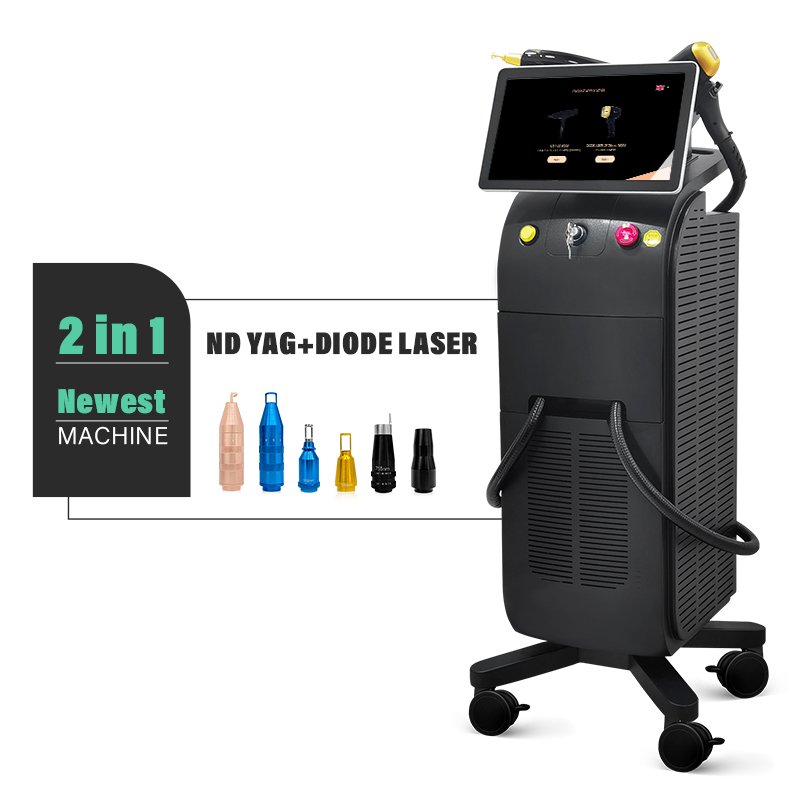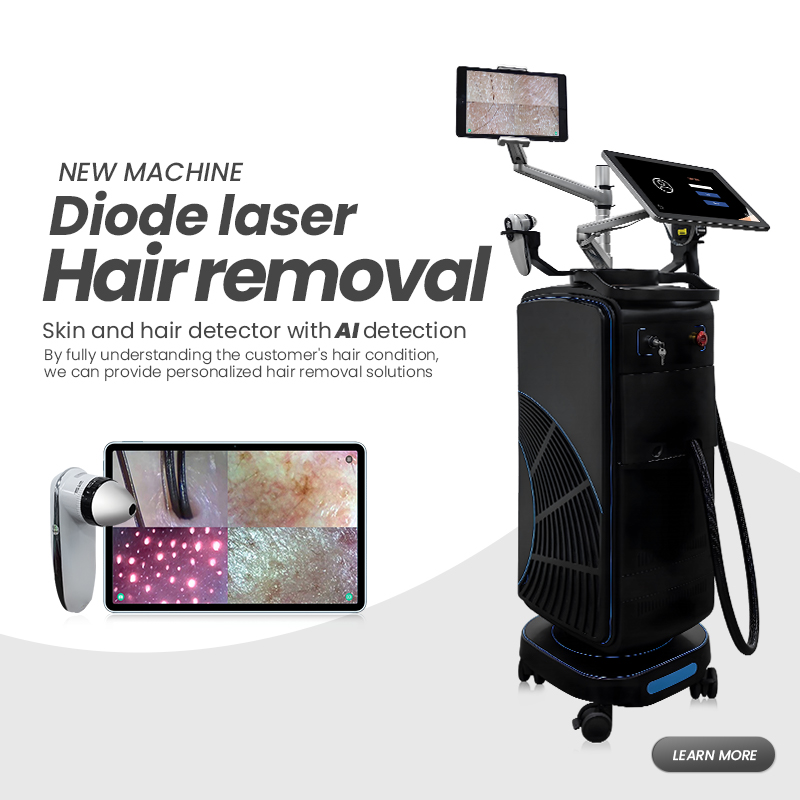
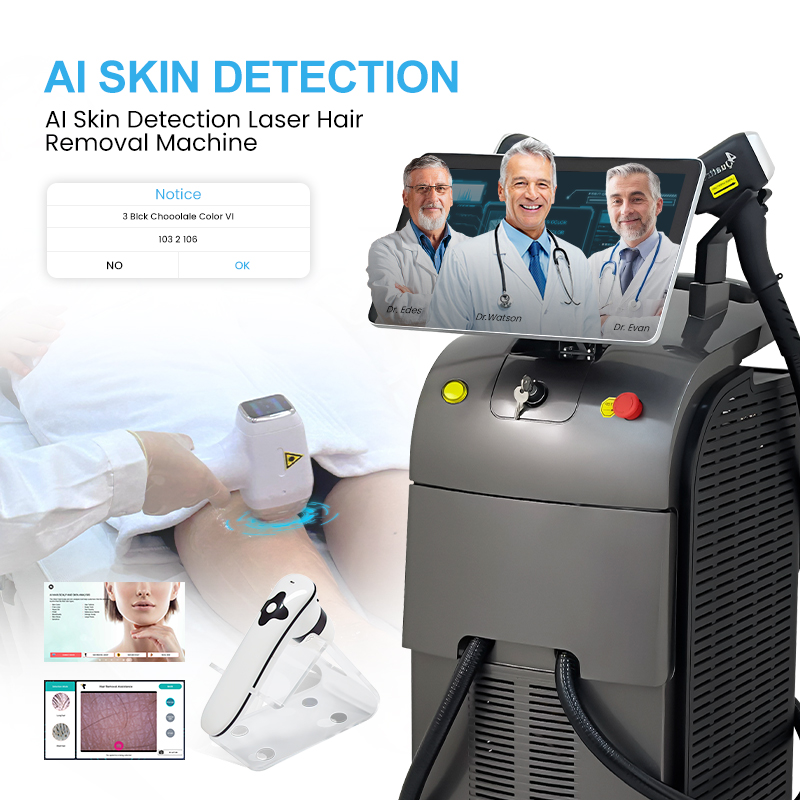
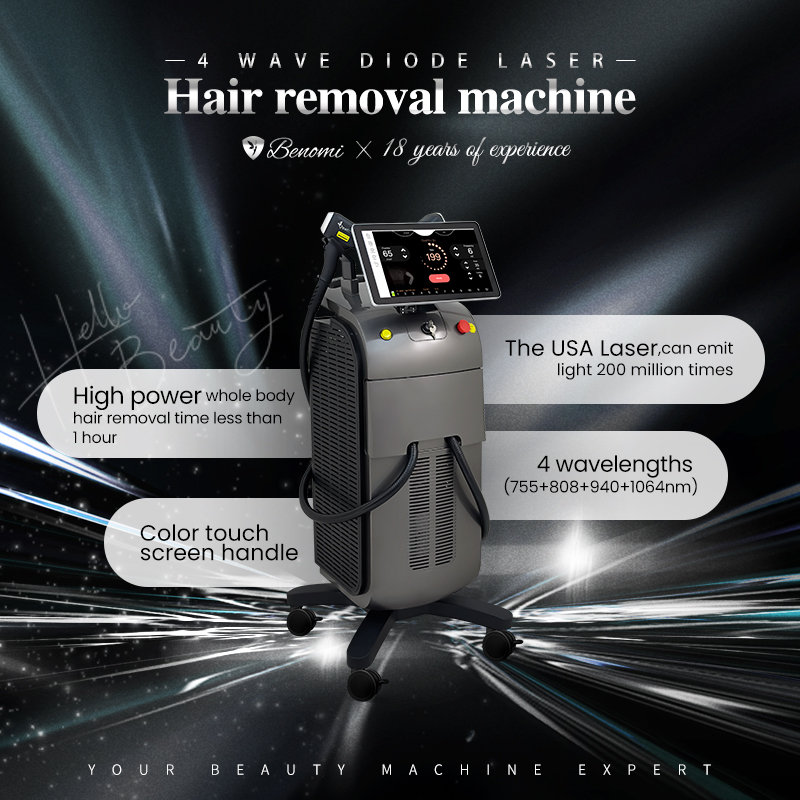
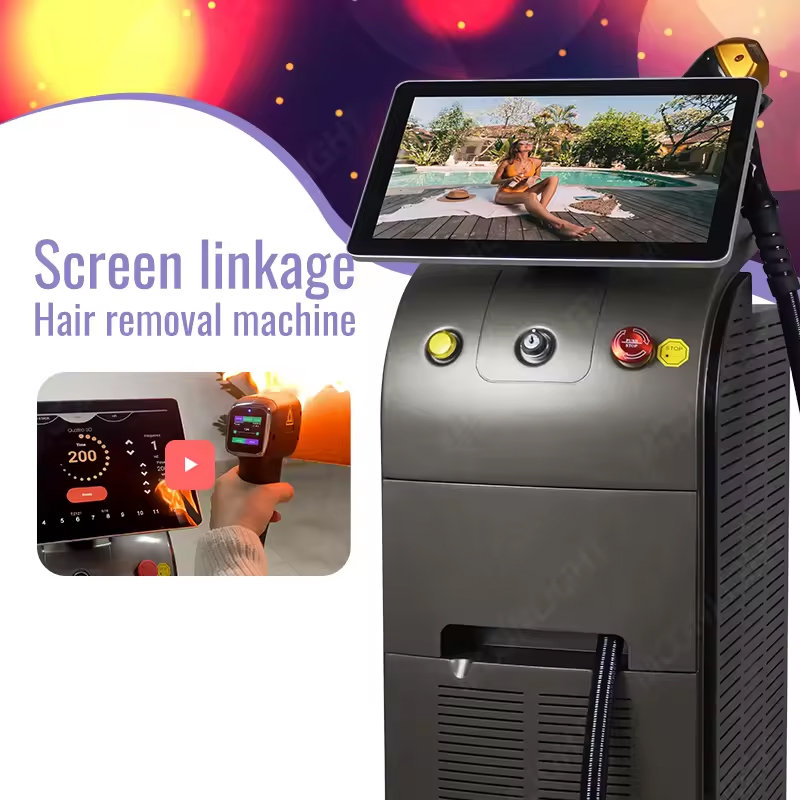
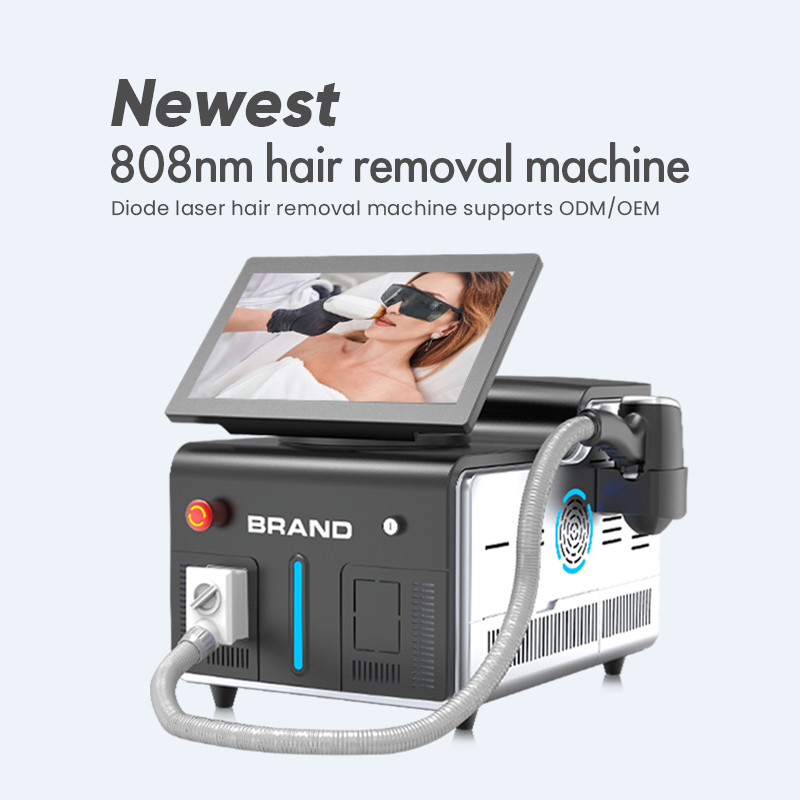
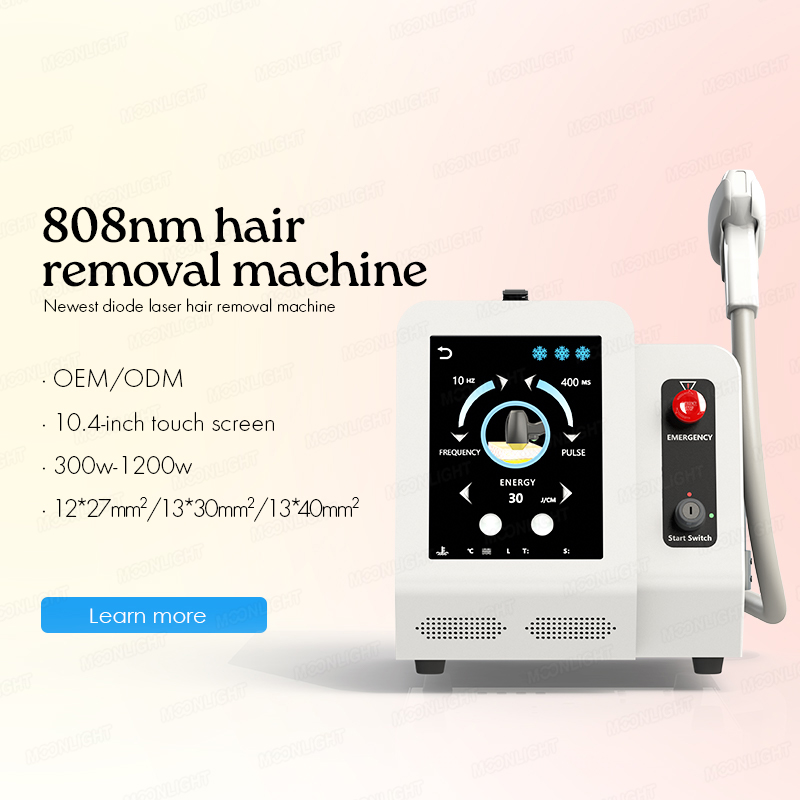
A tattoo removal machine is a medical-grade laser device that delivers concentrated light energy at specific wavelengths to fragment tattoo ink particles embedded in the dermis. The fragmented particles are then cleared by the body’s lymphatic system over 4–12 weeks. In 2026, two core technologies dominate clinical tattoo removal: picosecond lasers (pulse duration: 450–750 picoseconds) and Q-switched Nd:YAG lasers (pulse duration: 5–20 nanoseconds). Both achieve ink destruction through selective photothermolysis, but differ fundamentally in clearance speed, ink color range, and skin safety profile across Fitzpatrick types I–VI.
4 Numbers That Define the 2026 Tattoo Removal Market
6–10 sessions average for full tattoo clearance with Q-switched Nd:YAG; 3–6 sessions with picosecond systems on professional tattoos
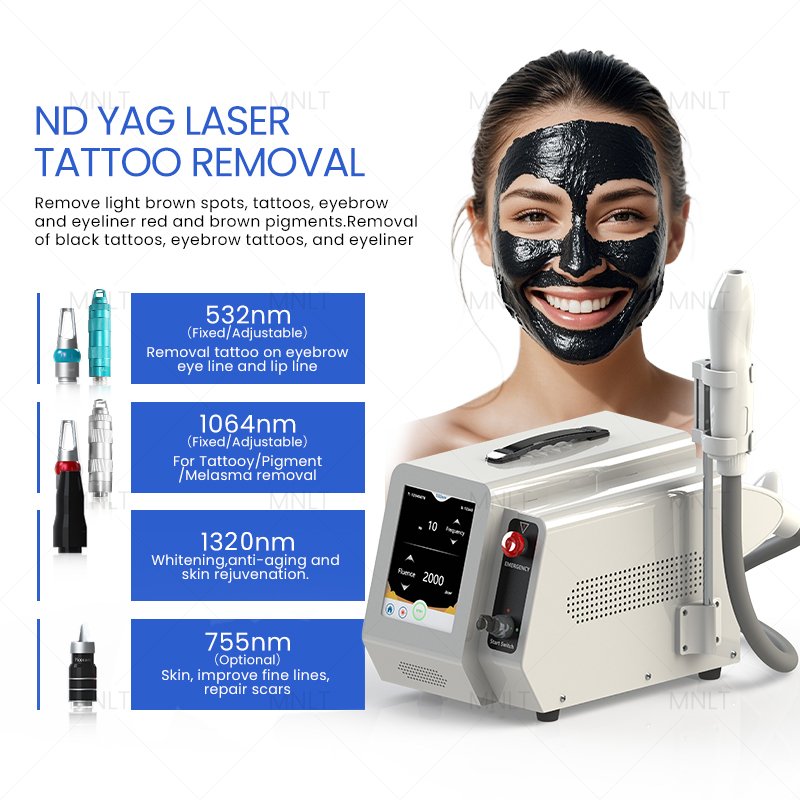
532nm + 1064nm dual-wavelength Nd:YAG covers black, blue, and red inks; picosecond adds 755nm for green and difficult pigments
Tattoo removal sessions are priced at $150–$500 per session in the EU and North America — a single machine can generate $8,000–$20,000/month at moderate utilization
Factory-direct clinic-grade systems start at $3,500–$8,000; equivalent Western-brand devices list at $30,000–$80,000+
What Is a Tattoo Removal Machine and How Does It Work?
Tattoo removal lasers operate on the principle of selective photothermolysis: laser energy is absorbed by specific chromophores (tattoo ink) while leaving surrounding dermal tissue largely unaffected. When the laser pulse is shorter than the ink particle’s thermal relaxation time, the particle shatters into micro-fragments small enough for macrophage uptake and lymphatic clearance.
The two parameters that define how well a machine achieves this are:
Wavelength: determines which ink colors absorb the laser energy
Pulse duration: determines whether the energy causes photomechanical fragmentation (picosecond — more effective) or photothermal destruction (nanosecond — effective but slower)
Picosecond Laser vs Nd:YAG: Core Technology Comparison
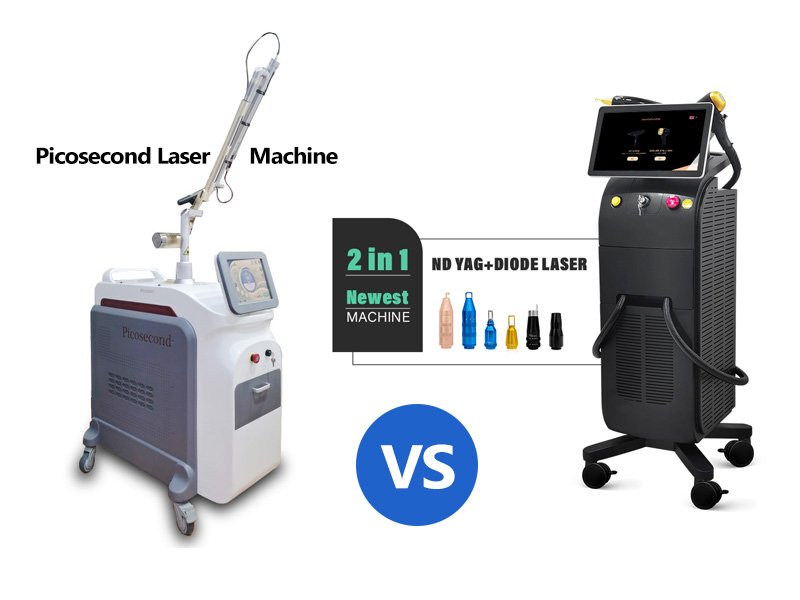
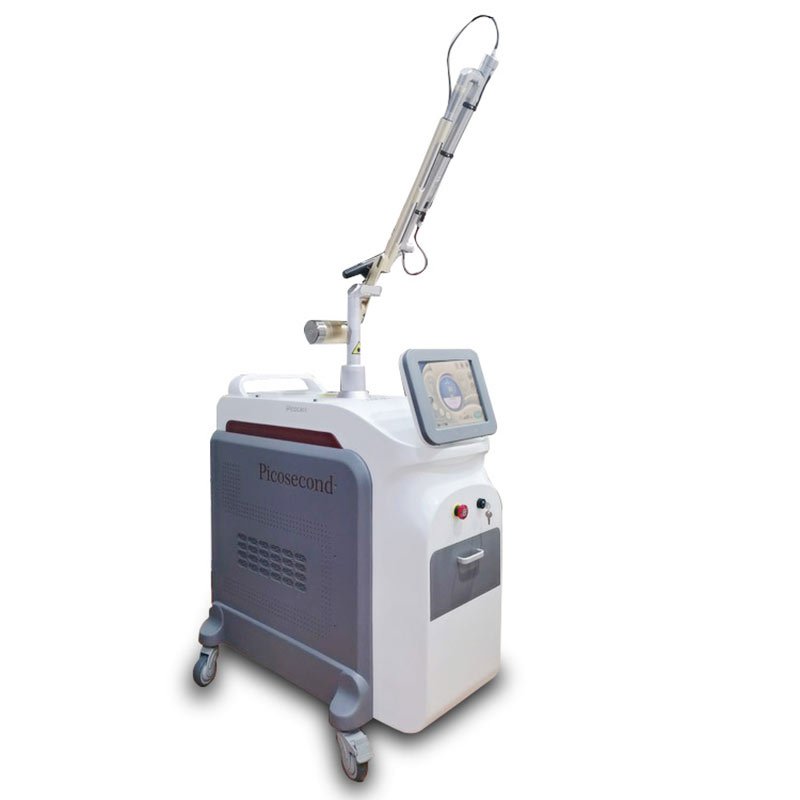
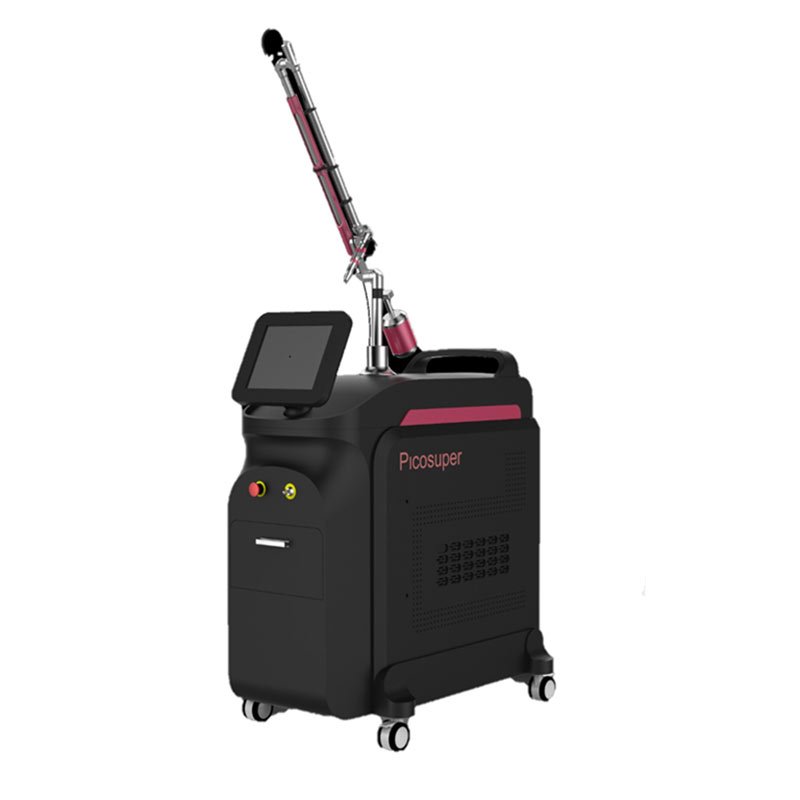
Picosecond Laser Technology
A picosecond laser delivers energy in pulses measured in trillionths of a second (typically 450–750ps). This ultra-short pulse duration generates a photoacoustic (pressure wave) effect rather than a purely thermal one. The result is more complete ink fragmentation per session, allowing the body’s immune system to clear smaller particles more efficiently.
Clinical advantages:
- 40–75% fewer sessions required compared to Q-switched Nd:YAG on the same tattoo (as documented in peer-reviewed dermatology literature)
- Effective on resistant ink colors: green (532nm), blue (755nm), and multi-color tattoos
- Lower risk of post-inflammatory hyperpigmentation (PIH) on Fitzpatrick types III–V
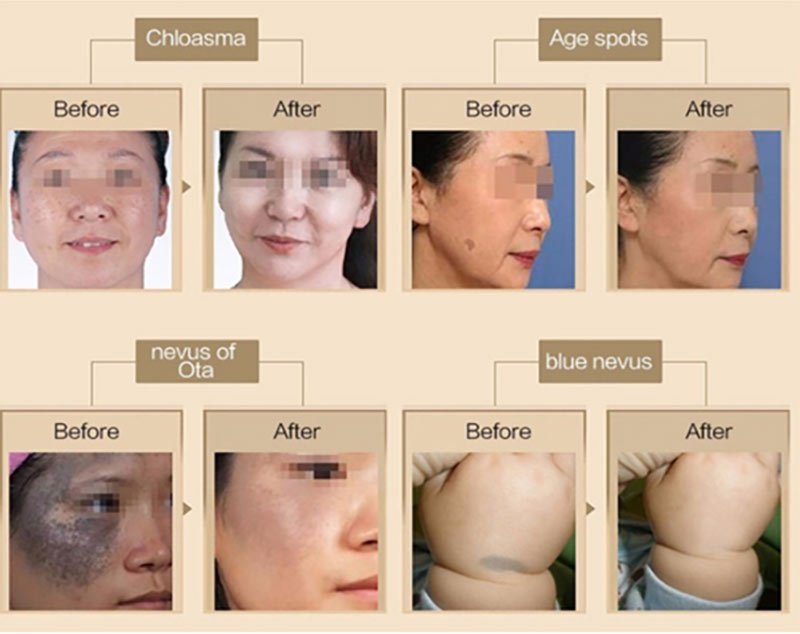
- Suitable for benign pigmented lesions in addition to tattoo removal
Key specifications (clinical standard, 2026):
| Parameter | Specification |
|---|---|
| Wavelengths | 532nm / 755nm / 1064nm |
| Pulse Duration | 450–750 picoseconds |
| Spot Size | 2–10mm adjustable |
| Repetition Rate | 1–10Hz |
| Energy Fluence | Up to 1,800 mJ/cm² |
Q-Switched Nd:YAG Laser Technology
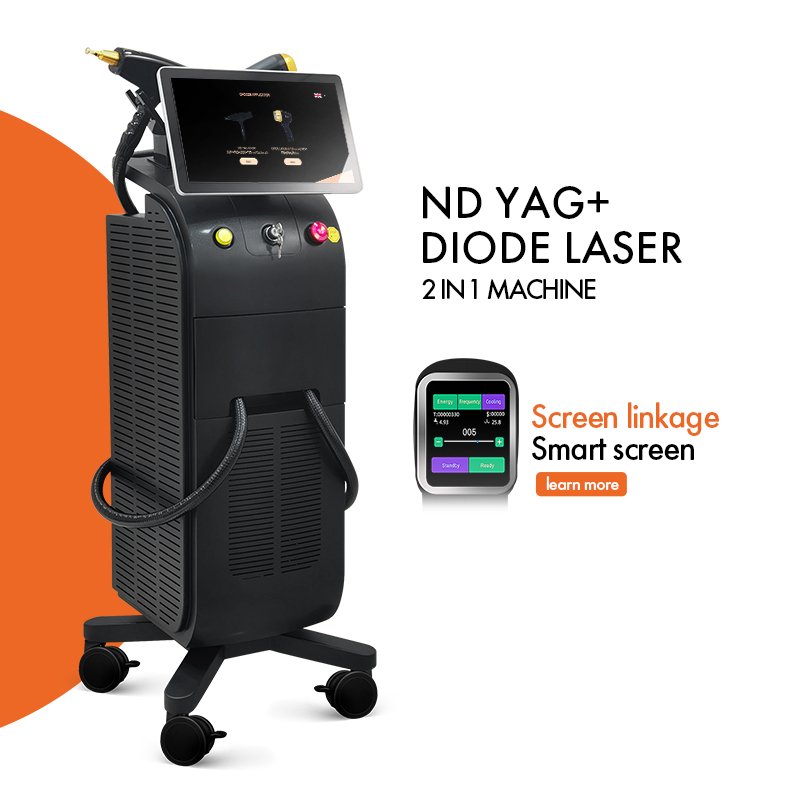
The Q-switched Nd:YAG is the established clinical standard for tattoo removal, in continuous use since the early 1990s. It operates in nanosecond pulse durations (5–20ns) and is particularly effective on black and dark blue inks at 1064nm, with a frequency-doubling KTP crystal generating 532nm for red and orange pigments.
Clinical advantages:
- Proven 30+ year safety and efficacy record
- Lower equipment acquisition cost — accessible for new clinic entrants
- Highly effective on black tattoos (the most prevalent ink color globally)
- Suitable for all Fitzpatrick skin types when used with appropriate fluence adjustment
- FDA-cleared technology with the most extensive published clinical data
Key specifications (clinical standard, 2026):
| Parameter | Specification |
|---|---|
| Wavelengths | 532nm / 1064nm |
| Pulse Duration | 5–20 nanoseconds |
| Spot Size | 2–12mm adjustable |
| Peak Power | Up to 800 MW |
| Energy Per Pulse | Up to 1,500 mJ |
详情_13.jpg)
Head-to-Head Comparison: Picosecond vs Nd:YAG for Clinics
| Dimension | Picosecond Laser | Q-Switched Nd:YAG |
|---|---|---|
| Ink Colors Treated | All including green/blue | Black, blue, red (limited on green) |
| Sessions Required | 3–6 (professional tattoo) | 6–12 |
| Pulse Duration | 450–750 picoseconds | 5–20 nanoseconds |
| PIH Risk | Lower | Moderate on darker skin types |
| Equipment Cost (factory) | $5,000–$8,000 | $3,500–$6,000 |
| Revenue Per Session | $250–$500 | $150–$350 |
| ROI Timeline | 30–60 days (typical) | 20–45 days (typical) |
| Ideal For | Multi-color, resistant tattoos | High-volume, black-ink focused |
| FDA Clearance Status | 510(k) cleared | 510(k) cleared |
Clinical Evidence: What the Research Shows
Selecting a tattoo removal platform should be grounded in peer-reviewed data. A 2020 systematic review and meta-analysis published on NCBI PubMed (PMID: 32141119) evaluated picosecond versus nanosecond laser systems for tattoo removal across 12 clinical studies. The review found picosecond devices achieved statistically superior clearance rates at 12-week follow-up — particularly for multicolored tattoos and resistant blue-green pigments — while demonstrating a comparable safety profile to Q-switched nanosecond systems when used within published fluence guidelines.
All tattoo removal laser devices sold for clinical use in the United States require 510(k) clearance through the FDA’s Center for Devices and Radiological Health. Buyers can verify any device’s clearance status by searching the manufacturer’s registered name at the FDA 510(k) premarket notification database.
Which Machine Should Your Clinic Buy in 2026?
Choose a Picosecond System If:
- Your client base includes multicolored or amateur tattoos
- You are positioned as a premium clinic and can support higher session pricing ($300–$500)
- You want to reduce average session count per client to improve throughput
- Your market includes clients with Fitzpatrick types III–V (lower PIH risk is a competitive advantage)
Browse the full MNLT picosecond laser machine range for configuration options and dual-wavelength specifications.
Choose a Q-Switched Nd:YAG System If:
- You are entering the tattoo removal market for the first time with a controlled capital budget
- The majority of your clientele presents black or dark blue professional tattoos
- You need a high-utilization system with proven maintenance simplicity
- You plan to offer tattoo removal as a complementary service alongside other treatments
Explore the full MNLT Nd:YAG laser machine range for multi-wavelength configurations with KTP frequency-doubling for red ink coverage.
Clinic ROI Model: Tattoo Removal in 2026
The following projections illustrate realistic revenue scenarios for a mid-market aesthetic clinic in the EU or North America, using a factory-direct system at $6,000 acquisition cost.
⚠️ Disclaimer: These figures are illustrative projections based on 2026 market pricing benchmarks. Actual revenue varies by location, treatment volume, and pricing strategy. These are not financial guarantees.
| Scenario | Sessions/Day | Days/Month | Revenue/Session | Monthly Gross | Break-Even |
|---|---|---|---|---|---|
| Conservative | 3 | 20 | $180 | $10,800 | ~17 days |
| Standard | 5 | 22 | $250 | $27,500 | ~6 days |
| High Volume | 8 | 25 | $300 | $60,000 | ~3 days |
Revenue acceleration strategies:
- Package pricing (6-session packages at $900–$1,500) improves cash flow predictability and client retention
- Offering same-machine pigmentation and skin rejuvenation treatments between tattoo removal appointments increases revenue per device per day
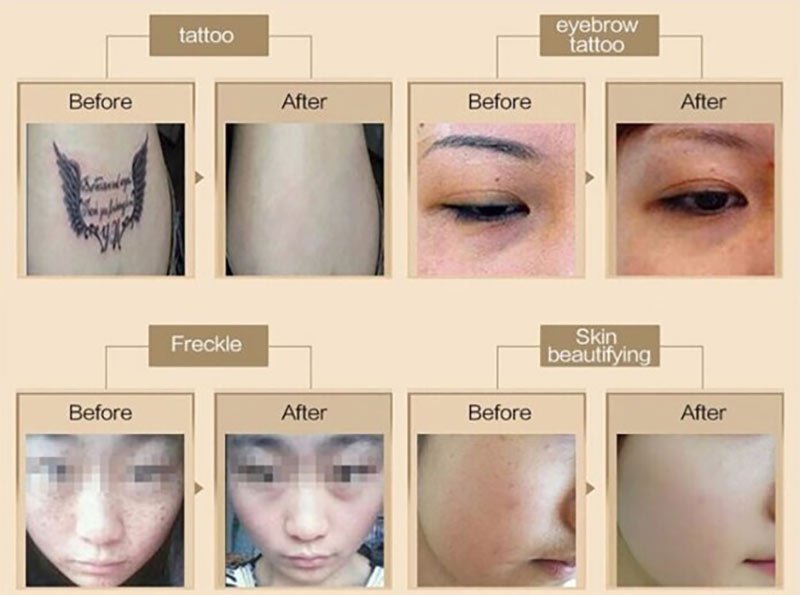
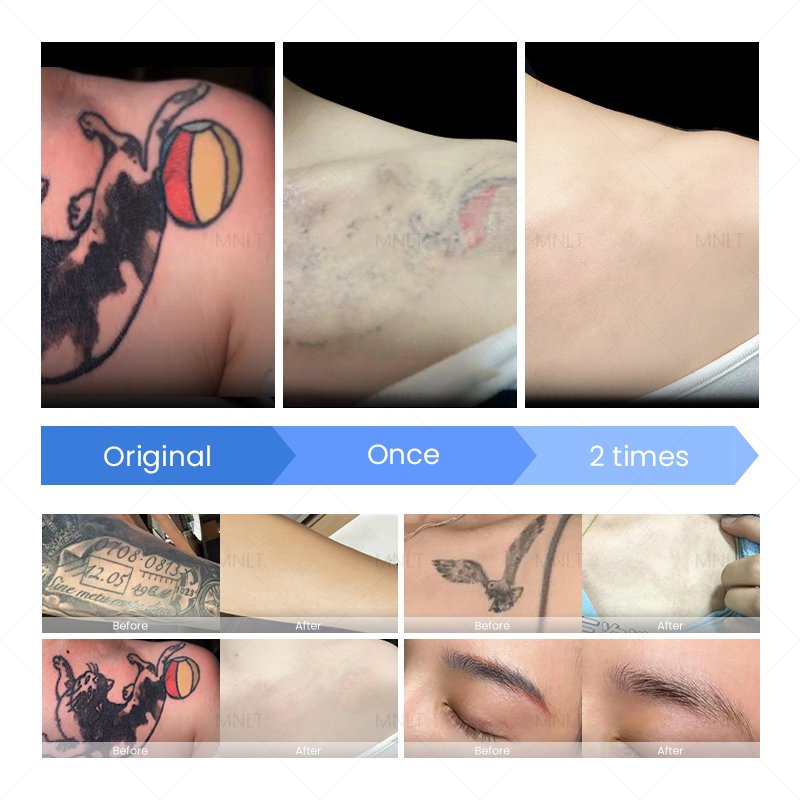
- Before-and-after documentation drives referral bookings — the single highest-converting acquisition channel for tattoo removal services
What to Verify Before Buying Any Tattoo Removal Machine
1. Confirm Pulse Duration — Not Just Wavelength
A machine marketed as “picosecond” must specify its actual pulse duration in picoseconds. Some systems marketed with picosecond branding deliver pulses in the 1,000–2,000ps range — technically picoseconds, but clinically delivering results closer to nanosecond performance. Demand the manufacturer’s spec sheet with independently tested pulse duration data.
2. Verify Certification Numbers Independently
CE and FDA clearance claims are standard in manufacturer marketing. Verify by requesting the actual certificate number and searching it in the issuing body’s public database. For FDA clearance, use the 510(k) premarket database. A certificate that cannot be independently verified should disqualify a supplier from your shortlist.
3. Assess Spot Size Range and Adjustability
Clinical tattoo removal requires treating both fine-line detail (small spot, 2–4mm) and solid-fill areas (larger spot, 6–10mm) within the same session. Systems with only a fixed or limited spot size range require more passes, extending session time and increasing thermal load on the patient’s skin.
4. Confirm After-Sales Infrastructure
Ask specifically: What is the Q-switch lifespan in shots? What is the replacement cost and lead time for the laser head? Does the factory provide on-site or video-supported maintenance training? A well-specified machine with inadequate after-sales support generates operational downtime that directly erodes ROI.
Visit the MNLT tattoo removal machine category page to compare specifications across both picosecond and Nd:YAG platforms.


FAQ: What Clinic Buyers Ask Before Purchasing
1. How many sessions does a tattoo removal machine require to fully clear a professional tattoo?
2. What is the difference between picosecond and nanosecond laser for tattoo removal?
3. Can the same machine remove tattoos on all skin tones?
4. Is it better to buy a picosecond or Nd:YAG machine as a first tattoo removal device?
5. What ongoing maintenance costs should I budget for a tattoo removal laser?
Conclusion: Building a Profitable Tattoo Removal Service in 2026
The tattoo removal market is no longer niche — it is a mainstream aesthetic service with consistent demand growth driven by younger demographics seeking removal of regretted or career-impacting tattoos. For clinic owners, the acquisition decision reduces to two strategic questions: What ink types will you primarily treat? and What capital risk level is appropriate for your business stage?
Q-switched Nd:YAG systems remain the technically validated, financially accessible entry point. Picosecond platforms deliver faster clinical results and justify premium pricing in markets where multi-color tattoo removal is a key service offering.
MNLT Laser manufactures both platform types with CE, FDA, MDR, and ISO 13485 certification, factory-direct pricing, and 24/7 global technical support.
Contact the MNLT technical team to discuss system configuration, receive certified compliance documentation, and obtain factory-direct pricing for your market.
With 15+ years of expertise in optoelectronic and medical aesthetic engineering, David leads MNLT’s R&D team across the full professional aesthetic device portfolio, ensuring all technical content meets the highest standards of accuracy and clinical safety.
Inquire Now
Fill out the form for more information, and an MNLT product manager will contact you shortly!
Best Tattoo Removal Machine Recommendation