
Factory-direct price range: USD 1,500 to 7,000 depending on configuration (portable single-handle to full commercial 4.0 system with OEM branding).
Break-even: At 5 sessions per day at USD 180 per session, a USD 4,500 machine breaks even in under 5 business days.
Zero consumable cost: USD 0 per session (coupling gel only, approximately USD 1 per session).
Minimum certifications: CE, FDA 510(k), and MDR — verify certificate numbers before purchasing.
Step 1: Define Your Clinic's Sourcing Requirements Before Contacting Any Supplier
The most common mistake clinic buyers make is starting with “what’s the cheapest option” rather than “what does my business actually need.” Answer these four questions before reaching out to any manufacturer:
1.1 Treatment Volume Requirement
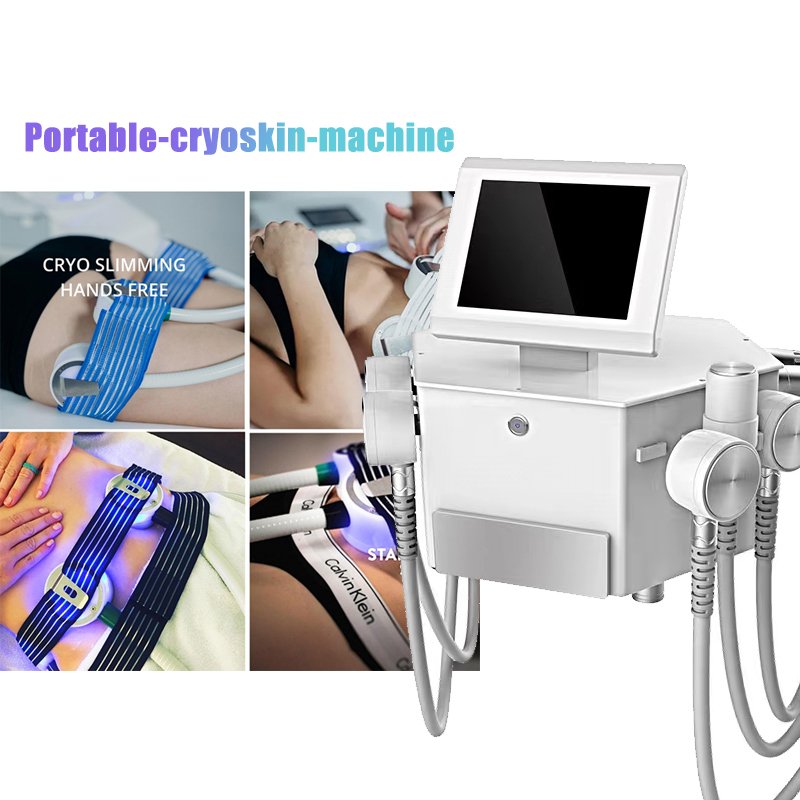
- Low-volume clinics (under 5 sessions/day): A portable or single-handle configuration is sufficient.
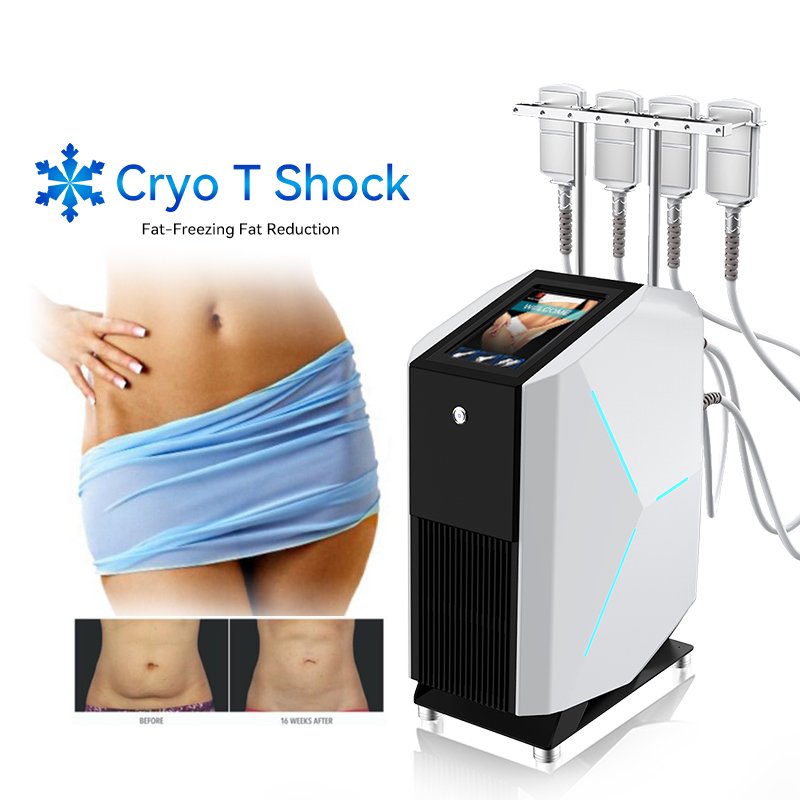
- Mid-volume clinics (5–15 sessions/day): A 4-handle simultaneous treatment system is the right entry point.
- High-volume distributors or franchise chains: You need a heavy-duty commercial unit with auto-cycling software and a dedicated maintenance contract.
1.2 Service Menu Planning
A Cryoskin machine that only does fat reduction is a missed revenue opportunity. In 2026, the highest-ROI configurations offer:
CryoSlimming (fat apoptosis)
CryoToning (cellulite + skin tightening)
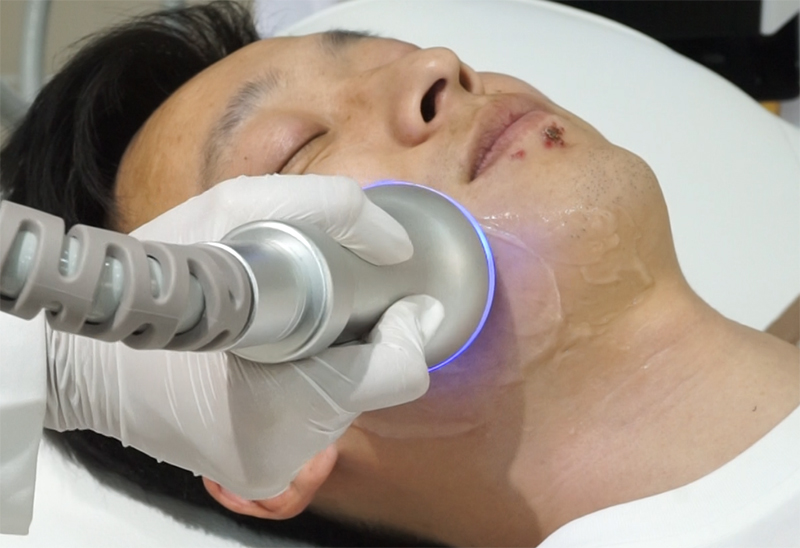
CryoFacial (collagen stimulation, wrinkle reduction)
CryoLifting (non-invasive body contouring)
Confirm your intended service menu before selecting a configuration, as different handle types are required for each modality.
1.3 Budget Framework
Establish three numbers:
Maximum capital expenditure: What you can deploy upfront.
Break-even target: How many months to full cost recovery.
Minimum monthly revenue threshold: The floor revenue required to justify the purchase.
These three numbers will eliminate 80% of the wrong machines from your shortlist before you see a single specification sheet.
Step 2: Supplier Vetting — The 6-Point Checklist
Not all Cryoskin machine factories are equal. When you receive quotes from multiple suppliers, apply this checklist systematically:
✅ 1. Verify Certifications (Not Just Claims)
Request the actual certificate documents with certificate numbers. The minimum standard for a machine sold into Europe, North America, or the Middle East is:
- CE (EU market access)
- FDA (US market access)
- MDR (Medical Device Regulation — critical for clinical-grade claims)
- ISO (Quality Management System)
Ask for the certificate number and verify it independently on the issuing body’s public database. A supplier who cannot provide verifiable certificate numbers should be disqualified immediately.
✅ 2. Confirm Factory vs. Trading Company
In China’s aesthetic equipment market, many “manufacturers” are trading companies reselling third-party products. Request:
- Factory address and a live video call showing the production floor.
- Proof of in-house R&D team (patents, engineering staff, test lab footage).
Factories with genuine manufacturing capability offer substantially better after-sales support and customization flexibility.
✅ 3. Demand Temperature Precision Data
Cryoskin treatment efficacy depends entirely on temperature consistency. Ask the supplier to provide:
- Real-time temperature accuracy specification (the MNLT standard is ±0.1°C digital control).
- Data from continuous-use testing (does accuracy degrade after 6 hours of operation?).
A machine that drifts to -13°C when programmed for -10°C delivers inconsistent results and creates client dissatisfaction within weeks.
✅ 4. Evaluate After-Sales Infrastructure
Before committing, confirm:
- Warranty period: Industry minimum is 1 years on core components.
- Spare parts availability: Can parts be shipped within 5–7 business days?
- Remote support: Does the factory offer live video troubleshooting?
- Training: Is operator certification included, or is it an add-on cost?
✅ 5. OEM/ODM Flexibility
If you are a distributor or building a clinic brand, white-label customization is a revenue multiplier. Confirm:
- Custom housing color and branding
- Multilingual interface options
- Custom packaging for resale
✅ 6. Trade Assurance and Payment Security
Reputable factories accept payment through verifiable channels: T/T bank transfer, PayPal, or Alibaba Trade Assurance. Avoid suppliers who only accept cryptocurrency or informal payment methods with no dispute resolution mechanism.
Step 3: Configuration and Price Tier Comparison
The following table reflects the 2026 market pricing structure for Cryoskin machines based on configuration, output capacity, and certification level:
| Configuration | Best For | Handles | Key Feature | Price Range (Factory Direct) | Estimated Break-Even |
| Portable Single-Handle | New clinics, small salons | 1 round head | Entry-level, easy training | $1,500 – $2,500 | 45–60 days |
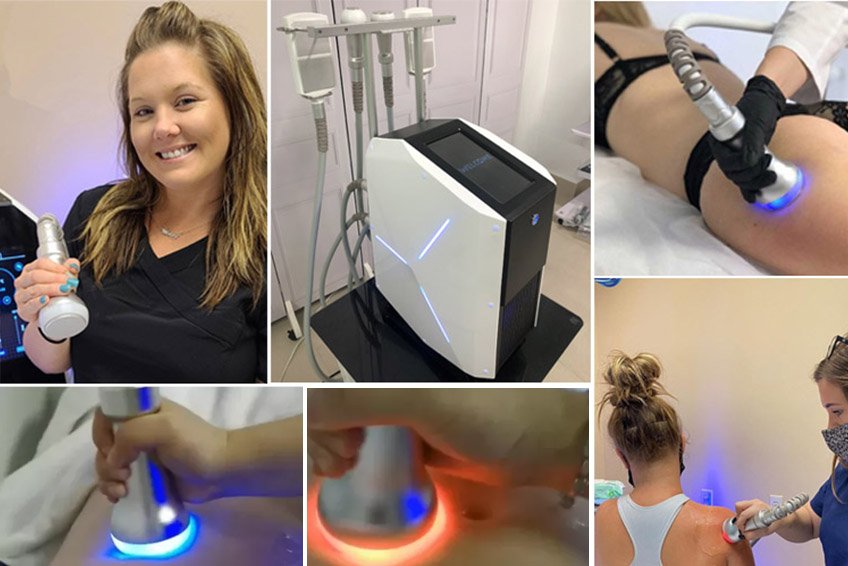
| Dual Round + Dual Square | Multi-zone body slimming clinics | 4 handles | Simultaneous multi-area treatment | $3,000 – $4,500 | 60–90 days |
| Cryoskin + Shockwave Combo | Cellulite & deep tissue clinics | 2 + shockwave | Collagen + fat metabolism | $4,000 – $5,500 | 75–100 days |
| Full Commercial 4.0 System | High-volume clinics, distributors | 4 handles + EMS | AI-autopilot, real-time monitoring | $5,000 – $7,000 | 90–120 days |
| OEM/ODM Custom Build | Branded distributors, resellers | Custom | White-label, full branding | $4,500 – $8,000+ | Variable |
Pricing note: All ranges reflect direct factory pricing from verified manufacturers. Retail and middle-tier distributor pricing is typically 40–80% higher.
Explore the full MNLT Cryoskin machine range to compare configurations.
Step 4:Realistic ROI Scenarios: What to Expect in Your First 3 Months
The table below models three occupancy scenarios. New clinics typically start at 30–50% capacity in Month 1 and reach full capacity by Month 3–4.
Assumptions: Machine cost $4,000 (factory direct) | Revenue per session $180 | 22 operating days/month | No consumable costs
| Scenario | Monthly Sessions | Gross Revenue / Month | 3-Month Cumulative | Break-Even Point |
|---|---|---|---|---|
| Conservative (30% capacity) | 40 sessions | $7,200 | $21,600 | ~17 weeks |
| Moderate (60% capacity) | 80 sessions | $14,400 | $43,200 | ~9 weeks |
| Full Capacity (100%) | 132 sessions | $23,760 | $71,280 | ~3 weeks |
Results vary based on local market pricing, clinic location, and marketing investment. The figures above are illustrative projections based on standard EU/North American market rates.

FAQ: What Serious Buyers Ask Before Purchasing
1. What is the minimum order quantity (MOQ) for distributors?
2. How do I verify that a Cryoskin machine is genuine and not a rebranded low-quality unit?
3. Can a Cryoskin machine be used in a country with no existing regulatory clearance?
4. What ongoing costs should I budget for after purchase?
5. How long does shipping take from China, and what documentation is needed?
Conclusion: How to Move Forward
Buying a Cryoskin machine is a structured process, not an impulse decision. The clinics and distributors who generate the fastest ROI in 2026 are those who:
Define their treatment volume and service menu before evaluating hardware.
Vet suppliers on certifications, factory authenticity, and after-sales infrastructure — not just price.
Model the ROI numbers with realistic session volume and package pricing.
MNLT Laser has supported 20,000+ clinics across 120 countries with factory-direct Cryoskin systems, CE/FDA/MDR certification, full OEM/ODM flexibility, and 24/7 technical support. If you are ready to move from evaluation to purchase, contact our sourcing team for a configuration recommendation, certified pricing sheet, and sample treatment protocol.
Inquire Now
Fill out the form for more information, and an MNLT product manager will contact you shortly!
Expert Review
David Ma — Chief Technical Officer (CTO) & Senior Laser R&D Expert, MNLT Laser
With 15+ years of expertise in optoelectronic and medical aesthetic engineering, David leads MNLT's R&D team across the full professional aesthetic device portfolio, ensuring all technical content meets the highest standards of accuracy and clinical safety.