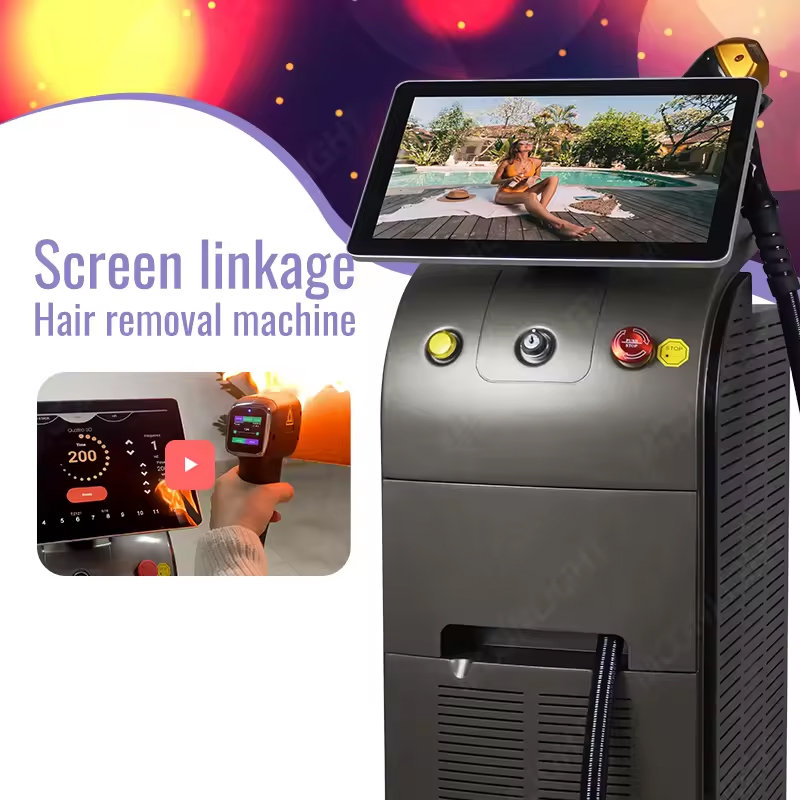
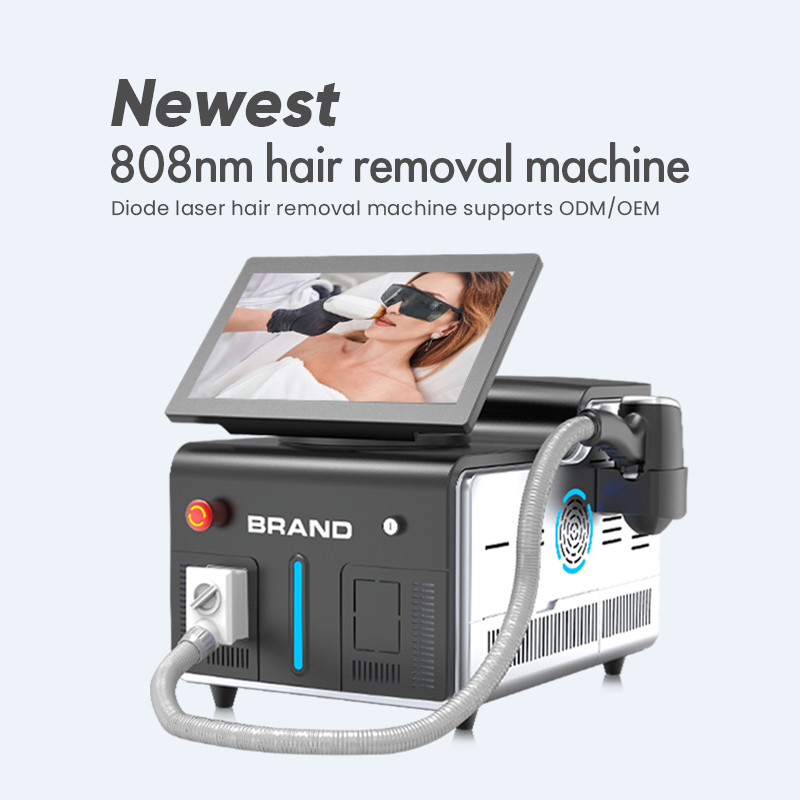
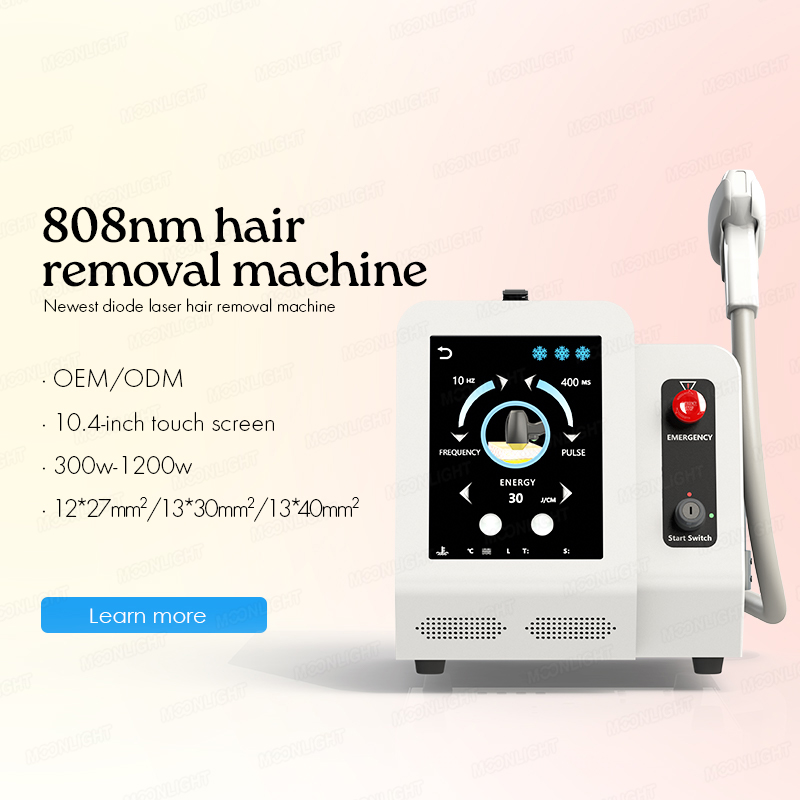
Most professional diode laser hair removal machines last 6–10 years in real clinical use. True lifespan depends on cooling design, power stability, and manufacturing quality—not just advertised shot counts.
When clinics and distributors ask how long a diode laser hair removal machine really lasts, the answers they find online are often vague—or overly optimistic. Claims like “10 million shots” or “15 years lifespan” sound impressive, but they rarely explain what actually determines a machine’s usable life in real clinical settings.
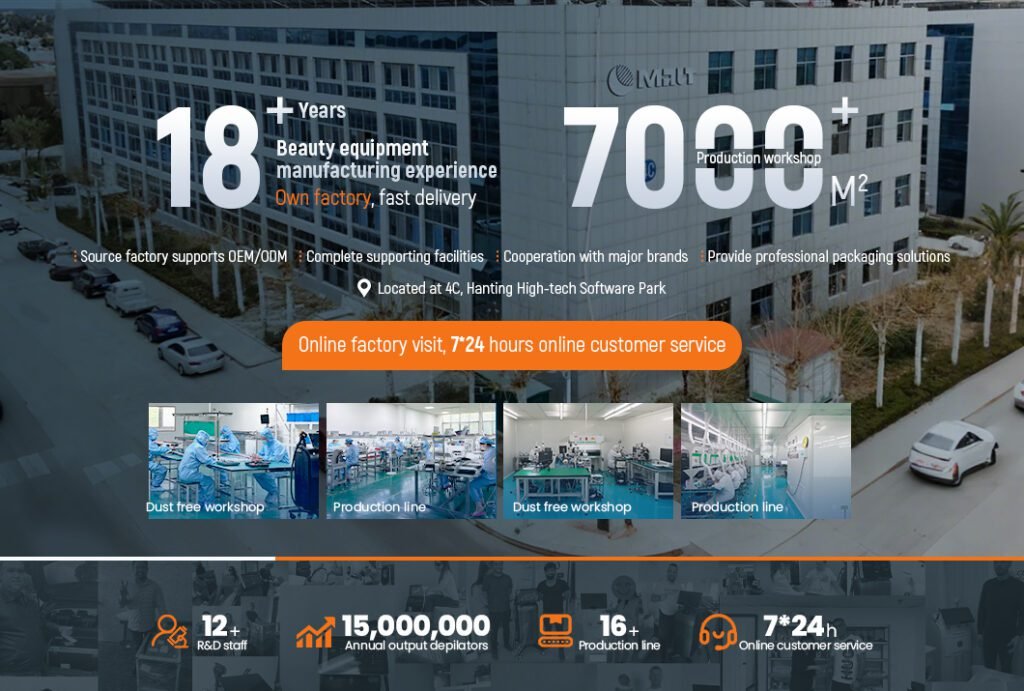
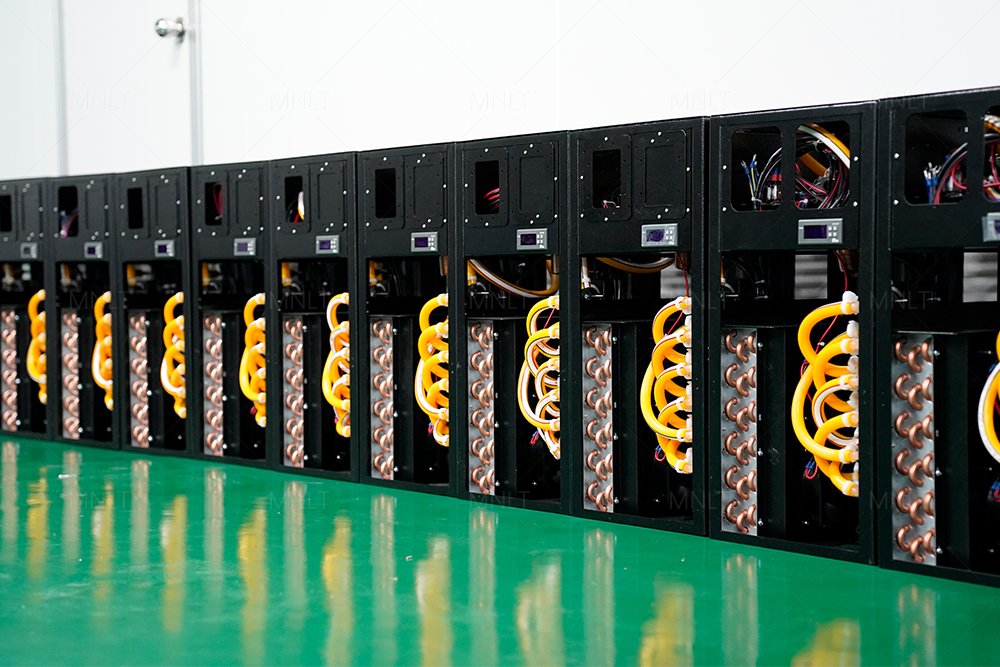
As a manufacturer with long-term experience producing professional diode laser systems for global markets, we see the full lifecycle—from component selection and factory testing to years of real-world operation in salons and clinics. This article breaks down the real lifespan of diode laser hair removal machines, what affects it, and how buyers can accurately evaluate durability before investing.
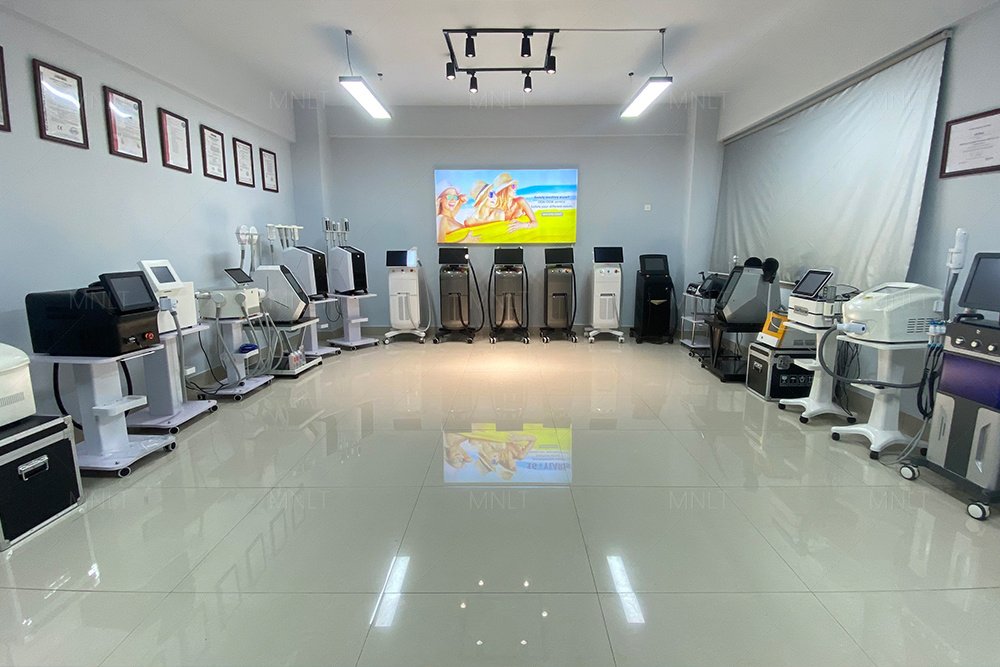
What Does “Machine Lifespan” Really Mean in Diode Laser Systems?
For a professional diode laser hair removal machine, lifespan is not a single number. It consists of several overlapping layers:
Laser diode bar lifespan
Cooling system stability
Power supply and internal electronics
Structural and ergonomic durability
Software and system compatibility over time
A machine may still power on after many years, but if output energy becomes unstable or cooling efficiency drops, its clinical value is already compromised. That’s why manufacturers focus on effective lifespan, not just survival time.
Laser Diode Lifespan: Shots, Hours, and Real Usage
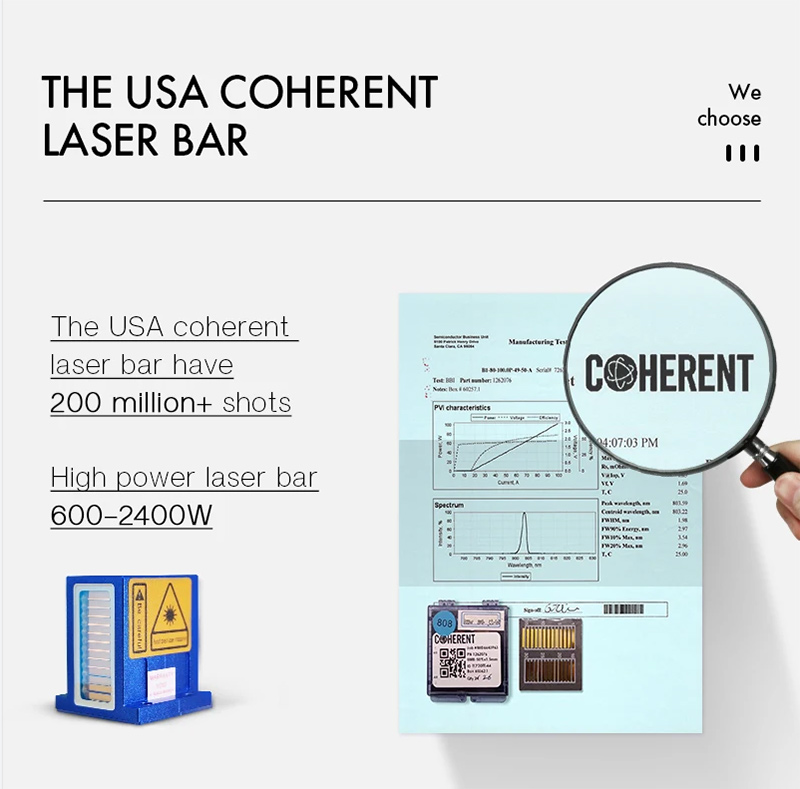
Most professional diode laser systems on the market advertise diode lifespans between 10–200 million shots. Technically, this number refers to lab-tested pulse counts under controlled conditions.
In real clinics, lifespan depends on:
Operating fluence levels
Pulse duration and frequency
Continuous treatment sessions vs. intermittent use
Cooling efficiency during long working hours
From a manufacturer’s data perspective, a high-quality diode laser hair removal machine used correctly in a busy clinic typically delivers:
6–10 years of stable clinical performance
Consistent energy output within medical tolerance ranges
Minimal diode degradation when paired with proper cooling
This is why professional buyers should focus less on headline shot numbers and more on thermal management design.
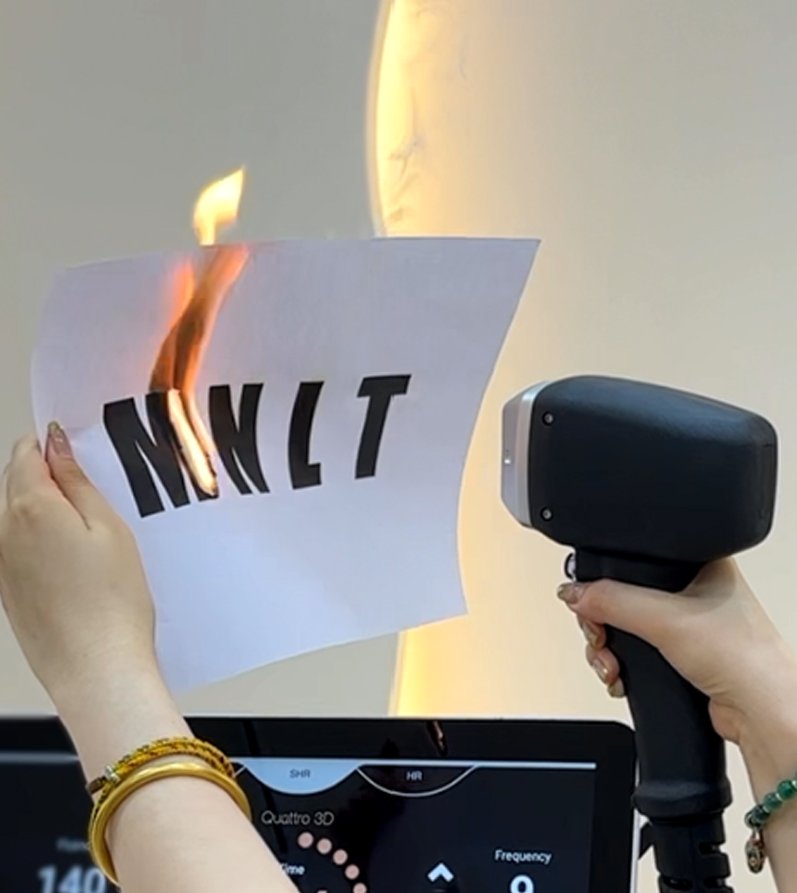
Cooling System: The Silent Determinant of Machine Longevity
Cooling is the most underestimated factor affecting diode laser lifespan.
Why cooling matters more than diode count
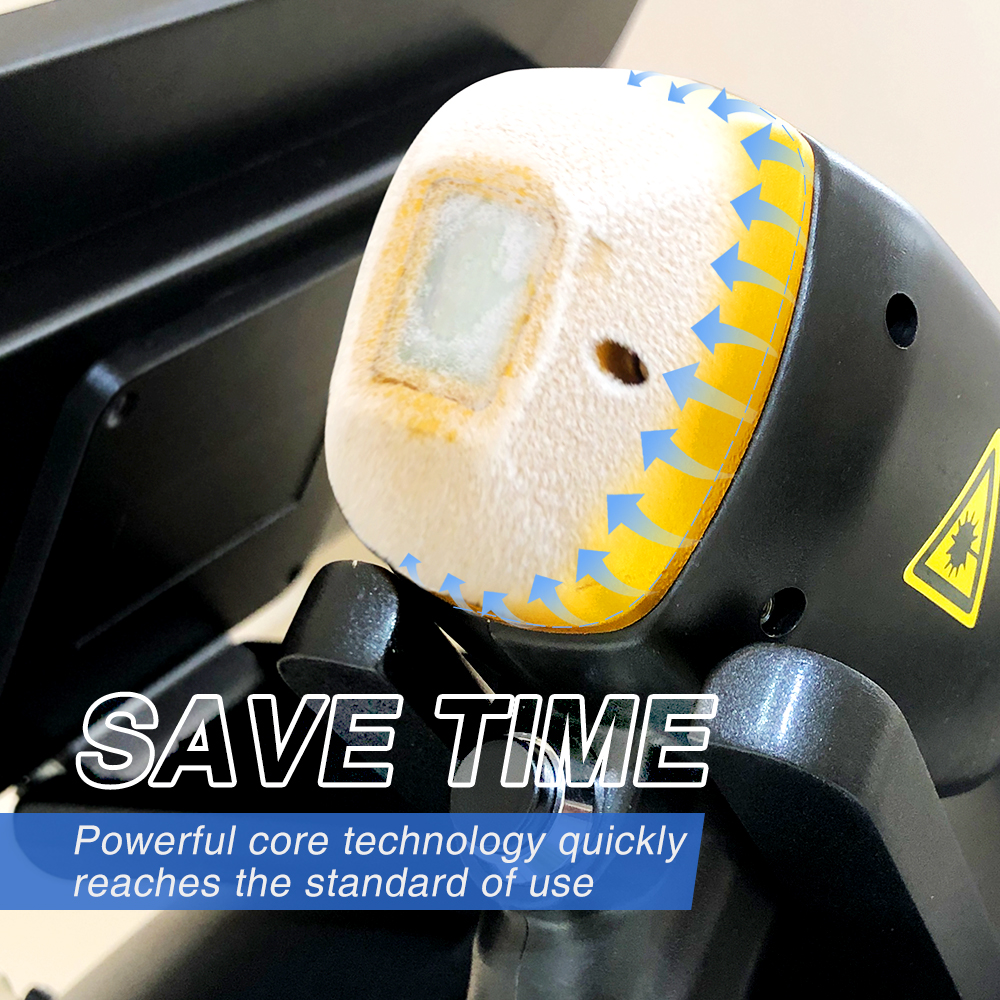
Diode bars degrade faster under heat stress. Machines with weak cooling may reach advertised shot counts, but output stability drops much earlier.
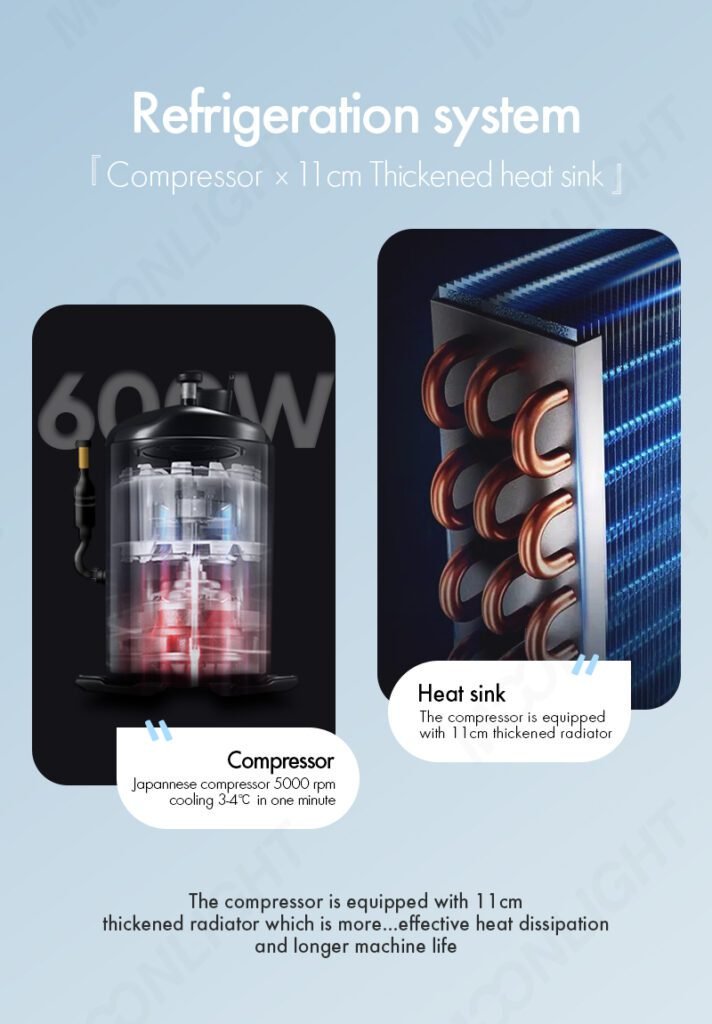
Professional-grade systems typically use:
- Compressor and large heat sink refrigeration
TEC semiconductor cooling
Water circulation systems
Air cooling for auxiliary components
Sapphire or crystal contact cooling
Machines designed for long-term clinical use integrate multiple cooling layers to maintain diode temperature consistency. This directly impacts lifespan, especially in high-volume salons.
This is also why most professional diode laser hair removal machines cost more than entry-level devices—the internal structure is fundamentally different.
Power Supply & Electronics: Where Cheap Machines Fail First
From a manufacturing standpoint, power instability—not diode failure—is one of the most common early breakdown causes.
Key lifespan factors include:
Industrial-grade power modules
Stable voltage output during peak energy delivery
Heat-resistant PCB design
Protection against frequent on/off cycles
Low-cost machines often pass initial testing but fail after 1–3 years due to internal electronic fatigue. Clinics then experience inconsistent results, higher maintenance costs, or full system replacement.
A well-built professional laser hair removal machine should maintain electrical stability for at least 8–10 years under normal clinical usage.
Handpiece & Structural Durability Over Time
The handpiece is the most frequently stressed component in daily operation.
From factory data, lifespan depends on:
Optical alignment stability
Fiber or direct-diode coupling quality
Sapphire crystal wear resistance
Cable bending and strain relief design
Clinics performing dozens of treatments per day place heavy mechanical stress on handpieces. Manufacturer-level designs reinforce this area specifically to prevent early failure.
This is a major difference between OEM/ODM diode laser machines and generic rebranded units.
If you are a beauty salon or dealer, MNLT OEM customizable professional laser hair removal machine is your wise choice
Software & System Longevity: The Overlooked Factor
Hardware may last a decade, but software determines whether the machine stays commercially usable.
Professional manufacturers design systems that allow:
Parameter upgrades
Multi-language expansion
Safety logic updates
Compatibility with future handpiece versions
Clinics investing in a diode laser system are not just buying hardware—they’re buying long-term platform viability.
Expected Lifespan Summary (Manufacturer Data)
Based on production records and long-term client feedback:
| Component | Component |
|---|---|
| Laser diode system | 6–10 years |
| Cooling system | 8–12 years |
| Power & electronics | 8–10 years |
| Handpiece (replaceable) | 1.5–3 years |
| Full system usability | 8–10 years |
A properly maintained diode laser hair removal machine for clinics can remain profitable far beyond its initial cost recovery period.
How Buyers Can Accurately Evaluate Lifespan Before Purchasing
Instead of focusing on marketing claims, professional buyers should ask:
What cooling structure is used internally?
Is the diode array replaceable?
Are power components industrial-grade?
Does the manufacturer provide long-term technical support?
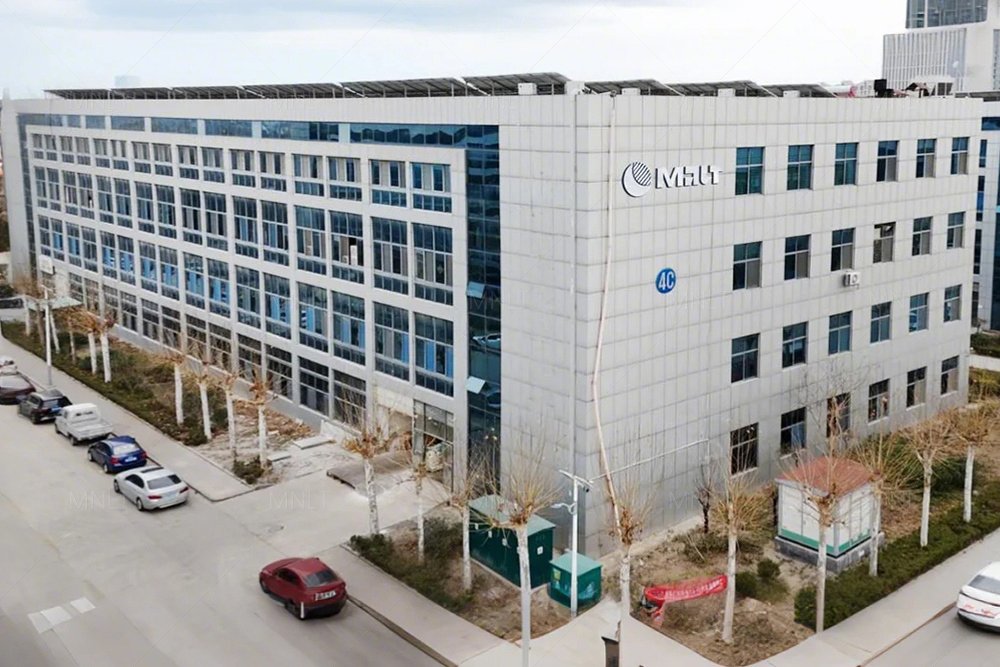
Are certifications tied to the actual production factory?
These questions matter more than advertised shot counts.
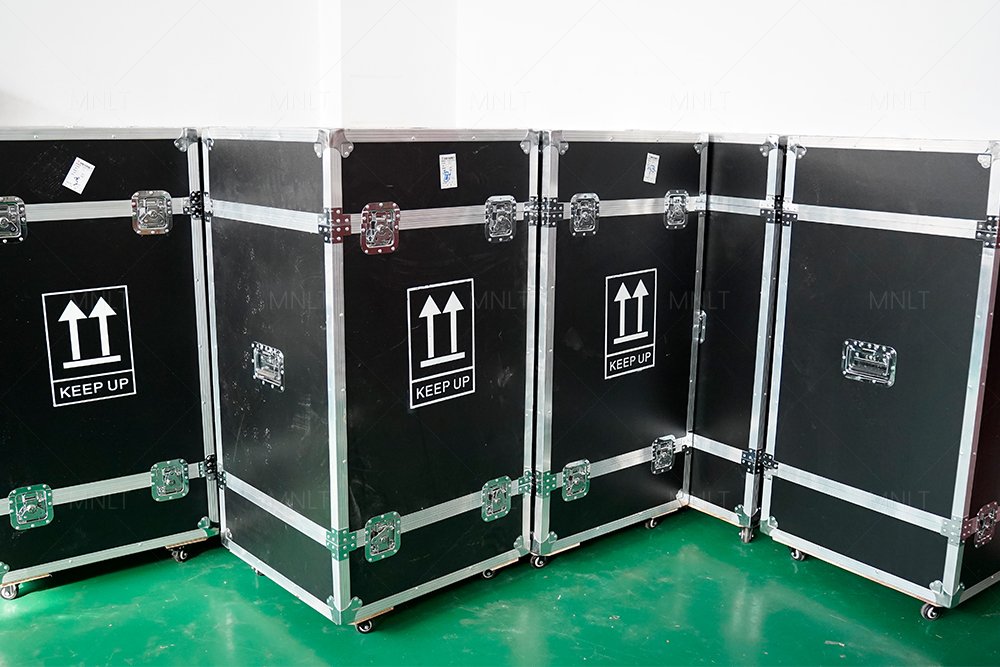
Whether you are a beauty clinic owner or a distributor, buying directly from the laser hair removal machine manufacturer is always your best choice.
Manufacturer Insight: Longevity Is an Engineering Decision
From our perspective, machine lifespan is not luck—it’s the result of:
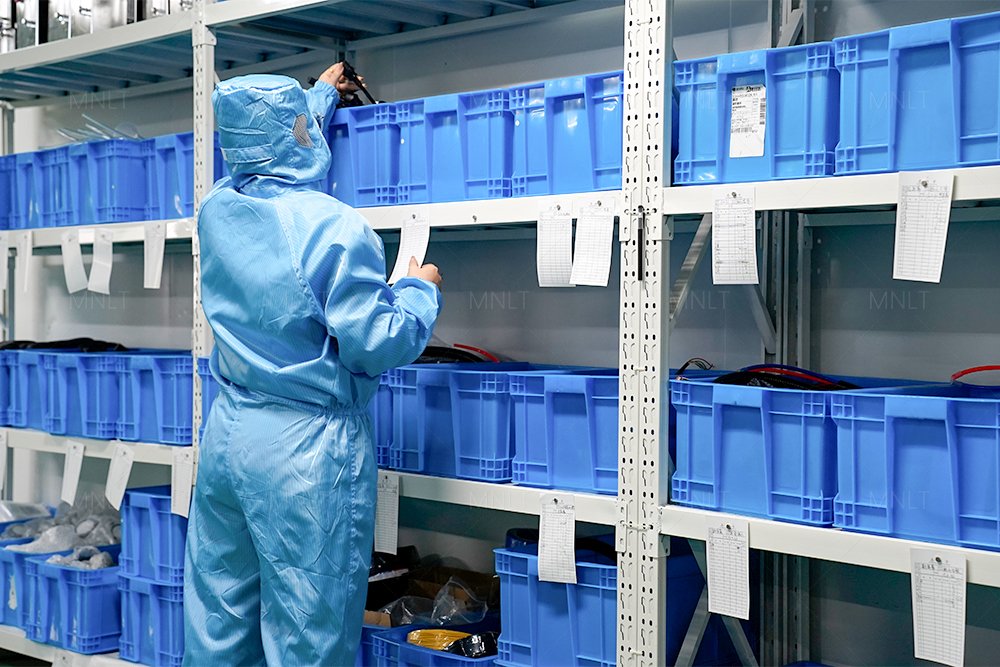
Component selection standards
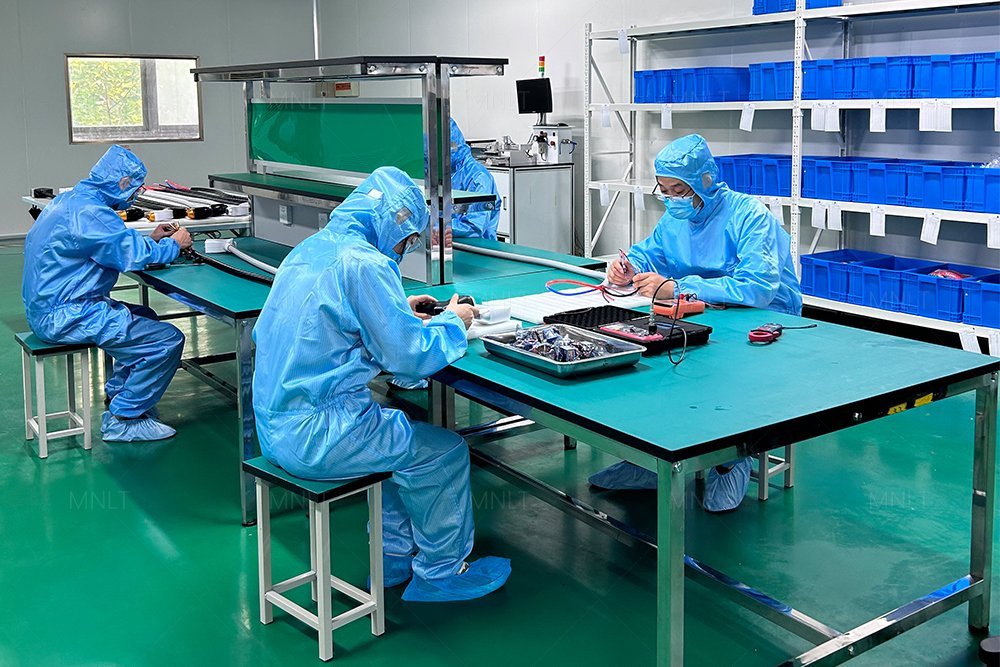
Assembly precision
Long-term testing protocols
Real clinic feedback loops
A best professional diode laser hair removal machine is designed to deliver consistent results year after year, not just pass factory inspection.
For clinics and distributors, understanding true lifespan helps avoid hidden costs, downtime, and early replacement—turning equipment into a long-term asset rather than a short-term expense.
Inquire Now
Fill out the form for more information, and an MNLT product manager will contact you shortly!
Diode laser hair removal machine from a Chinese manufacturer
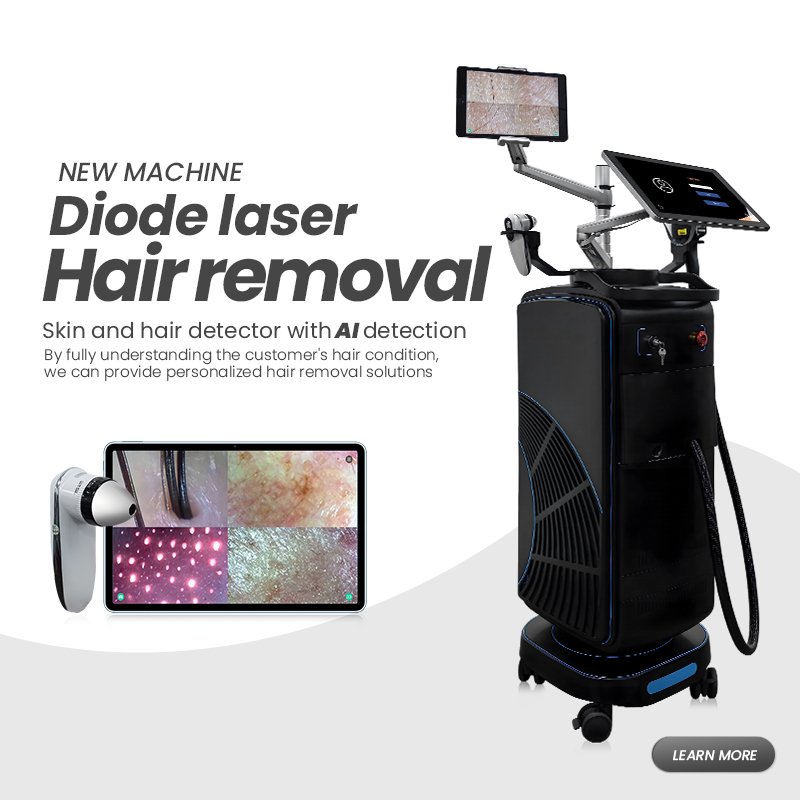
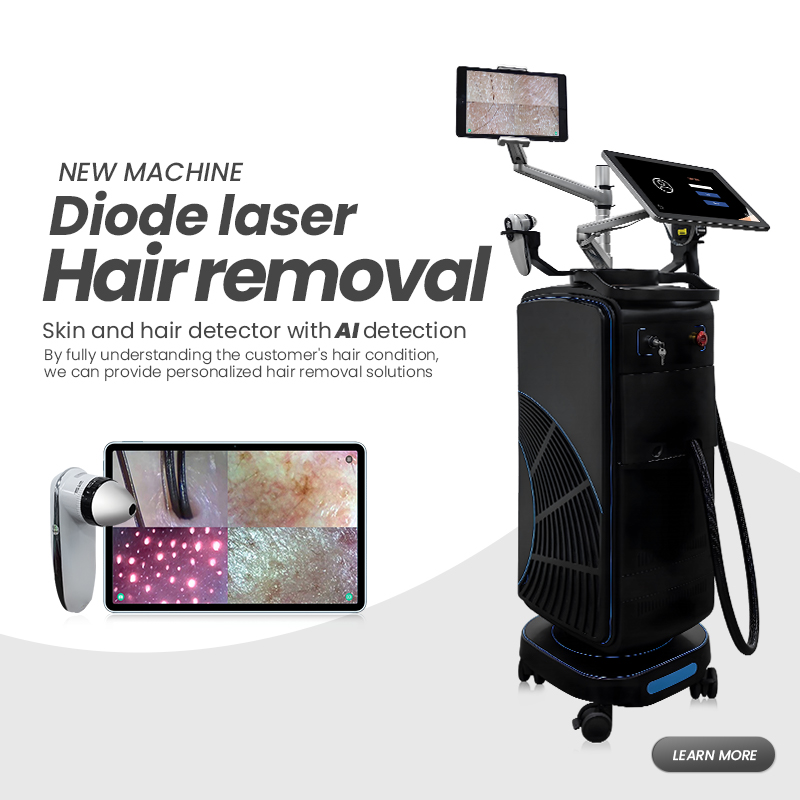
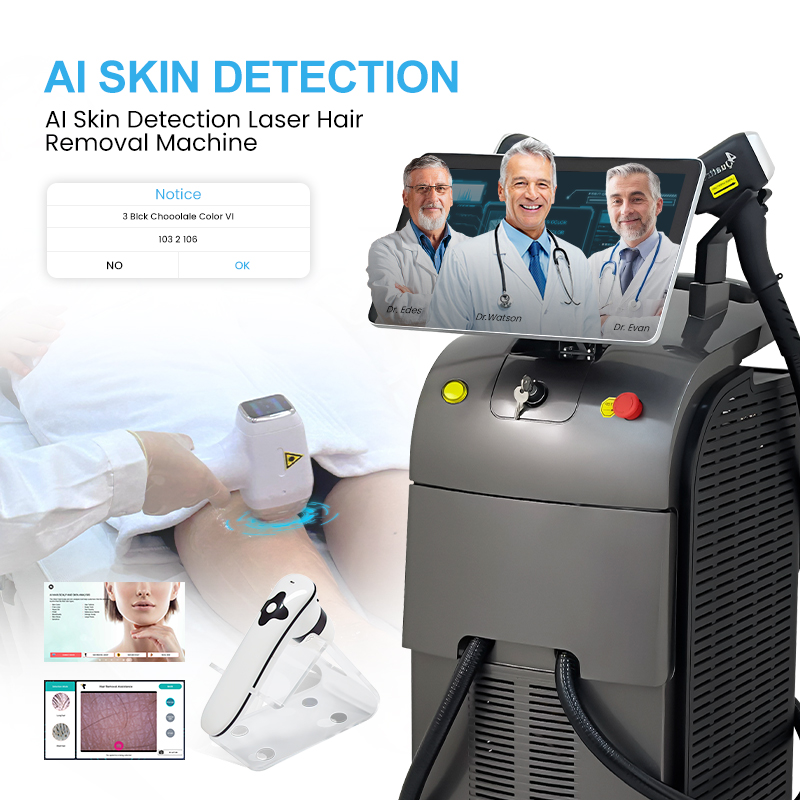
AI Diode Laser Hair Removal Machine
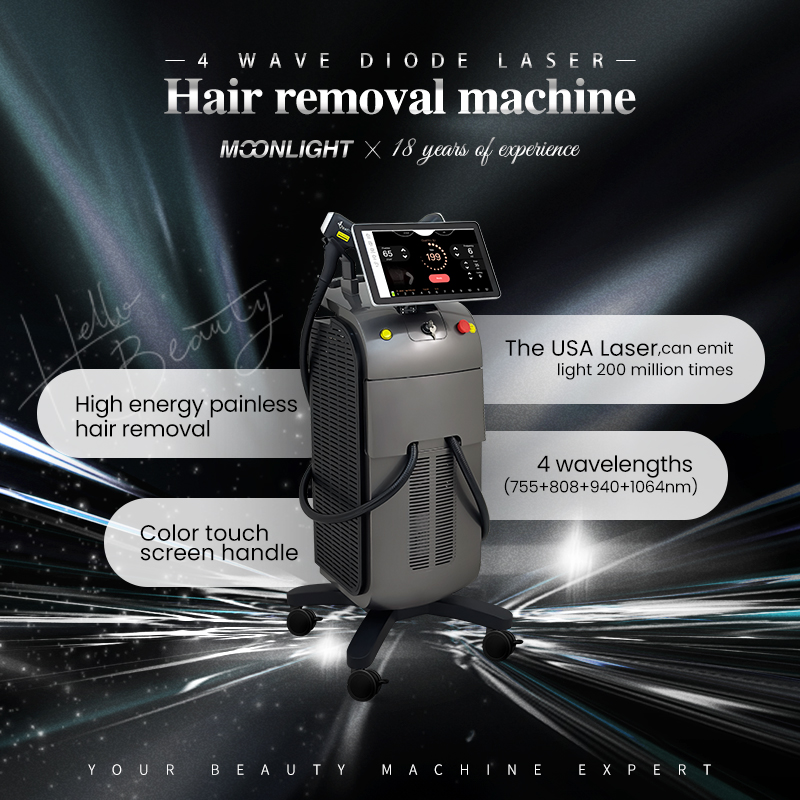
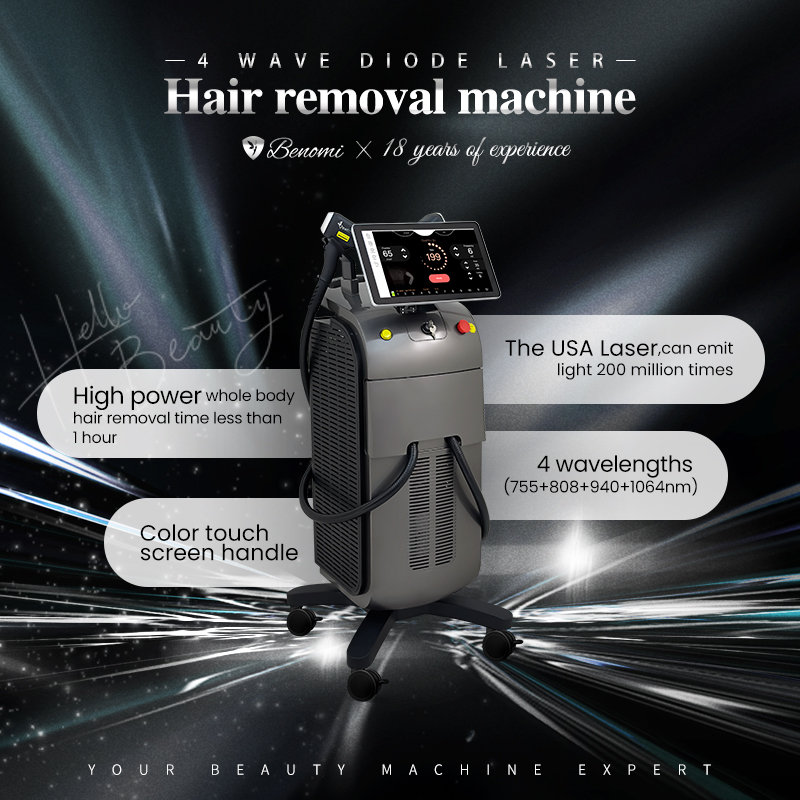
Laser Hair Removal Machine | 4-Wavelength
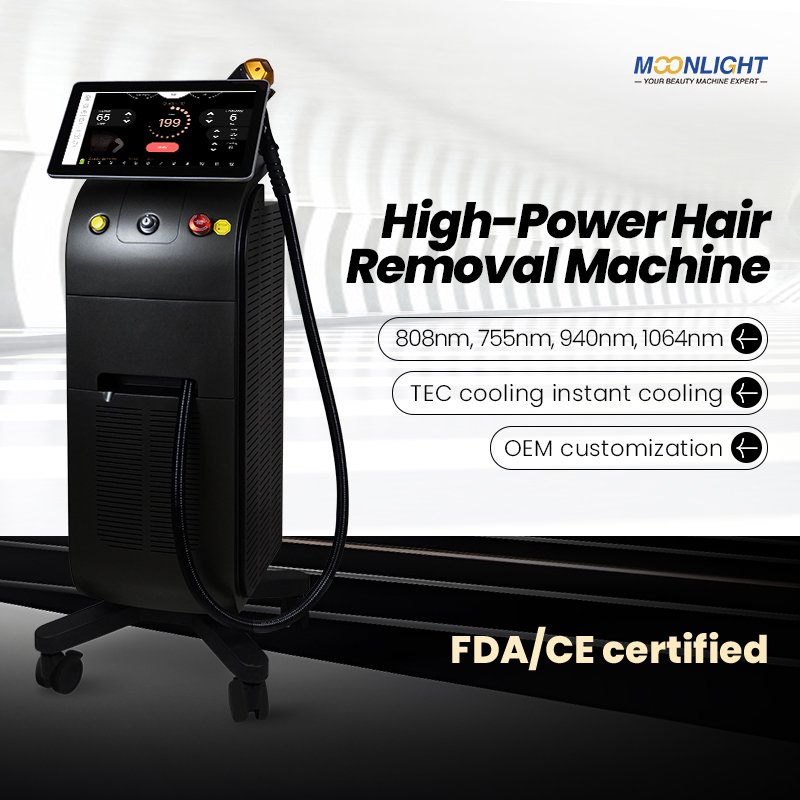
Diode Laser Hair Removal Machine Supplier
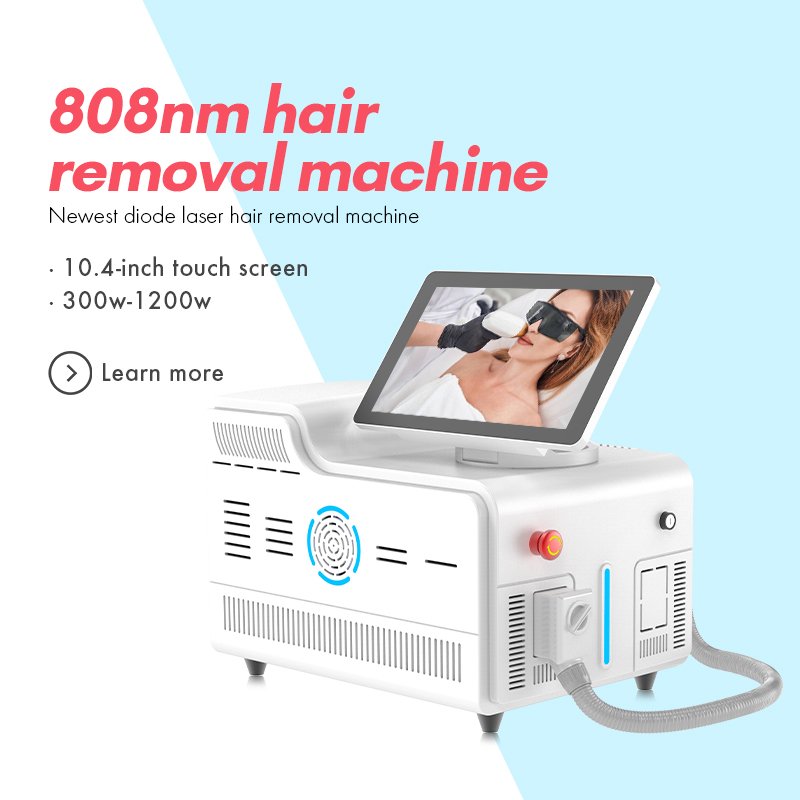
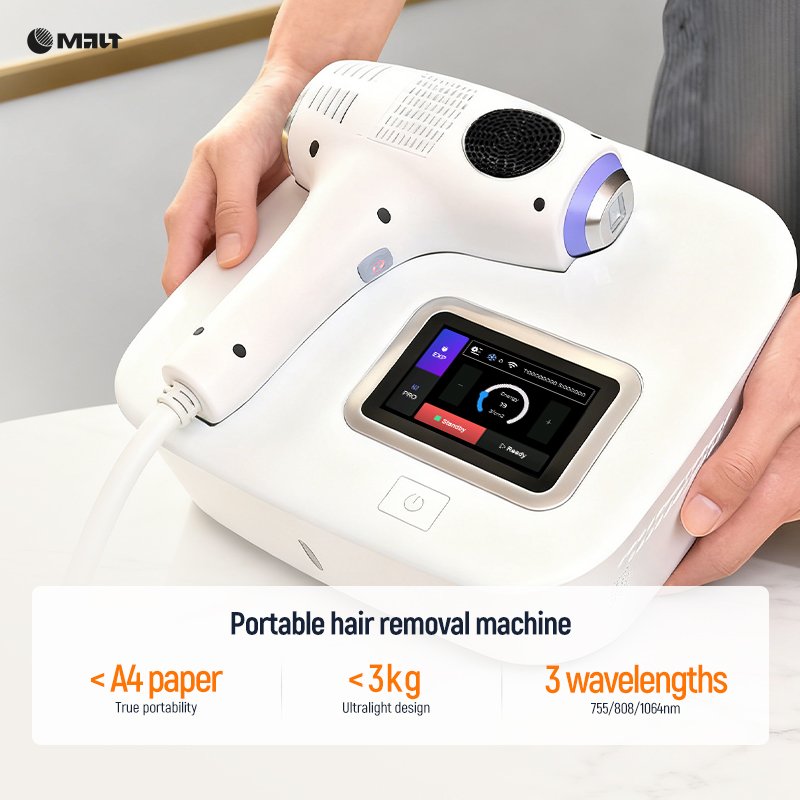
Portable laser hair removal machine
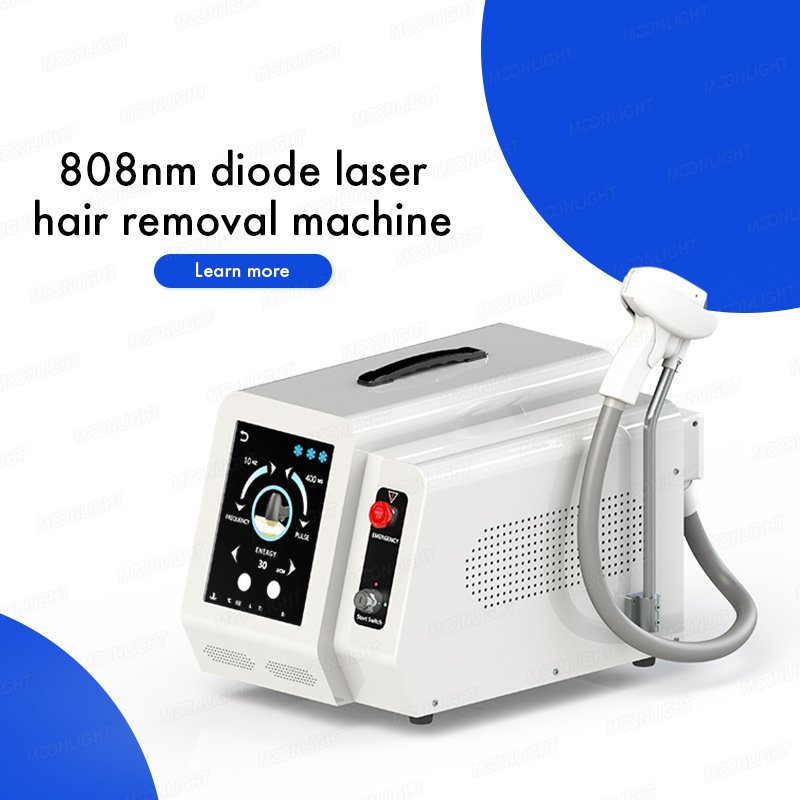
808 Diode Laser Hair Removal Machine