
3 Criteria That Separate Clinical-Grade Machines from Consumer Devices Before evaluating any brand, clinic buyers must verify three non-negotiable specs:
(1) Wavelength coverage — a genuine clinic system needs at minimum 808nm, ideally 755/808/1064nm triple or quad-band;
(2) Cooling precision — ±0.1°C contact cooling is the clinical standard, not optional;
(3) Regulatory clearance — FDA 510(k) and CE certification must be traceable by certificate number, not just claimed on a product page.
Any machine that cannot meet all three is unsuitable for professional clinical deployment.
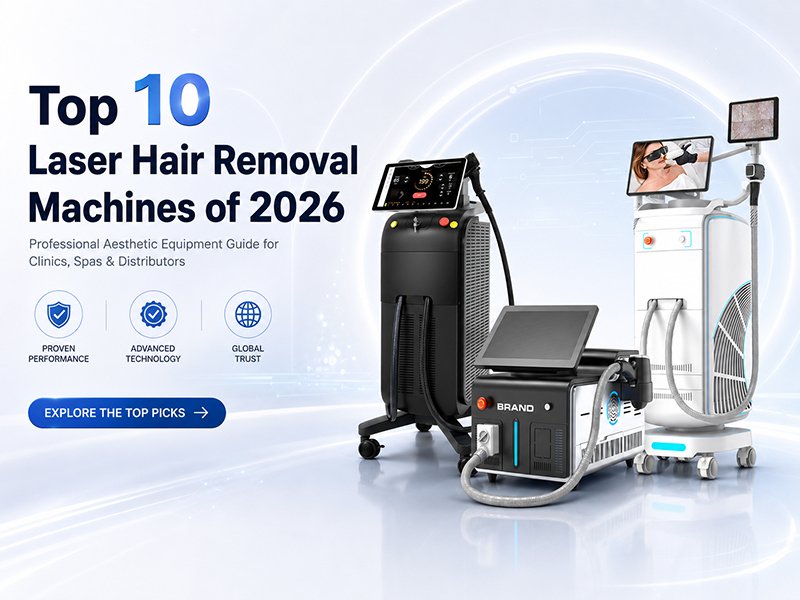
At a Glance: 2026 Diode Laser Hair Removal Machine Ranking
| Rank | Brand / Model | Wavelength | Peak Power | Cooling System | Best For |
|---|---|---|---|---|---|
| #1 | MNLT 4-Wavelength AI Diode | 755/808/940/1064nm | 3000W | Japan Compressor ±0.1°C | All clinics, OEM distributors |
| #2 | Alma Soprano ICE Platinum | 755/808/1064nm | 2400W | ICE™ Contact Cooling | Premium medspas |
| #3 | Lumenis LightSheer QUATTRO | 800nm | 2200W | ChillTip™ Sapphire | High-volume hospital depts |
| #4 | Candela GentleMax Pro Plus | 755/1064nm | 3000W | DCD Cryogen Spray | Diverse skin tone clinics |
| #5 | Cynosure Elite iQ | 755/1064nm | 3000W | Smart ThermaControl™ | Multi-modal treatment centers |
| #6 | Inmode Diolaze XL | 810nm | 2400W | Sapphire Contact Tip | North American medspas |
| #7 | Primelase HR | 755/808/1064nm | 4000W | Triple-Wavelength Cryo | European dermatology clinics |
| #8 | Fotona FRAC3 Nd:YAG | 1064nm | 2500W | Air Cooling | Dark skin type specialists |
| #9 | Syneron Candela elos Plus | 700–2000nm (IPL+RF) | 1500W | Contact Cooling | Budget-conscious salons |
| #10 | MED-808 Ice Pro | 808nm | 1800W | Sapphire Contact Plate | Portable/satellite clinic use |
Full Ranking: Detailed Analysis of Each System
#1 — MNLT 4-Wavelength AI Diode Laser (Best Overall for Clinics, 2026)
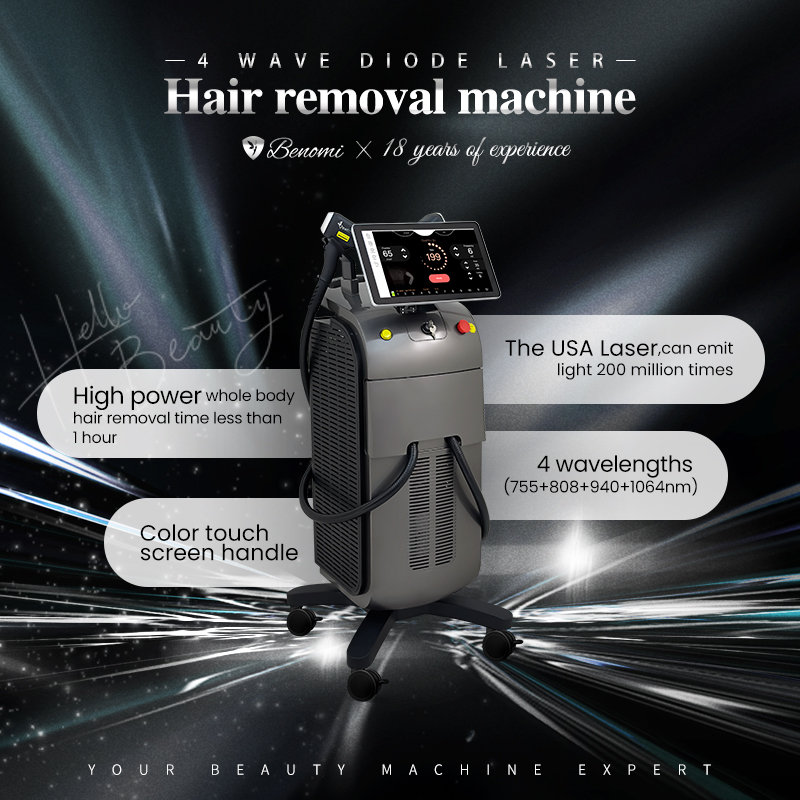
Wavelength: 755nm / 808nm / 940nm / 1064nm |
Peak Power: 3000W |
Cooling: Japan-imported compressor, ±0.1°C precision |
Spot Size: 12×12mm auto-adjusting
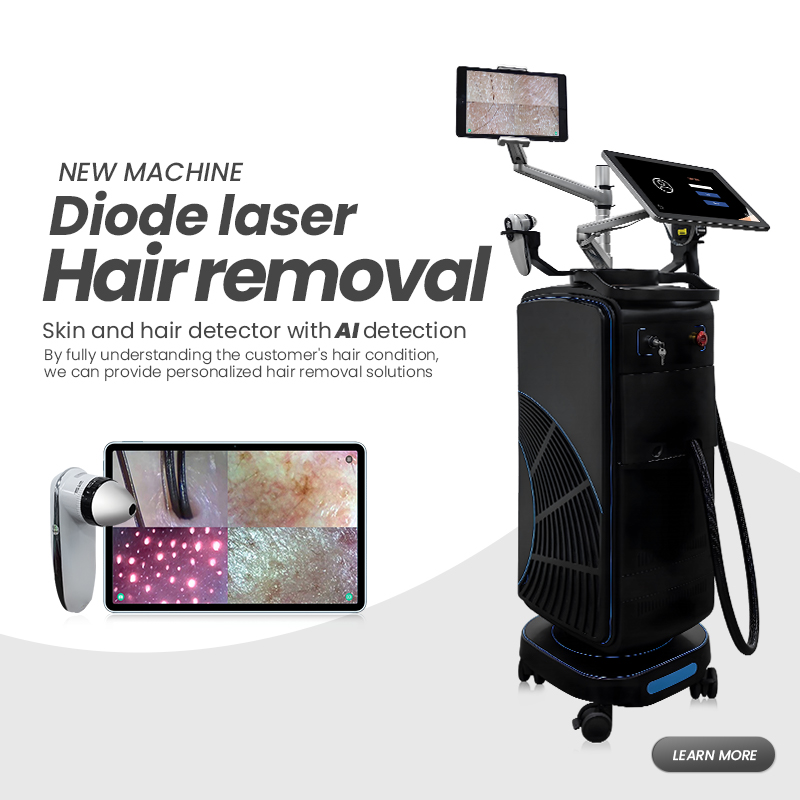
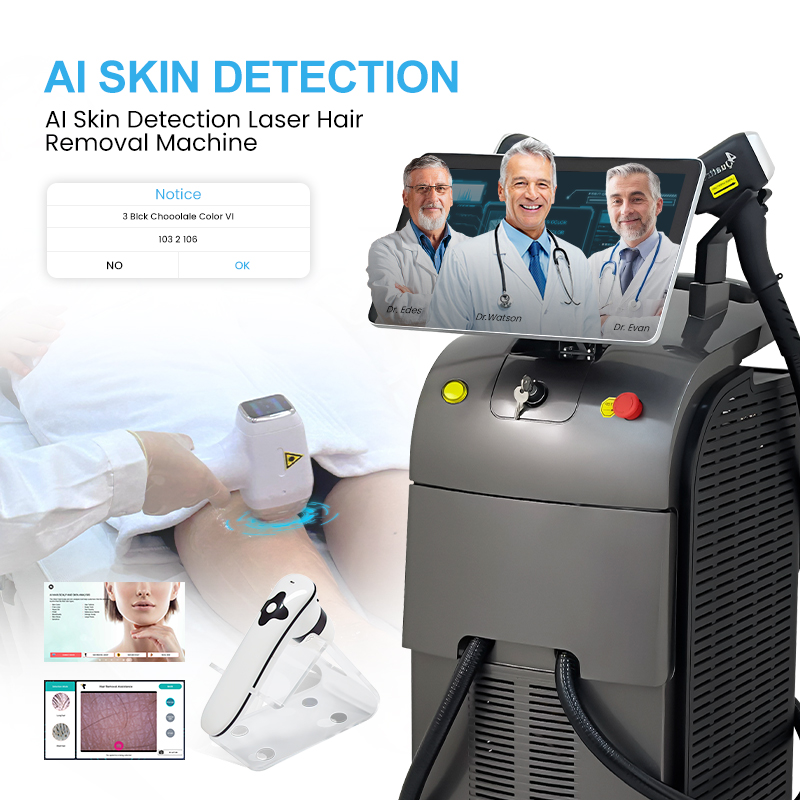
The MNLT 4-Wavelength Diode Laser is the only clinic-grade machine in 2026 that integrates a real-time AI skin and hair detection module, which automatically calibrates fluence and pulse width based on detected melanin index. The quad-wavelength configuration ensures complete follicle coverage across Fitzpatrick skin types I–VI. The USA Coherent laser bar carries a manufacturer-rated 200 million shot lifespan — a spec rarely disclosed by competing brands.
For clinics requiring OEM/ODM branding and custom configurations, MNLT offers the industry’s fastest production cycle at 5–7 business days. CE/FDA/MDR/ISO certified, with certificate numbers verifiable through FDA’s 510(k) database.
Clinical fit: Small-to-large clinics, distributors, medical spas, OEM brand owners.
#2 — Alma Soprano ICE Platinum
Wavelength: 755nm / 808nm / 1064nm |
Peak Power: 2400W |
Cooling: ICE™ simultaneous contact cooling |
Spot Size: 6cm²
The Soprano ICE Platinum is a trusted workhorse in the premium medspa segment. Its SHR (Super Hair Removal) mode — rapid low-fluence pulses instead of single high-energy shots — is clinically demonstrated to reduce thermal damage risk on sensitive skin. The triple-wavelength delivery head eliminates applicator swapping between clients.
Limitation: No AI skin detection. Manual parameter selection demands highly trained operators. List price typically exceeds $35,000 USD.
Clinical fit: Upscale, established medspas with experienced practitioners.
#3 — Lumenis LightSheer QUATTRO
Wavelength: 800nm |
Peak Power: ~2200W |
Cooling: ChillTip™ sapphire contact cooling |
Spot Size: 9×9mm (standard), 22×35mm (high-speed)
The LightSheer QUATTRO pioneered the vacuum-assisted large-spot handpiece that reduces treatment time for full-leg treatments to under 15 minutes. Its 800nm single-wavelength design is optimized for maximum melanin absorption efficiency. The ChillTip cooling system has been the gold standard for contact cryo in clinical hair removal for over a decade.
Limitation: Single-wavelength limits versatility for very dark skin tones (Fitzpatrick V–VI), where 1064nm supplementation would be preferred.
Clinical fit: High-volume hospital-based dermatology departments and chain medspa groups.
#4 — Candela GentleMax Pro Plus
Wavelength: 755nm (Alexandrite) + 1064nm (Nd:YAG) |
Peak Power: 3000W |
Cooling: Dynamic Cooling Device (DCD) cryogen spray |
Spot Size: 2–24mm variable
The GentleMax Pro Plus is unique in being a dual-platform laser (not a diode), combining an Alexandrite source for lighter skin with Nd:YAG for deeper follicle targeting on darker skin. The DCD pre-cools the epidermis milliseconds before each pulse — a clinically validated approach referenced in multiple peer-reviewed studies.
Limitation: Requires regular cryogen canister replacement (ongoing consumable cost). Requires rigorous operator training due to high peak fluence risk.
Clinical fit: Dermatology-adjacent clinics treating diverse ethnic populations.
#5 — Cynosure Elite iQ
Wavelength: 755nm / 1064nm |
Peak Power: 3000W |
Cooling: Smart ThermaControl™ air + surface cooling |
Spot Size: 3–24mm
The Elite iQ features Cynosure’s proprietary Skintel® melanin reader — an FDA-cleared handheld device that measures skin melanin density and automatically recommends safe treatment parameters. This is the closest competing product to MNLT’s AI detection, though Skintel requires a separate measurement step rather than real-time in-handpiece integration.
Limitation: Two-wavelength (755/1064) coverage misses the 808nm peak melanin absorption band, which accounts for the majority of hair follicle targeting in clinical practice.
Clinical fit: Multi-modal treatment centers already invested in the Cynosure ecosystem.
#6 — Inmode Diolaze XL
Wavelength: 755nm / 1064nm |
Peak Power: 3000W |
Cooling: Smart ThermaControl™ air + surface cooling |
Spot Size: 3–24mm
The Elite iQ features Cynosure’s proprietary Skintel® melanin reader — an FDA-cleared handheld device that measures skin melanin density and automatically recommends safe treatment parameters. This is the closest competing product to MNLT’s AI detection, though Skintel requires a separate measurement step rather than real-time in-handpiece integration.
Limitation: Two-wavelength (755/1064) coverage misses the 808nm peak melanin absorption band, which accounts for the majority of hair follicle targeting in clinical practice.
Clinical fit: Multi-modal treatment centers already invested in the Cynosure ecosystem.
#7 — Primelase HR (Cocoon Medical)
Wavelength: 755nm / 808nm / 1064nm |
Peak Power: 4000W |
Cooling: Triple-wavelength integrated cryo |
Spot Size: 24×34mm (one of the largest in category)
The Primelase HR holds the distinction of the largest spot size available in a clinical diode platform, dramatically reducing full-body treatment times. Its 4000W peak power allows sub-threshold fluence delivery at extremely high repetition rates — a methodology gaining traction in European clinical literature for minimizing adverse events on tanned skin.
Limitation: Limited distribution network outside Europe. Extended lead times for non-EU markets.
Clinical fit: European dermatology clinics and medical centers with high daily patient throughput.
#8 — Fotona SP Dynamis (Nd:YAG mode)
Wavelength: 1064nm (primary) |
Peak Power: 2500W |
Cooling: Integrated air cooling |
Spot Size: 2–16mm variable
While Fotona is primarily positioned as a multi-application platform (resurfacing, vascular, hair removal), its 1064nm Nd:YAG mode is specifically clinically superior for Fitzpatrick skin types V and VI. For clinics in markets with predominantly darker skin populations — Middle East, South Asia, Sub-Saharan Africa — a 1064nm-primary system reduces the risk of post-inflammatory hyperpigmentation (PIH) compared to 755nm or 808nm systems.
Limitation: Not a pure hair removal device. Requires significant cross-training for multi-modal use. Premium price point.
Clinical fit: Specialist dermatology practices serving predominantly darker skin populations.
#9 — Syneron Candela elos Plus
Wavelength: 700–2000nm (IPL) + Bipolar RF |
Peak Power: 1500W (optical) |
Cooling: Contact cooling |
Spot Size: 12×25mm
The elos Plus uses electro-optical synergy (ELOS) — combining broad-spectrum IPL with radiofrequency to reduce the optical fluence required per session. This lowers the risk of surface burns on borderline skin tones while maintaining follicle disruption. It is, however, not a true diode laser and produces lower precision targeting than single-wavelength diode systems.
Clinical fit: Budget-conscious salons and multi-service spas where hair removal is one of many treatments rather than the primary revenue driver.
#10 — MED-808 Ice Pro
Wavelength: 808nm |
Peak Power: 1800W |
Cooling: Sapphire contact plate, -4°C |
Spot Size: 10×12mm
The MED-808 Ice Pro occupies the high-value entry segment of the clinical market. German-imported laser bars and a robust sapphire contact plate deliver reliable 808nm performance. Its compact footprint (under 60kg) makes it a practical choice for satellite clinic locations or mobile aesthetic units.
Limitation: Single wavelength limits treatment suitability for Fitzpatrick VI skin. No AI or smart detection. No multi-mode functionality beyond standard hair removal.
Clinical fit: New clinics, satellite locations, high-margin single-treatment studios.
Clinical Evidence: What the Research Says
Selecting a diode laser platform should be grounded in peer-reviewed evidence, not marketing claims. A 2026 randomized controlled trial published in Lasers in Medical Science (PubMed PMID: 42249955) confirmed that diode laser (808nm) achieved statistically superior hair reduction versus IPL at 12-week follow-up across all Fitzpatrick skin types, with a lower incidence of adverse events.
All clinical-grade machines discussed in this ranking are validated against the FDA’s medical device 510(k) clearance framework. You can verify any device’s clearance status by searching the manufacturer’s registered name at the FDA 510(k) premarket notification database.
Inquire Now
Fill out the form for more information, and an MNLT product manager will contact you shortly!
FAQ: What Clinic Buyers Ask Most
1. What is the most important specification to check when buying a diode laser machine for a clinic?
2. Why does the ranking list a 4-wavelength machine as #1 instead of a 3-wavelength system?
3. Is FDA clearance the same as FDA approval for laser hair removal machines?
4. How many treatment sessions does a clinic-grade diode laser need to achieve 80–90% permanent hair reduction?
5. Can a clinic-grade diode laser machine be purchased directly from the factory with OEM branding?
Conclusion: Which Machine Should Your Clinic Buy in 2026?
For clinics making a first purchase or upgrading from an older single-wavelength system, the ranking logic is clear: multi-wavelength coverage (especially quad-band) + AI-assisted parameter delivery + zero consumable cost = fastest ROI with the lowest clinical risk.
Premium Western brands (Alma, Candela, Lumenis) deliver excellent clinical outcomes but at 5–10× the acquisition cost of equivalent factory-direct platforms, with ongoing service contracts and consumable dependencies that compress clinic margins.
Ready to evaluate the #1-ranked system for your clinic? Contact the MNLT technical team for a configuration recommendation, certified compliance documentation, and factory-direct pricing — no middlemen, no markup.
With 15+ years of expertise in optoelectronic and medical aesthetic engineering, David leads MNLT’s R&D team across the full professional aesthetic device portfolio, ensuring all technical content meets the highest standards of accuracy and clinical safety.