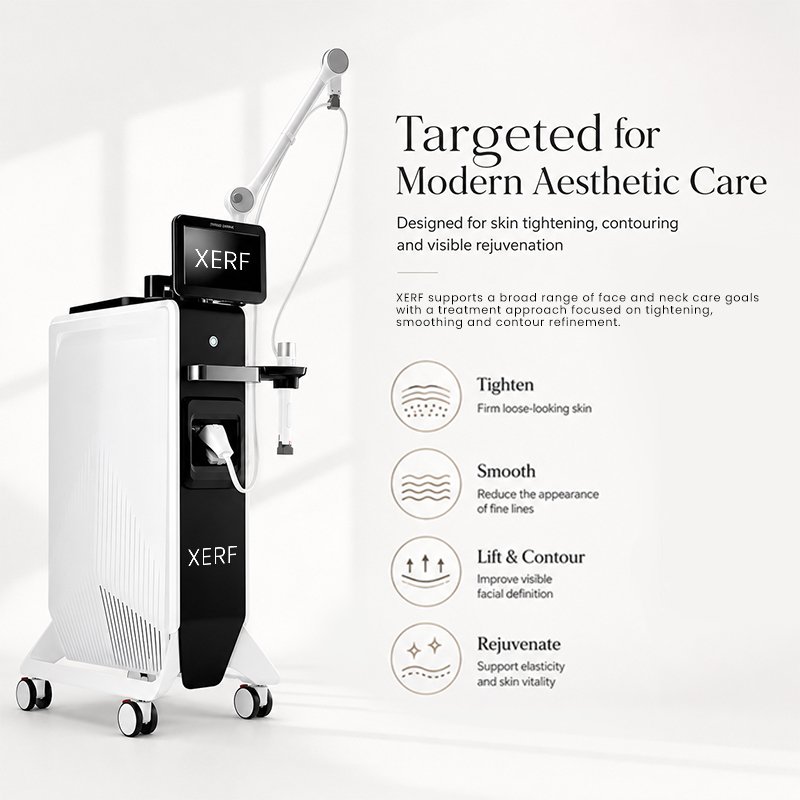
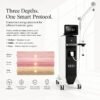
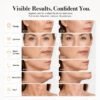
The XERF system is a professional radiofrequency skin tightening machine built on dual monopolar RF — combining 6.78MHz and 2MHz frequencies in a single device to reach three distinct tissue depths in one session. Rather than relying on a single frequency or a bipolar/monopolar hybrid, this MM (Monopole + Monopole) configuration lets 6.78MHz address the dermal layer while 2MHz reaches subcutaneous fat and the deep fascial layer, supporting collagen stimulation and contour refinement from 1.5mm to 4.5mm.
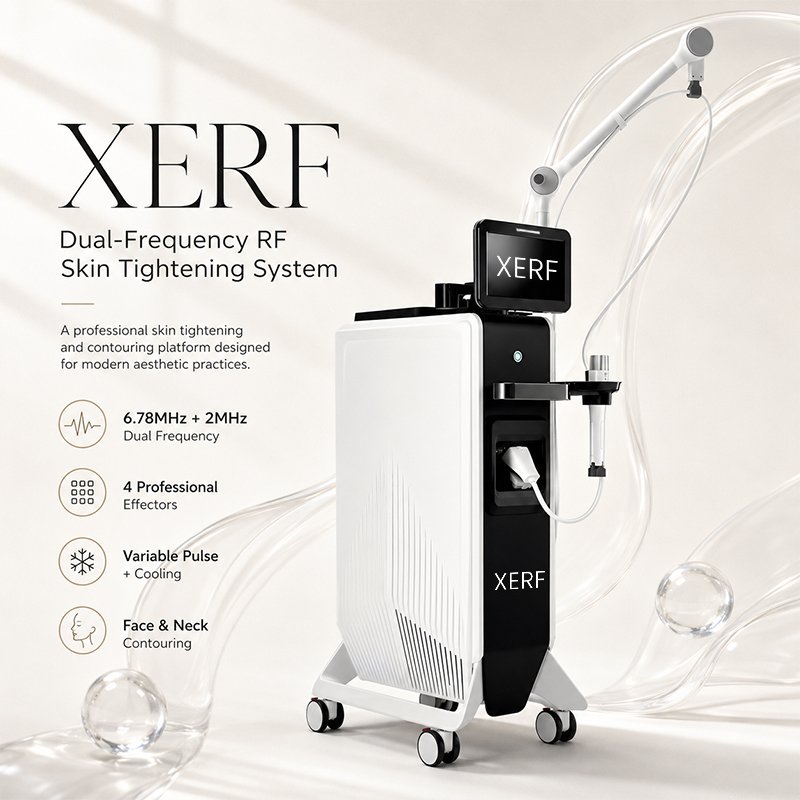
Most radiofrequency skin tightening machines on the market use either a single monopolar frequency or a bipolar/multipolar configuration that limits penetration depth in exchange for a more contained energy field. Single-frequency monopolar RF can reach meaningful depth, but it treats the entire pathway between electrode and tissue as one uniform target — there’s no way to selectively address the dermis differently from deeper fat and fascial tissue within the same pass.
The XERF system’s dual monopolar (MM) configuration changes this by running two distinct frequencies through the same monopolar delivery method rather than pairing monopolar with bipolar. The 6.78MHz frequency is tuned to interact primarily with the dermal layer, where collagen stimulation and skin texture improvements are most relevant. The 2MHz frequency travels further, reaching subcutaneous fat and the deep fascial or mucosal layer — the tissue plane associated with structural contour and firmness. Running both frequencies in the same system means an operator can address surface-level skin quality and deeper structural firmness without switching machines or compromising on a single “average” depth setting.
This distinction matters most for clinics comparing specification sheets: a machine advertising “monopolar RF” without specifying frequency combination or depth control may only be delivering a single fixed depth, regardless of how the treatment is marketed.
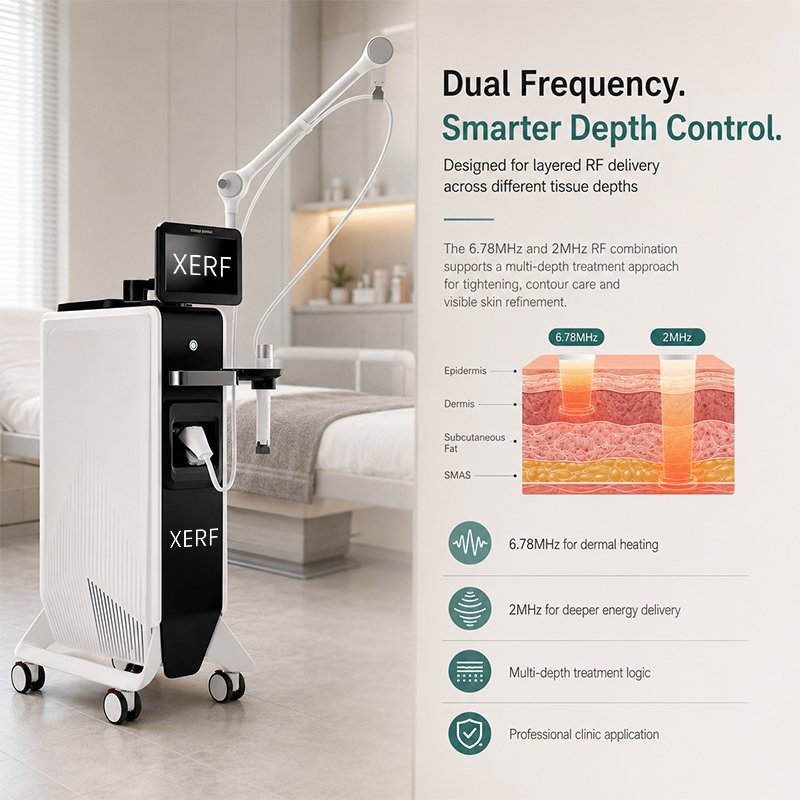
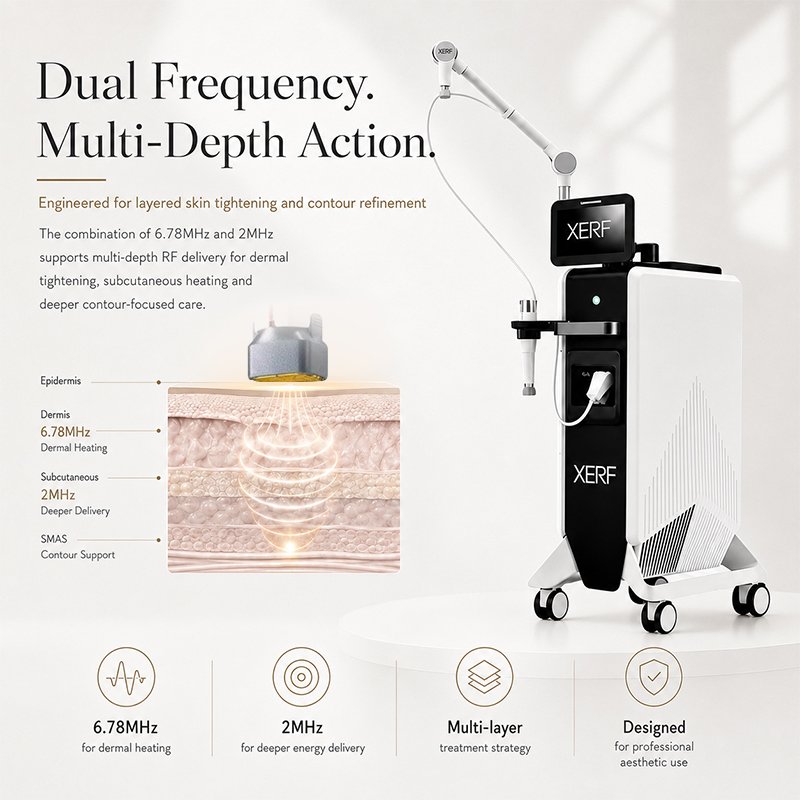
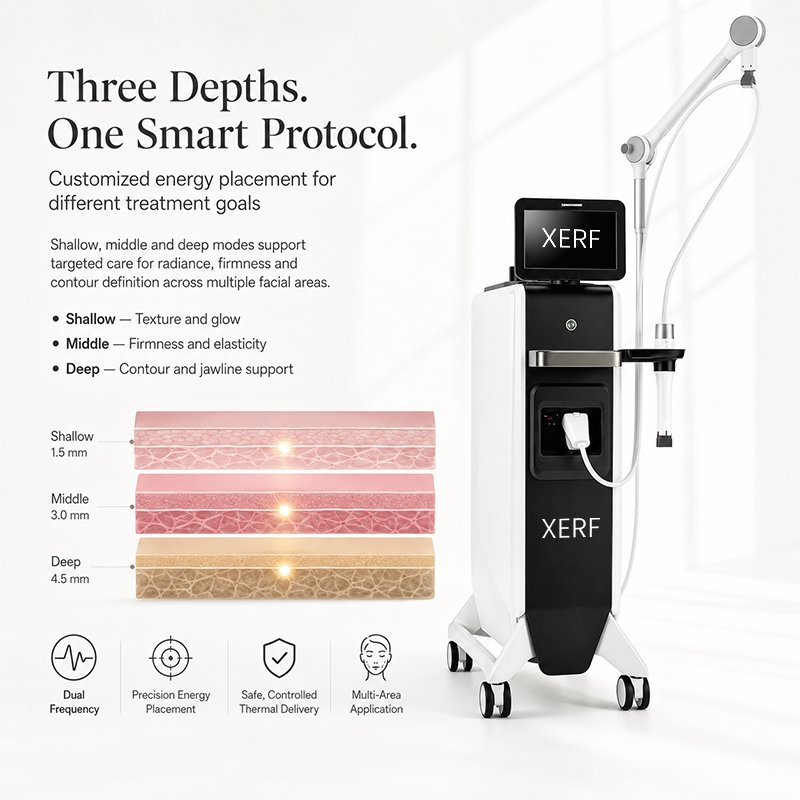
| Depth Level | Penetration | Target Layer | Skin Concern Addressed |
|---|---|---|---|
| Shallow | 1.5mm | Superficial dermis | Texture refinement, skin glow |
| Middle | 3.0mm | Mid-dermis | Firmness, elasticity support |
| Deep | 4.5mm | Subcutaneous/fascial layer | Contour refinement, jawline support |
Operators select depth based on the treatment goal and zone rather than applying one fixed setting across the whole face. A session addressing under-eye texture, for example, would typically use the shallow setting, while jawline contour work calls for the deep setting where the 2MHz frequency does most of its work.
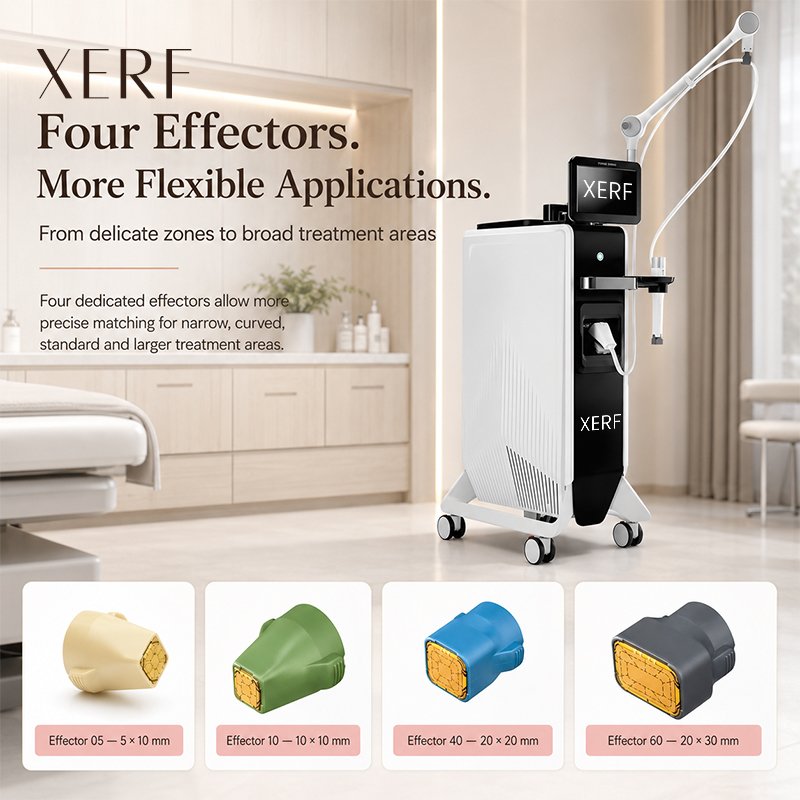
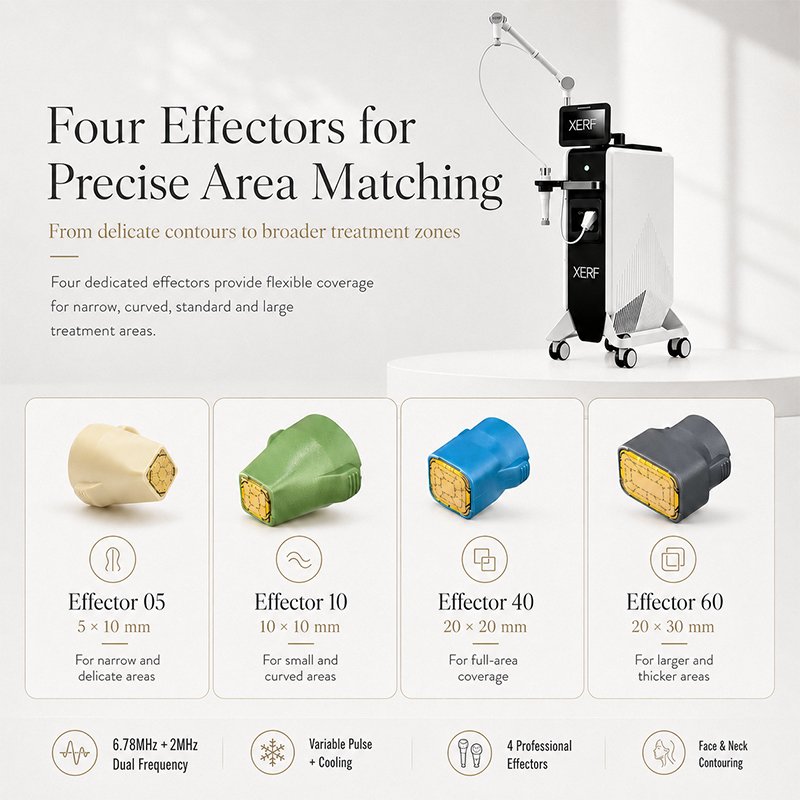
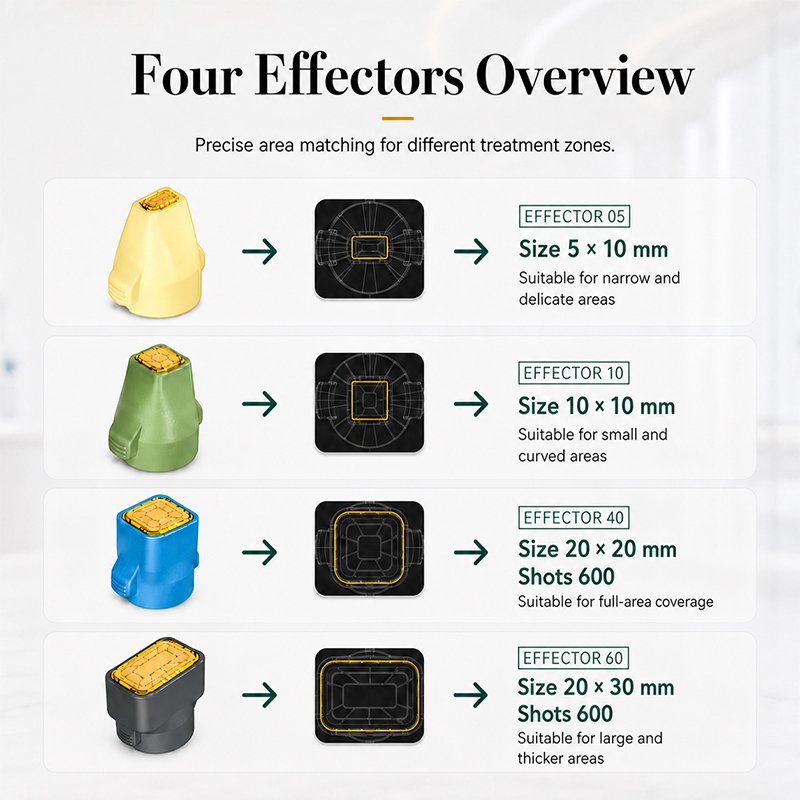
| Effector | Size | Rated Shots | Best For |
|---|---|---|---|
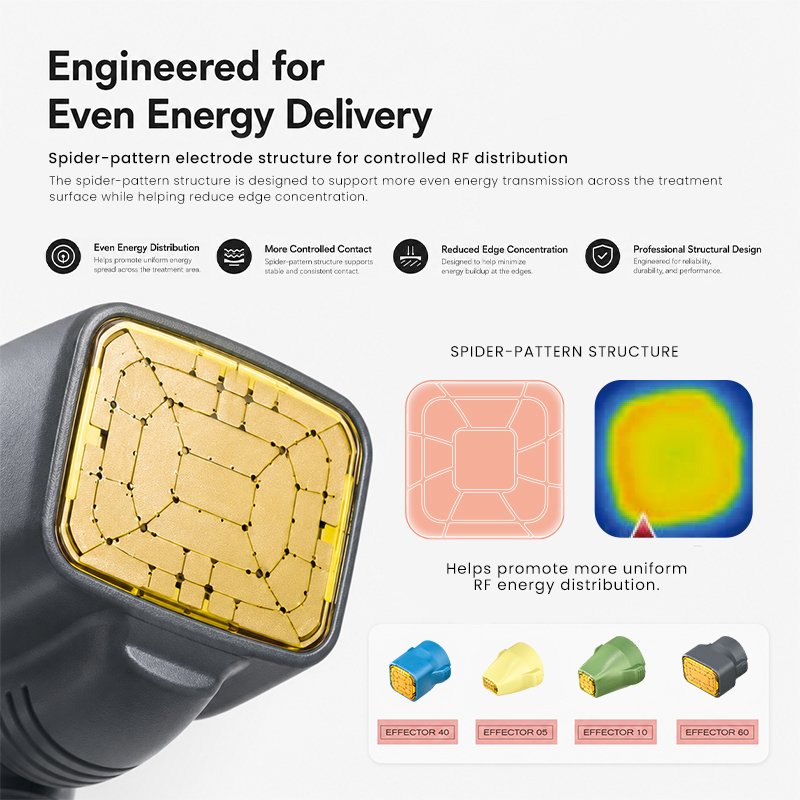
| Effector 05 | 5×10mm | — | Narrow, delicate areas: eye corners, nasolabial fold, fine lines |
| Effector 10 | 10×10mm | — | Small, curved areas |
| Effector 40 | 20×20mm | 600 | Full-area coverage |
| Effector 60 | 20×30mm | 600 | Larger, thicker areas: neck, double chin |
Matching effector size to treatment area is one of the more overlooked factors in RF treatment consistency — a large effector on a small curved area (like the corner of the eye) creates uneven contact and inconsistent energy delivery, while a small effector on a broad area like the neck extends session time unnecessarily. The four-effector set is built to cover this range without requiring separate handpieces for each configuration.
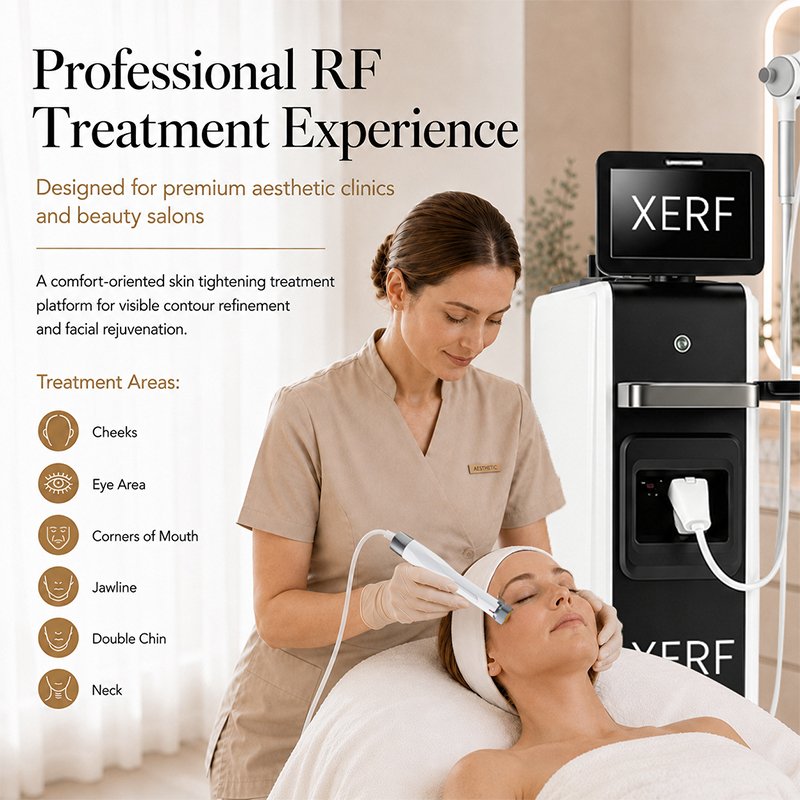
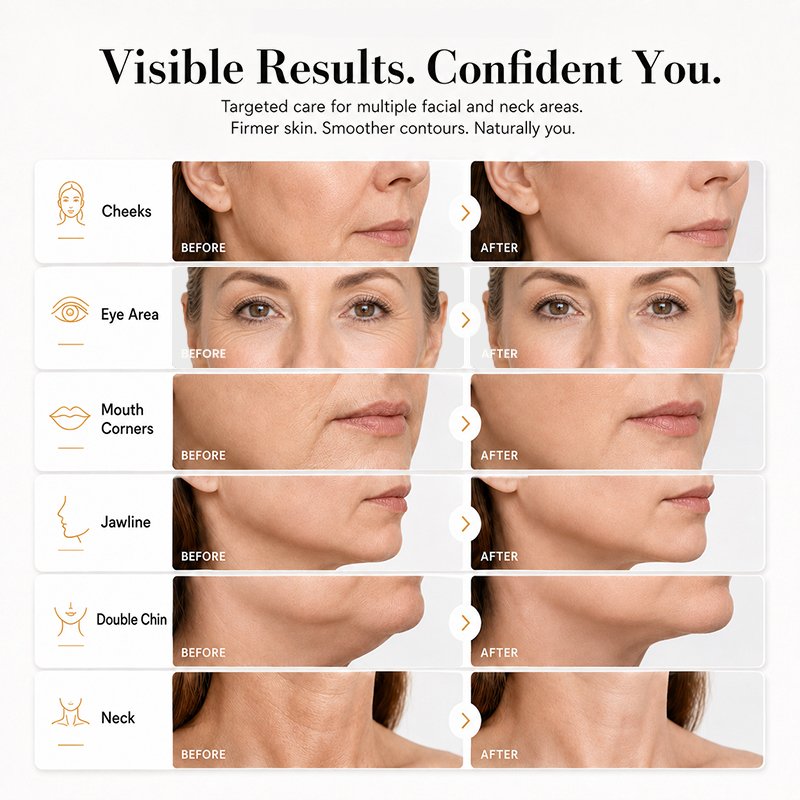
Cheeks — Broader surface treated with the shallow-to-middle depth range for overall skin firmness support.
Eye area — Requires the smallest effector (05) and shallow depth setting given the thin, delicate tissue around the orbital region.
Corners of the mouth — A common area for early textural and firmness concerns, treated with the 05 or 10 effector.
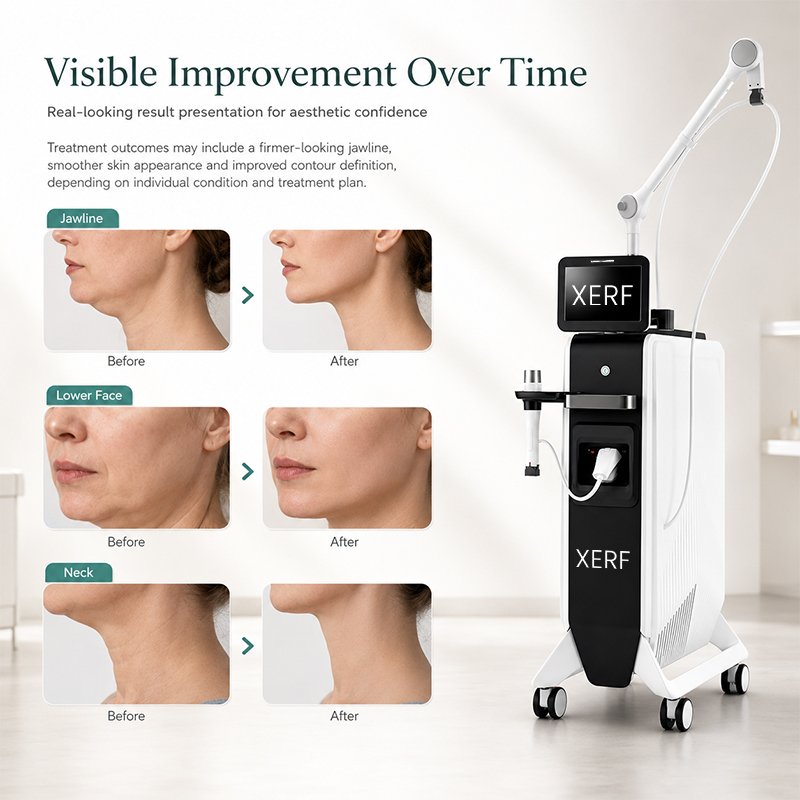
Jawline — Typically treated at the deep (4.5mm) setting to support contour definition along the mandibular line.
Double chin — Uses the larger 40 or 60 effector given the surface area involved, generally combined with the middle-to-deep depth range.
Neck — The 60 effector’s 20×30mm surface and 600-shot rating are specifically suited to the neck’s larger treatment area and typically thicker tissue.
Conventional monopolar RF electrodes often concentrate energy density unevenly across the contact surface, with higher intensity at the edges than the center — a known source of inconsistent results and localized discomfort in poorly designed systems. The XERF system’s spider-pattern electrode structure is engineered to spread energy delivery more evenly across the full contact area, reducing this edge-concentration effect. For clinics, this translates into more predictable, repeatable outcomes across different operators and sessions, since the electrode design itself compensates for some of the variability that would otherwise depend entirely on manual technique.
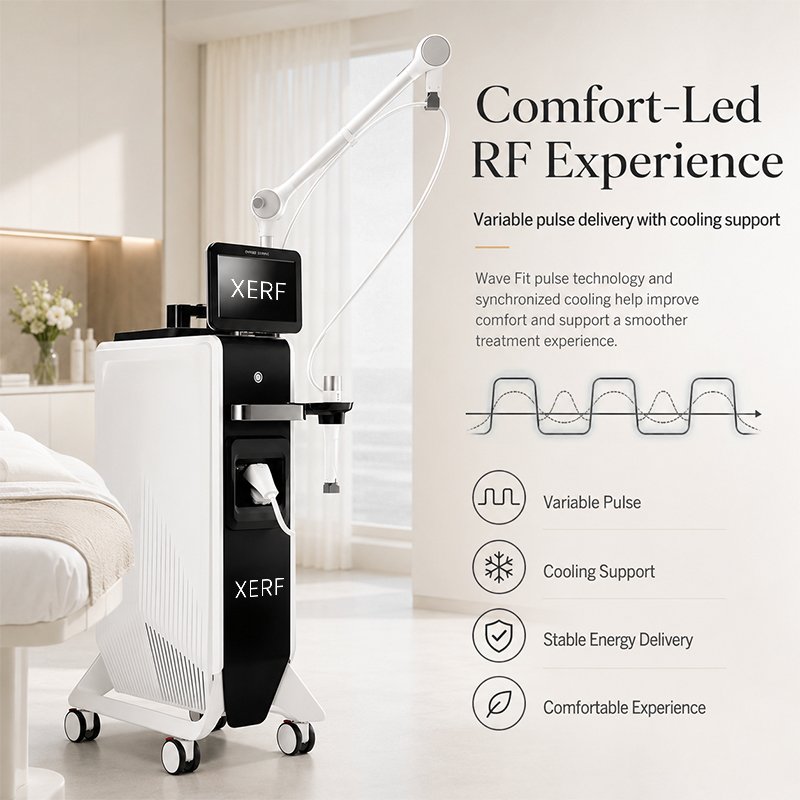
Alongside the dual-frequency RF delivery, the system incorporates Wave Fit variable pulse technology paired with synchronized cooling support. Rather than delivering RF energy as a constant, flat output, the pulse pattern varies during the session, which is designed to improve client comfort without reducing treatment efficacy. Synchronized cooling works alongside the pulse delivery to manage surface temperature during treatment, an important consideration given that monopolar RF, even at controlled depths, generates surface heat as a byproduct of reaching deeper tissue layers. This combination is particularly relevant for clinics treating sensitive areas like the eye region or corners of the mouth, where client tolerance for discomfort is generally lower.
| Specification | Detail |
|---|---|
| Core technology | Dual monopolar RF (MM: Monopole + Monopole) |
| RF frequencies | 6.78MHz + 2MHz |
| Penetration depths | 1.5mm / 3.0mm / 4.5mm (3-level selectable) |
| Electrode design | Spider-pattern, even energy distribution |
| Pulse technology | Wave Fit variable pulse + synchronized cooling |
| Effectors included | 4 (05: 5×10mm / 10: 10×10mm / 40: 20×20mm, 600 shots / 60: 20×30mm, 600 shots) |
| Treatment areas | Cheeks, eye area, corners of mouth, jawline, double chin, neck |
| Machine dimensions | 54 × 66 × 125.5cm |
| Machine weight | ~60kg |
| Voltage | AC 110V/230V compatible |
| Certifications | CE, FDA |
Premium aesthetic clinics positioning RF skin tightening as a signature service will find the 3-depth protocol and 4-effector system useful for building differentiated treatment packages — a clinic can market a “surface glow” protocol using the shallow setting and small effectors alongside a separate “contour and jawline” protocol using the deep setting and larger effectors, from the same machine.
Medical spas running high client volumes across varied treatment areas benefit from not needing to switch between separate single-purpose RF devices for facial versus neck work — the effector range and depth selection cover both within one system, which simplifies both equipment budgeting and treatment room logistics.
Distributors and beauty salons evaluating this category should note that the dual monopolar frequency combination is a genuine technical differentiator worth highlighting to clinic buyers comparing specification sheets, since many competing RF systems in this price range offer only a single fixed frequency or a bipolar configuration with more limited depth range. For more RF and skin care equipment options, see MNLT’s Skin Care Device category.
MNLT Laser has manufactured professional aesthetic equipment for 19 years, with CE and FDA certified production supplying more than 20,000 clients across 120+ countries. To request current specifications, factory-direct pricing, and lead times for the XERF Dual-Frequency Monopolar RF Skin Tightening System, contact the MNLT Laser team.

A trustworthy beauty equipment manufacturer